In a groundbreaking study published in BMC Genomics, researchers Xu, Wang, Zeng, and colleagues unveil significant findings related to body size and carcass yields in Shaoxing ducks through an extensive genome-wide association study (GWAS). This remarkable work opens a new chapter in the understanding of genetic influences on poultry traits, particularly in duck breeds that are crucial for both agricultural practices and culinary experiences in various cultures, especially in China.
The study focuses on the Shaoxing duck, a breed renowned for its size and meat quality. Researchers aimed to identify novel genetic loci responsible for traits associated with body size and carcass yield, addressing a key concern for poultry breeders who seek to enhance these economically important characteristics. The importance of body size in poultry extends beyond aesthetic appeal; it directly correlates with meat production efficiency and overall sustainability in poultry farming.
Utilizing a comprehensive GWAS approach, the research team analyzed a large cohort of Shaoxing ducks across multiple farms. The dataset included both phenotypic measurements and genomic data, providing a robust platform for elucidating genetic variants associated with the desired traits. The study employed advanced bioinformatics tools and statistical models to ensure the accuracy and reliability of results, navigating through the vast complexities of genomic data.
One of the significant outcomes of this research was the identification of several novel loci that had not previously been associated with body size and carcass yield. These findings challenge established paradigms in duck genetics and open avenues for more targeted breeding programs. The identified loci can serve as markers for selecting future generations of Shaoxing ducks, potentially leading to improvements in meat quality and production efficiency.
The implications of this research are multi-fold. For breeders, the ability to select for specific genetic markers associated with desirable traits means that the process of improving duck breeds can be accelerated. This targeted approach not only enhances productivity but also promises to reduce the environmental footprint of duck farming. As sustainable agricultural practices become increasingly essential in the face of global climate change and food insecurity, the insights from this study could play a pivotal role in shaping the future of poultry farming.
Furthermore, the study highlights the importance of genetic diversity within animal breeding programs. By exploring the genetic underpinnings of traits like body size and carcass yield, it becomes evident that maintaining a diverse gene pool is crucial. This diversity not only helps in the adaptation of breeds to changing environmental conditions but also contributes to the resilience of poultry populations against diseases, a critical factor in ensuring global food security.
Another interesting aspect of the study involves the potential application of these findings beyond the Shaoxing duck breed. The loci identified might be conserved across different poultry species, suggesting that the principles of genetic selection uncovered in this study could have broader applications in the poultry industry. Expanding the understanding of these genetic markers to other breeds could facilitate the enhancement of global poultry production strategies.
The research also opens a dialogue regarding ethical considerations in genetic selection. While the advancements in genetic research present myriad opportunities, they also raise questions about the long-term health and welfare of the animals involved. As breeders incorporate these new genetic markers into their programs, it is imperative that they consider the overall well-being of the ducks, ensuring that increases in productivity do not come at the expense of animal welfare.
In discussing the methodology, it is crucial to emphasize the rigorous nature of the data analysis employed by the researchers. Employing cutting-edge genomic technologies, such as high-throughput sequencing and advanced computational algorithms, they meticulously navigated potential confounding variables that could skew results. This level of detail not only strengthens the validity of their findings but also sets a new standard for future studies in animal genomics.
The researchers have made their data publicly available, promoting transparency and collaboration within the scientific community. By sharing their insights and raw data, they invite other scientists and breeders to engage with their findings, potentially validating and building upon their work. This practice encourages a culture of openness that is essential for accelerating advancements in agricultural biotechnology.
Despite the study’s optimistic findings, the researchers caution against a one-size-fits-all approach. Genetic improvement requires a nuanced understanding of local conditions, consumer preferences, and environmental considerations. The success of implementing these genetic insights into breeding programs will depend significantly on localized strategies that take into account the specificities of different farming systems.
Moreover, as the demand for poultry products continues to rise globally, integrating genetic advancements with traditional breeding practices becomes increasingly vital. By merging scientific insights with proven techniques developed through generations of husbandry, farmers can cultivate more resilient and productive animal populations. Such integration not only enhances food security but also supports the livelihoods of farmers who depend on poultry as a primary source of income.
Looking ahead, this study represents just the beginning of what could be a revolution in poultry genetics. As research in this field continues to advance, the prospect of tailoring livestock to meet both economic and environmental challenges grows ever more attainable. The collaboration among geneticists, breeders, and policymakers will be essential in translating these scientific advancements into real-world solutions that benefit both producers and consumers alike.
In conclusion, the research by Xu et al. stands as a testament to the power of genetics in enhancing agricultural practices. It demonstrates the profound implications of harnessing genomic data to address significant challenges in food production. As the agricultural landscape evolves, continuous exploration and application of these findings will be crucial in fostering a more sustainable and efficient future for poultry farming.
Subject of Research: Genetic loci associated with body size and carcass yields in Shaoxing ducks through genome-wide association study.
Article Title: Genome-wide association study reveals novel loci associated with body size and carcass yields in Shaoxing ducks.
Article References:
Xu, W., Wang, Z., Zeng, T. et al. Genome-wide association study reveals novel loci associated with body size and carcass yields in Shaoxing ducks. BMC Genomics (2025). https://doi.org/10.1186/s12864-025-12411-1
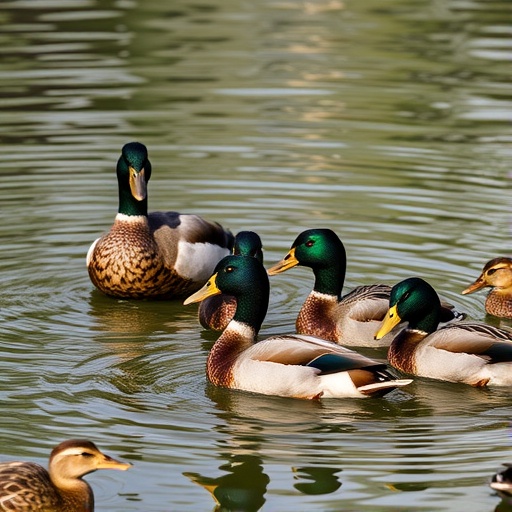
Image Credits: AI Generated
DOI:
Keywords: Genome-wide association study, Shaoxing duck, body size, carcass yield, genetic loci, poultry genetics.
Tags: advanced bioinformatics in geneticsagricultural genetics researchcarcass yield in duckseconomic traits in poultry farminggenetic loci in ducksgenome-wide association studymeat quality in poultryphenotypic measurements in duckspoultry body size traitspoultry breeding practicesShaoxing ducks geneticssustainable poultry farming