Breaking New Ground in Understanding Spontaneous Coronary Artery Dissection: Insights from the Serbian SCAD Registry
In a landmark presentation at the 2026 EAPCI Summit in Munich, Germany, researchers unveiled novel findings concerning spontaneous coronary artery dissection (SCAD), an enigmatic and catastrophic cause of myocardial infarction predominantly affecting young and otherwise healthy individuals. This cardiovascular emergency, long considered a rarity, is now gaining much-needed attention as medical professionals recognize its distinct pathology and clinical challenges. The European Association of Percutaneous Cardiovascular Interventions (EAPCI), a branch of the European Society of Cardiology (ESC), hosted the summit, emphasizing the urgency of advancing knowledge in this field.
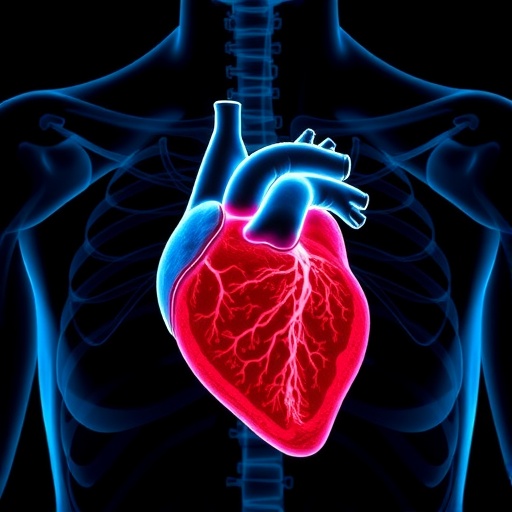
Spontaneous coronary artery dissection represents a sudden, non-traumatic tear in the coronary arterial wall, specifically the separation of the intimal layer from the media or adventitia. This defect allows blood to infiltrate between these layers, forming a false lumen or intramural hematoma, which can compress the true lumen and severely impede coronary blood flow. The resultant ischemia often culminates in an acute myocardial infarction, yet SCAD’s pathological mechanism diverges notably from the classic atherosclerotic occlusion frequently associated with heart attacks. This distinction raises fundamental questions about the most effective strategies for diagnosis and treatment.
The historical perception of SCAD as a rare disorder has been dismantled in recent years, with heightened awareness beginning to expose its prevalence, particularly in specific demographic groups. Women, often young, healthy, and presenting with few traditional cardiovascular risk factors, comprise the majority of SCAD patients. Nevertheless, despite increased recognition, SCAD remains grossly under-diagnosed and poorly understood, hindered by a paucity of randomized clinical trials to guide optimal management and therapeutic interventions.
Professor Svetlana Apostolović, leading the investigation from University Clinical Center Nis, Serbia, addressed these knowledge gaps by spearheading the establishment of a national prospective registry dedicated to SCAD. This registry aimed to illuminate the epidemiological patterns, therapeutic approaches, and clinical outcomes of SCAD patients within Eastern Europe, a region where data have historically been scarce and fragmented. Through meticulous patient enrollment and data collection, the study sought to discern unique regional characteristics and to challenge prevailing treatment paradigms.
Between November 2021 and November 2024, the Serbian SCAD Registry assembled data from 123 patients attending 14 interventional cardiology centers. The study cohort consisted of both retrospectively and prospectively analyzed individuals, with 27 patients reviewed retrospectively and 96 patients followed prospectively. Diagnostic confirmation of SCAD employed intracoronary imaging technologies—such as optical coherence tomography or intravascular ultrasound—in approximately one quarter of patients, underscoring the increasing reliance on advanced imaging modalities to detect subtle vascular dissections invisible to conventional angiography.
Demographically, the patient population exhibited a striking predominance of females (85.4%), with an average age of 47.5 years. Notably, 6.7% were either pregnant or in the postpartum period, while over one-third (36.2%) were menopausal. This distribution reinforces known associations between hormonal status and SCAD risk, suggesting a complex interplay of endocrine factors influencing vascular integrity. Traditional cardiovascular risk factors, including hypertension (49.6%) and dyslipidemia (46.3%), were common but not universal, hinting at the multifactorial and heterogeneous nature of the disease.
From a clinical management perspective, interventions varied substantially. Percutaneous coronary intervention (PCI)—entailing coronary stent placement—was performed in 41.5% of patients, with stents deployed in 28.5%. In contrast, the majority (58.5%) were managed with medical therapy alone, reflecting ongoing controversies over invasive versus conservative approaches. Medical management frequently involved dual antiplatelet therapy and low-molecular-weight heparin administration, which were utilized in more than half the cases. These therapeutic patterns reflect an evolving landscape where individualized care remains paramount.
Adverse events during hospitalization illuminated the precarious clinical course faced by SCAD patients. Nearly one-quarter (23.6%) experienced major adverse cardiovascular events (MACE), including recurrent myocardial infarction, hemodynamic instability, malignant arrhythmias, congestive heart failure, unplanned revascularization, or cerebrovascular incidents. The in-hospital mortality rate stood at 8.1%, highlighting the severity associated with SCAD presentations and the necessity for vigilant monitoring and supportive care.
The post-discharge period remained fraught with risk. Within 30 days of hospitalization, 18.1% of patients encountered MACE, while mortality dropped significantly to 0.8%, suggesting stabilization for many but persistent vulnerability in a subset. Statistical analyses identified stent implantation and a clinical history of depression as independent predictors of adverse outcomes, inviting consideration of both procedural risks and the impact of mental health on cardiovascular prognosis.
Encouragingly, imaging follow-up revealed full resolution of the arterial dissection in approximately 62.2% of patients after 30 days, reinforcing the notion that SCAD often heals spontaneously. This natural recovery trajectory challenges the routine application of stent implantation and points towards a paradigm favoring conservative management wherever feasible.
Professor Apostolović summarized these pivotal insights, emphasizing that SCAD predominantly affects non-pregnant young women and those undergoing menopause, with intracoronary imaging proving invaluable for precise diagnosis. Given the propensity for spontaneous healing, invasive interventions such as stent implantation do not seem globally advantageous. Instead, comprehensive clinical strategies encompassing beta-blockers, antihypertensive agents, structured cardiac rehabilitation, and psychological support may holistically improve patient outcomes and quality of life. Nevertheless, she underscored the imperative for further dedicated studies and randomized trials to conclusively determine best practices.
Looking ahead, the European Society of Cardiology is orchestrating a robust, multinational SCAD registry to broaden understanding across diverse populations. This initiative promises to refine epidemiological knowledge, elucidate clinical presentations, optimize management algorithms, and improve prognostic stratification, fulfilling the critical need for evidence-driven care in this complex cardiovascular entity.
As the cardiovascular community responds to these emerging insights, SCAD is finally shedding its mystique. By capturing its unique biology and clinical course, researchers and clinicians are poised to revolutionize its diagnosis and treatment, enhancing survival and restoring hope to patients frequently blindsided by sudden coronary catastrophes.
Subject of Research: Spontaneous Coronary Artery Dissection (SCAD) – epidemiology, diagnosis, treatment, and outcomes
Article Title: Breaking New Ground in Understanding Spontaneous Coronary Artery Dissection: Insights from the Serbian SCAD Registry
News Publication Date: 20 February 2026
Web References:
EAPCI Summit 2026
ESC SCAD Registry
References:
‘Breaking stereotypes: baseline features, treatment strategies, and 12-month outcomes in SCAD AMI patients: findings from the Serbian SCAD registry (SR SCAD)’, Presented at the EAPCI Summit 2026.
Adlam D, Alfonso F, Maas A, et al. European Society of Cardiology, Acute Cardiovascular Care Association, SCAD study group: a position paper on spontaneous coronary artery dissection. Eur Heart J. 2018;39:3353–3368.
Keywords:
Spontaneous Coronary Artery Dissection, SCAD, Myocardial Infarction, Coronary Artery Dissection, Cardiovascular Disease, Percutaneous Coronary Intervention, Intracoronary Imaging, Cardiac Rehabilitation, Beta-blockers, Women’s Health, European Society of Cardiology, Registry Study
Tags: advances in SCAD treatment strategiescardiovascular emergencies in healthy adultscoronary artery tear pathologyEAPCI Summit 2026 cardiovascular findingsEuropean Society of Cardiology SCAD studiesintramural hematoma in coronary arteriesmyocardial infarction causes beyond atherosclerosisnon-atherosclerotic heart attack mechanismsSCAD diagnosis challengesSCAD in young womensignificance of the Serbian SCAD Registryspontaneous coronary artery dissection research