

• HOME
  • NEWS
  • EXPLORE
    • CAREER
      • Companies
      • Jobs
    • EVENTS
    • iGEM
      • News
      • Team
    • PHOTOS
    • VIDEO
    • WIKI
  • BLOG
  • COMMUNITY
    • FACEBOOK
    • INSTAGRAM
    • TWITTER
Tuesday, December 16, 2025
BIOENGINEER.ORG
No Result
View All Result
  • Login
  • HOME
  • NEWS
  • EXPLORE
    • CAREER
      • Companies
      • Jobs
        • Lecturer
        • PhD Studentship
        • Postdoc
        • Research Assistant
    • EVENTS
    • iGEM
      • News
      • Team
    • PHOTOS
    • VIDEO
    • WIKI
  • BLOG
  • COMMUNITY
    • FACEBOOK
    • INSTAGRAM
    • TWITTER
  • HOME
  • NEWS
  • EXPLORE
    • CAREER
      • Companies
      • Jobs
        • Lecturer
        • PhD Studentship
        • Postdoc
        • Research Assistant
    • EVENTS
    • iGEM
      • News
      • Team
    • PHOTOS
    • VIDEO
    • WIKI
  • BLOG
  • COMMUNITY
    • FACEBOOK
    • INSTAGRAM
    • TWITTER
No Result
View All Result
Bioengineer.org
No Result
View All Result
Home Headlines

New book provides guide to evidence-based practices in addiction…

Bioengineer.org by Bioengineer.org
January 31, 2018
in Headlines, Health, Science News
Reading Time: 2 mins read
0
Share on FacebookShare on TwitterShare on LinkedinShare on RedditShare on Telegram
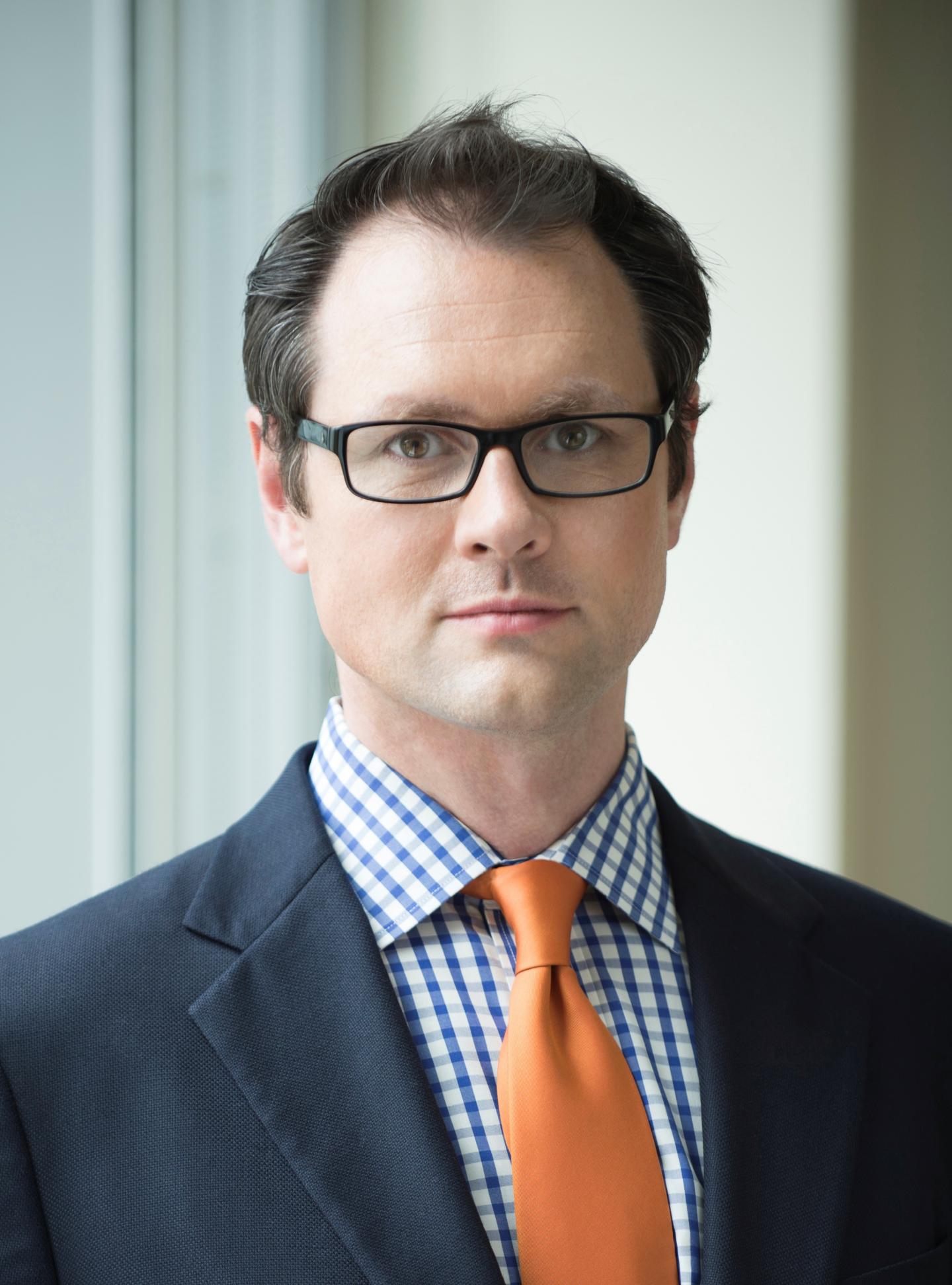
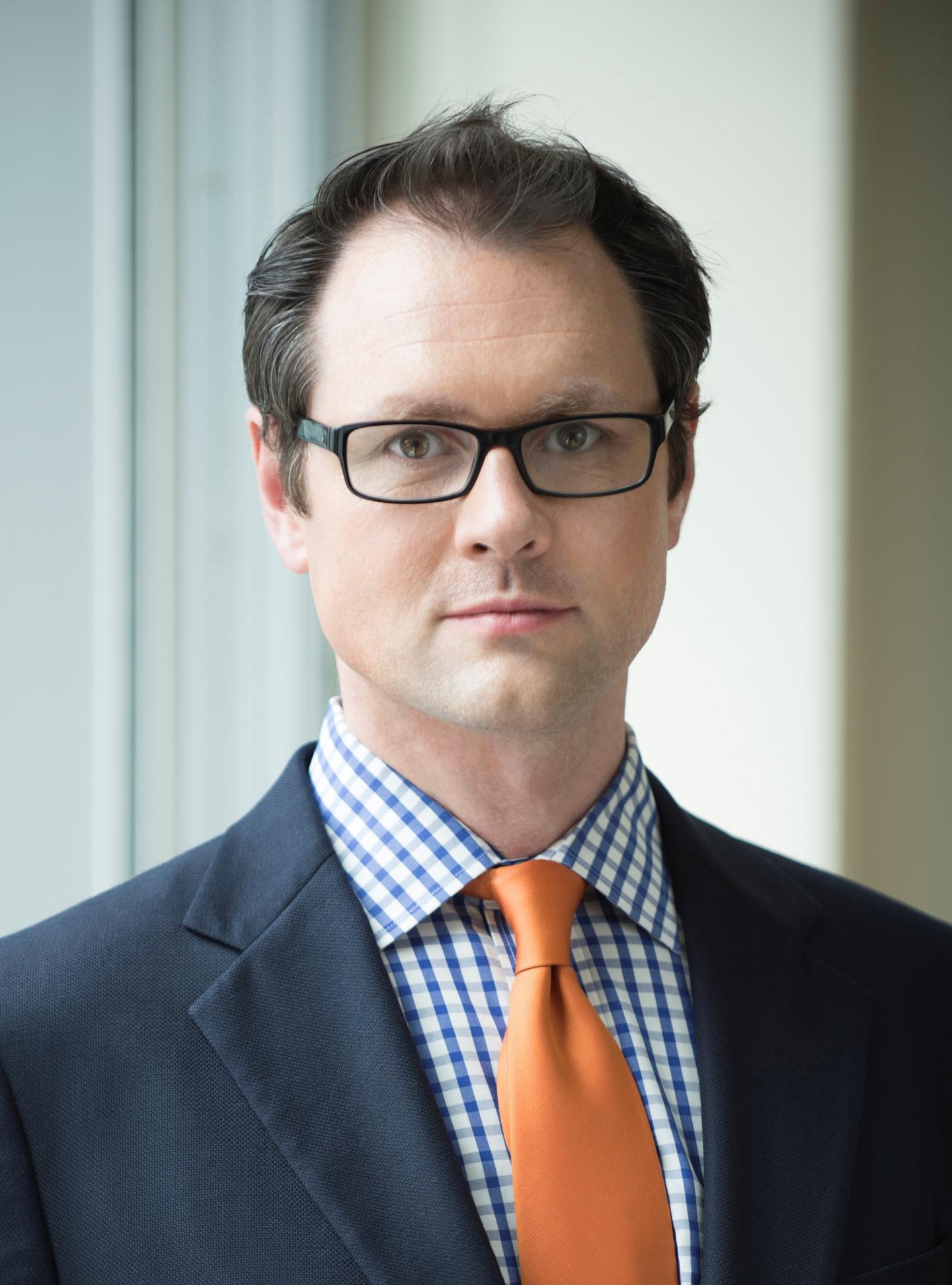
IMAGE

Credit: McMaster University

Hamilton, ON (July 10, 2017) – A new book will provide a definitive guide to the findings from cutting-edge clinical research on addiction to front-line clinicians.

Published by Routledge, Integrating Psychological and Pharmacological Treatments for Addictive Disorders is now available worldwide.

"There is no silver bullet for treating addiction, but there are many treatments that have strong evidence behind them and give patients the best possible chance for success," says James MacKillop, director of the Peter Boris Centre for Addictions Research at McMaster University and St. Joseph's Healthcare Hamilton. He is the lead editor of four clinical researchers to co-edit the book.

MacKillop is also a professor of psychiatry and behavioural neurosciences for McMaster's Michael G. DeGroote School of Medicine. International contributors to the volume include scholars from McMaster University, St. Joseph's Healthcare Hamilton, Harvard Medical School, Stanford University, the University of Chicago, Brown University, the University of Cambridge, the University of California Los Angeles, and the University of Toronto.

"The gap between evidence and practice is particularly pronounced when it comes to treatment for addictions," says MacKillop.

"We hope this book gives the many types of addiction treatment providers – physicians, psychologists, nurses, social workers, and other professionals – a comprehensive look at what the evidence says works best."

He said formal treatment for addiction is a relatively new field of practice, and therefore many clinicians receive little training in this area. He added that the book is designed to address that gap, providing concise chapters that balance breadth and depth.

The book reviews the strategies that have the most evidence behind them.

"We wanted to create a go-to reference to put the best practices in treatment at clinicians' fingertips," MacKillop says.

###

The book is available at: https://www.routledge.com/Integrating-Psychological-and-Pharmacological-Treatments-for-Addictive/MacKillop-Kenna-Leggio-Ray/p/book/9781138919105

Introductory chapters provide overviews of the epidemiology of addiction, its causes, and a general perspective on treatment – individual chapters focus on specific substances such as alcohol, tobacco, opioids, and stimulants – and also address the behavioural addiction of gambling disorder. The final chapter addresses strategies for treating addiction in primary care.

MacKillop says one key theme is that combining both psychological and pharmacological treatments is often the best course of action. In addition, the book highlights certain treatments which have been shown to be effective but are often under-utilized, such as medications like naltrexone and psychological approaches like intensive behavioural therapies.

Media Contact

Tina Depko
[email protected]
905-525-9140 x22196
@mcmasteru
Home

Share13Tweet8Share2ShareShareShare2

Related Posts

Improving Discharge Medicine Communication for Safer Care

December 16, 2025

Chemotherapy Alters Gut, Boosts Cancer Metastasis Defense

December 16, 2025

Enhancing Preterm Infant Brain and Body Development

December 16, 2025

Pre-Processing Techniques Enhance Deep Learning Breast Image Segmentation

December 16, 2025
Please login to join discussion

POPULAR NEWS

  • Scientists Uncover Chameleon’s Telephone-Cord-Like Optic Nerves, A Feature Missed by Aristotle and Newton

    Scientists Uncover Chameleon’s Telephone-Cord-Like Optic Nerves, A Feature Missed by Aristotle and Newton

    122 shares
    Share 49 Tweet 31
  • Nurses’ Views on Online Learning: Effects on Performance

    69 shares
    Share 28 Tweet 17
  • NSF funds machine-learning research at UNO and UNL to study energy requirements of walking in older adults

    70 shares
    Share 28 Tweet 18
  • MoCK2 Kinase Shapes Mitochondrial Dynamics in Rice Fungal Pathogen

    71 shares
    Share 28 Tweet 18

About

We bring you the latest biotechnology news from best research centers and universities around the world. Check our website.

Follow us

Recent News

Improving Discharge Medicine Communication for Safer Care

Chemotherapy Alters Gut, Boosts Cancer Metastasis Defense

Enhancing Preterm Infant Brain and Body Development

Subscribe to Blog via Email

Enter your email address to subscribe to this blog and receive notifications of new posts by email.

Join 70 other subscribers
  • Contact Us

Bioengineer.org © Copyright 2023 All Rights Reserved.

Welcome Back!

Login to your account below

Forgotten Password?

Retrieve your password

Please enter your username or email address to reset your password.

Log In
No Result
View All Result
  • Homepages
    • Home Page 1
    • Home Page 2
  • News
  • National
  • Business
  • Health
  • Lifestyle
  • Science

Bioengineer.org © Copyright 2023 All Rights Reserved.

