In a groundbreaking study, researchers have shed light on how cultured human neurons undergo significant structural and molecular differentiation, revealing crucial insights into their spontaneous and evoked calcium dynamics. This work, published in the journal Scientific Reports, highlights the intricate processes governing neuronal behavior and could pave the way for advancements in neurobiology and neurodegenerative disease research.
Neurons, the fundamental units of the brain and nervous system, exhibit diverse forms and functions crucial for processing information. Understanding the nuances of how these cells differentiate when cultured offers a fascinating glimpse into their developmental biology. In this research, scientists explored the molecular underpinnings of neuronal differentiation, focusing on how these changes affect calcium signaling—a critical component for neuronal excitability and communication.
The team, led by Negi and involving Shorter and Goodhall, meticulously approached their research by utilizing advanced imaging techniques and biophysical assays. Their goal was to quantify changes in calcium dynamics as neurons transitioned from an undifferentiated state to a more mature and structurally complex form. This differentiation is not only a testament to the neuron’s adaptability but also an essential aspect of their functionality in neural circuitry.
Calcium ions play a pivotal role in various cellular processes, particularly in neurons where they regulate neurotransmitter release, action potential generation, and overall synaptic efficacy. The researchers conducted experiments to monitor intracellular calcium levels, revealing that differentiation triggers profound alterations in calcium homeostasis. This finding suggests that as neurons mature, their ability to regulate calcium becomes fine-tuned, ultimately influencing their performance in neural networks.
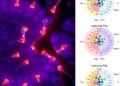
The study unveiled that spontaneous calcium transients—small fluctuations in intracellular calcium concentrations—were significantly altered during the differentiation process. In immature neurons, calcium signaling appeared erratic and unpredictable. However, as the neurons matured, these spontaneous events became synchronized, indicating a more robust and coordinated calcium signaling mechanism. This change is vital for enhancing the neurons’ response to stimuli and ensuring efficient information processing.
Moreover, the research team discovered that evoked calcium responses, triggered by external stimuli such as synaptic activity, also transformed during neuronal maturation. Young neurons displayed a low threshold for activation, resulting in diminished calcium influx. As neurons differentiated, the threshold for these evoked responses shifted, enabling a more potent calcium response to synaptic signaling. This maturation could suggest a mechanism for the increased computational capacity of neural circuitry as it develops.
Additionally, the researchers identified specific signaling pathways that were upregulated during the differentiation of cultured human neurons. Molecules such as brain-derived neurotrophic factor (BDNF) and calcium/calmodulin-dependent protein kinase (CaMK) were notably involved in orchestrating the differentiation and maturation processes. These findings not only illuminate the complexity of neuronal development but also provide potential targets for therapeutic interventions in neurodegenerative diseases.
The implications of these findings are far-reaching. Understanding how cultured human neurons differentiate allows scientists to create better models for studying neurodegenerative conditions, where calcium dynamics are often disrupted. It opens avenues for exploring regenerative medicine and cell replacement therapies, as harnessing the ability to manipulate neuronal differentiation could lead to novel treatments for conditions such as Alzheimer’s and Parkinson’s disease.
As the field of neuroscience continues to evolve, this research serves as a critical piece of the puzzle in comprehending neuronal behavior. The precise methodologies employed—combining high-resolution imaging with rigorous biochemical analysis—demonstrate a forward-thinking approach that underscores the importance of interdisciplinary strategies in tackling complex biological questions.
In conclusion, the study by Negi et al. adds valuable insight into how human neurons evolve from a simplistic state to a complex, fully differentiated entity, marked by significant changes in calcium dynamics. This advancement not only enriches our understanding of neuronal biology but also fortifies the foundation for future research aimed at unraveling the mysteries of the nervous system, with the hope of addressing pressing health challenges posed by neural disorders.
The findings reported in this research catalyze a renewed interest in neuronal characterization and underscore the necessity of further investigations into the molecular mechanisms governing neuronal development and function. As many questions remain unanswered, the scientific community is encouraged to build upon these discoveries, fostering collaborations that can lead to innovative therapies and enrich our understanding of brain health.
The pathway forward appears promising, as advancements in neurobiology intertwine with technology and clinical applications. This synergy could usher in a new era of treatment for debilitating neurological conditions, harnessing the knowledge gained from studies such as this to formulate strategies for repair and regeneration in the central nervous system.
Each finding from this study serves as a stepping stone towards a greater understanding not only of how neurons function but also of how they might be harnessed for therapeutic impact. The future indeed looks hopeful, driven by the aspirations of researchers dedicated to unraveling the complexities of brain function and neurobiology, united in their mission to improve lives through scientific innovation.
Subject of Research: Structural and molecular differentiation of cultured human neurons
Article Title: Correction: Structural and molecular differentiation of cultured human neurons is accompanied by alterations of spontaneous and evoked calcium dynamics.
Article References:
Negi, D., Shorter, S., Goodhall, I. et al. Correction: Structural and molecular differentiation of cultured human neurons is accompanied by alterations of spontaneous and evoked calcium dynamics.
Sci Rep 15, 44022 (2025). https://doi.org/10.1038/s41598-025-32643-1
Image Credits: AI Generated
DOI: 10.1038/s41598-025-32643-1
Keywords: neuronal differentiation, calcium dynamics, human neurons, neurobiology, neurodegenerative diseases, brain-derived neurotrophic factor, calcium/calmodulin-dependent protein kinase, regenerative medicine.
Tags: biophysical assays for neuronscalcium dynamics in neuronscalcium signaling mechanismscultured human neurons researchdevelopmental biology of neuronsimaging techniques in neuroscienceneurobiology advancementsneurodegenerative disease insightsneuronal differentiation processesneuronal excitability and communicationneuronal structure changestructural complexity in neural circuits