In a groundbreaking advance that promises to reshape our understanding of adolescent sleep patterns, a team led by Chen, Li, Zhao, and colleagues has unveiled a comprehensive neuroimaging study that categorizes adolescent sleep insufficiency into distinct subtypes. Published in Nature Communications in 2026, this extensive research not only differentiates natural short sleepers from those whose sleep deficits arise due to comorbid conditions or environmental pressures but also sheds light on the underlying neural architectures that govern these variations. This pioneering work has profound implications, opening new horizons for personalized interventions that could transform how sleep disorders are diagnosed and treated in young populations worldwide.
Sleep insufficiency among adolescents has long been recognized as a public health concern, with extensive ramifications ranging from cognitive impairment to increased risk of psychiatric disorders. What has eluded researchers until now is a nuanced understanding of why certain individuals sustain short sleep durations without apparent negative consequences, while others exhibit pronounced dysfunctions. The study by Chen et al. addresses this enigma by deploying cutting-edge neuroimaging techniques to stratify adolescent sleep insufficiency into biologically and clinically meaningful clusters, effectively disentangling natural variation from pathology.
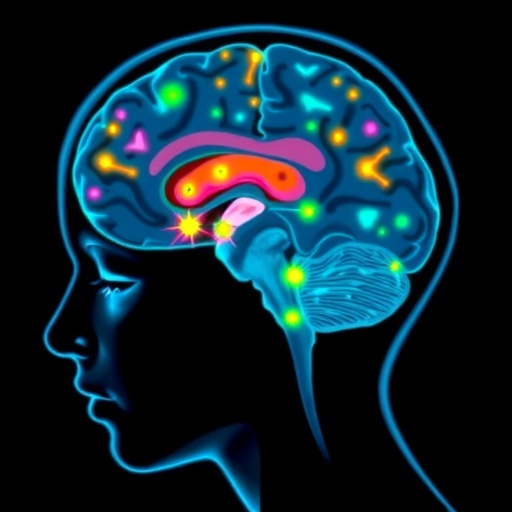
The researchers utilized multimodal magnetic resonance imaging (MRI) approaches, including functional MRI (fMRI), diffusion tensor imaging (DTI), and volumetric analyses, to probe the brain’s structural and functional signatures associated with insufficient sleep across a sizeable adolescent cohort. This methodology allowed for the mapping of both macro and microstructural brain differences, as well as the examination of connectivity patterns within key neural networks that regulate sleep-wake cycles, cognitive control, and emotional regulation. Through sophisticated machine learning algorithms, the team identified discrete neuroimaging profiles that correlate with distinct subtypes of sleep insufficiency.
Key among these subtypes were natural short sleepers, a group who inherently require less sleep without cognitive or health detriments. These individuals demonstrated unique neuroanatomical features, such as increased integrity in fronto-parietal white matter tracts and heightened functional connectivity in executive control circuits, compared to typical sleepers. Conversely, adolescents suffering from environment-driven sleep insufficiency exhibited altered activity within the default mode network and diminished grey matter volumes in limbic regions, areas implicated in emotional processing and stress responsiveness. This distinction is critical as it suggests environmental factors induce neuroplastic changes that may predispose to longer-term adverse effects.
Furthermore, the study identified a subset of adolescents whose sleep insufficiency was linked with comorbid psychiatric or medical conditions, including anxiety, depression, or metabolic disturbances. These individuals showed reduced connectivity between the prefrontal cortex and subcortical areas, supporting theories that sleep disruption in these contexts exacerbates neural dysfunction. Such findings underscore the need for integrated clinical assessments that incorporate neuroimaging biomarkers to tailor therapeutic strategies uniquely to each subtype rather than applying a one-size-fits-all approach.
Another compelling aspect of Chen et al.’s work is the exploration of sleep insufficiency through a developmental lens. Adolescence is a critical period characterized by profound brain maturation and plasticity, which this study shows interacts dynamically with sleep patterns. The cross-sectional data revealed that certain neural adaptations observed in natural short sleepers likely represent developmental optimization, while maladaptive alterations in other groups hint at vulnerabilities amplified by insufficient sleep. These insights carry major implications for interventions, possibly advocating for age-specific treatment modalities that consider neurodevelopmental status.
Intriguingly, the authors also examined the potential impact of circadian rhythm variations and chronotype differences, which added another layer of complexity to the neural signatures identified. Natural short sleepers tended to align with early chronotypes displaying flexible circadian timing, whereas environmental insufficiency correlated with circadian misalignment due to social and academic pressures. This comprehensive approach acknowledges the multifaceted nature of sleep regulation, integrating biological and environmental frameworks to better elucidate adolescent sleep health.
The neurobiological stratification advanced by this research could revolutionize how clinicians approach sleep insufficiency diagnosis in adolescents. By moving beyond self-reported sleep durations and conventional polysomnography assessments, incorporation of neuroimaging biomarkers offers a window into the brain’s response to sleep patterns, enabling precision medicine approaches. Such tools could guide the development of targeted cognitive-behavioral therapies, pharmacological treatments, or lifestyle interventions with higher efficacy and fewer side effects tailored to the specific subtype and underlying neural basis.
Moreover, this work has substantial public health significance. With global adolescent sleep insufficiency rising amid increasing academic demands, social media use, and lifestyle shifts, identifying at-risk subgroups early facilitates preventive measures that could curb the trajectory toward chronic sleep disorders and associated psychiatric morbidity. Education systems and policymakers stand to benefit from insights derived from this study, which highlight the urgent need to consider the neurobiological consequences of imposed sleep restrictions and environmental stressors on youth.
The authors also discuss potential avenues for future research, including longitudinal studies to track the evolution of these neuroimaging phenotypes over time and their response to therapeutic interventions. Unraveling the causal relationships between sleep insufficiency subtypes and neurodevelopmental outcomes will be critical for designing effective longitudinal monitoring strategies and personalized care plans that mitigate long-term consequences such as cognitive decline, mood disorders, and metabolic syndromes.
In addition to its clinical and public health applications, this study exemplifies the power of integrating advanced neuroimaging modalities with computational neuroscience to address complex behavioral health challenges. The analytical framework employed by Chen et al., harnessing machine learning to parse subtle brain pattern differences, sets a new standard for future investigations into sleep and related neurological disorders. This interdisciplinary model leverages data-driven insights reflecting the intricate interplay of biology, behavior, and environment during adolescence.
Critically, the research team made efforts to ensure the generalizability of their findings by including a diverse sample population that spans various socioeconomic and ethnic backgrounds. Such inclusivity advances our understanding of how variability in social determinants intersects with neural substrates of sleep insufficiency. This holistic perspective is essential for developing culturally sensitive interventions that address disparities in sleep health and access to care.
The implications of this work extend beyond adolescence, offering a template for understanding sleep insufficiency across the lifespan. The paradigm of delineating natural versus pathological short sleep subtypes via neuroimaging biomarkers could inform assessments in adults and elderly populations, where sleep disturbances often coincide with neurological disorders such as Alzheimer’s disease and depression. Thus, the translational potential of this research is significant.
As society continues to grapple with the increasingly prevalent issue of inadequate sleep, particularly among youth, studies like that of Chen et al. provide hope for more precise, effective, and personalized solutions. The detailed neural maps and subtype classifications developed herein represent a major leap forward in disentangling the complex neurobiology of adolescent sleep insufficiency. Moving from descriptive epidemiology toward mechanistic insights and targeted clinical strategies marks a transformative step in sleep medicine and adolescent neuroscience.
In conclusion, the 2026 Nature Communications publication by Chen, Li, Zhao, and colleagues stands as a landmark in the neuroscience of adolescent sleep. By unveiling distinct neuroimaging subtypes that differentiate natural short sleepers from those impacted by comorbid conditions or environmental factors, it opens the door for revolutionary treatment approaches grounded in brain biology. This study not only enriches scientific knowledge but also holds the promise of enhancing the health, cognition, and well-being of future generations coping with the modern era’s relentless challenges to sleep.
Subject of Research: Neuroimaging characterization of adolescent sleep insufficiency subtypes
Article Title: Neuroimaging subtypes of adolescent sleep insufficiency stratify natural short sleepers from comorbidity or environment driven insufficiency
Article References:
Chen, Y., Li, M., Zhao, Z. et al. Neuroimaging subtypes of adolescent sleep insufficiency stratify natural short sleepers from comorbidity or environment driven insufficiency. Nat Commun (2026). https://doi.org/10.1038/s41467-026-70135-6
Image Credits: AI Generated
Tags: adolescent cognitive impairment sleep lossadolescent sleep disorder diagnosisadolescent sleep insufficiency subtypesenvironmental impacts on teen sleepfunctional MRI adolescent sleepMRI in sleep researchmultimodal MRI sleep studiesnatural short sleepers vs pathological sleepneural mechanisms of sleep insufficiencyneuroimaging adolescent sleep patternspersonalized sleep disorder interventionspsychiatric risks of teen sleep deprivation