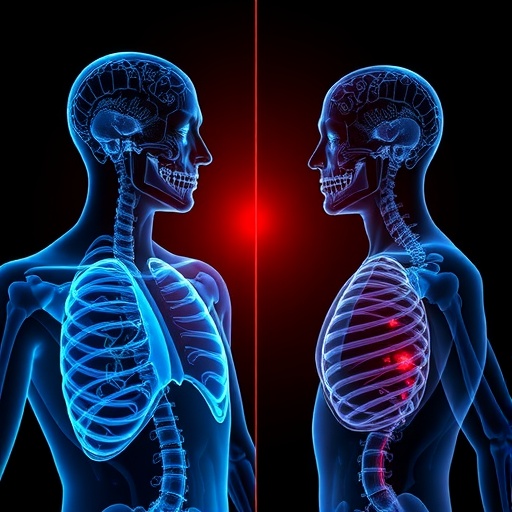
A recent cross-sectional study published in JAMA Network Open has unveiled compelling evidence linking former American football participation with persistent cognitive and neuropsychiatric impairments later in life. As the sport continues to captivate millions, these findings present sobering insights into the long-term neurological toll experienced by athletes who have dedicated years to the game. The research not only strengthens the understanding of football-related brain injuries but also highlights a dose-response relationship, underscoring the cumulative risk associated with the intensity and duration of play.
The study meticulously assessed a diverse cohort of former American football players, employing rigorous neuropsychological testing and clinical evaluations to measure cognitive function and psychiatric symptoms. Participants demonstrated a clear trend: those with extended exposure to football, particularly at higher levels of competition, exhibited significantly diminished cognitive capacities alongside increased neuropsychiatric disturbances when compared to non-players. This stratified gradient of neurological decline emphasizes the profound impact of repetitive head trauma encountered during the sport.
Central to the study’s findings is the dose-response association, which indicates that both the number of years played and the competitive level bear a direct correlation to the severity of neurocognitive and neuropsychiatric abnormalities observed. This nuanced understanding challenges previous assumptions that only severe concussive events contribute to long-term brain injury, illustrating that the cumulative effect of sub-concussive impacts also plays a crucial role. These results bear considerable implications for clinical risk assessment and the development of tailored intervention strategies for former athletes.
Neuropsychological impairments identified in the study included deficits in memory retention, executive function, processing speed, and attention span. Complementing these cognitive deficits, many former players exhibited elevated levels of depression, anxiety, and mood dysregulation, suggesting a complex interplay between neurological injury and psychiatric outcomes. This dual burden of cognitive and emotional dysfunction underscores the urgent need for comprehensive evaluation protocols that incorporate both domains for this population.
The underlying neuropathological mechanisms implicated in these findings revolve around repeated traumatic brain injury (TBI) and chronic neuroinflammation, which are known to provoke progressive neurodegeneration. Microscopic examination in related studies frequently reveals the accumulation of tau protein and other abnormal protein aggregates that disrupt neural connectivity and synaptic integrity. Although this research did not involve postmortem neuropathological analysis, the clinical characteristics observed align with those typically attributed to chronic traumatic encephalopathy (CTE), a devastating neurodegenerative condition linked to contact sports.
In addition to cognitive and psychiatric sequelae, the research acknowledges that former players may also experience physical manifestations potentially linked to neurological dysfunction, including motor impairment and autonomic dysregulation. These symptoms, while less frequently reported, represent additional facets of the multifaceted consequences associated with repetitive brain trauma. Future longitudinal studies are encouraged to delineate these associations more clearly and identify potential biomarkers predictive of clinical decline.
The study’s robust methodology incorporated a comprehensive battery of neurocognitive tests alongside standardized psychiatric inventories, ensuring that the captured data reflects a broad spectrum of neurological health. Researchers carefully controlled for confounding variables such as age, education, and comorbidities to isolate the specific influence of football participation. This methodological rigor enhances the credibility of the dose-response association, reinforcing the validity of the observed clinical trends.
Importantly, the findings carry significant implications for sports medicine practitioners, neurologists, and mental health professionals tasked with managing the health of current and former athletes. Clinicians can utilize this evidence to better inform risk-benefit discussions with players contemplating prolonged competitive involvement and to guide post-care monitoring protocols. Early detection of at-risk individuals might facilitate timely interventions that could potentially mitigate or slow the progression of cognitive and psychiatric impairment.
The research contributes to a growing body of literature advocating for policy reforms and enhanced safety measures within contact sports. These include the adoption of improved helmet technology, rule modifications to limit head impacts, and the implementation of return-to-play protocols informed by neuropsychological testing. By elucidating the long-term consequences associated with football participation, the study fuels ongoing debates about the balance between athlete safety and the cultural valuation of high-impact sports.
While the study provides critical insights, it also acknowledges limitations intrinsic to its cross-sectional design. Causality cannot be definitively established, and the potential for recall bias in self-reported playing history exists. Additionally, the sample may not fully represent all demographic strata inherent to football players, limiting generalizability. Nonetheless, the dose-dependent association observed lays a strong foundation for subsequent prospective, longitudinal investigations.
As awareness of sports-related brain injuries expands among the public and medical communities, research like this underscores the urgency of integrating neuroscientific findings with sports policy and player education. Enhancing multidisciplinary collaboration between neuroscientists, clinicians, and sports governing bodies will be pivotal in crafting effective prevention and treatment strategies. The ultimate goal remains to safeguard athlete health while preserving the integrity and enjoyment of sport.
In summary, this pivotal study from JAMA Network Open elevates our understanding of the neurocognitive and neuropsychiatric risks associated with former American football participation. Its demonstration of a clear dose-response relationship emphasizes that the cumulative nature of brain trauma in contact sports warrants serious consideration. The evidence invites a paradigm shift, advocating for enhanced clinical vigilance, informed policymaking, and continued research aimed at mitigating the long-term sequelae of repetitive head injury in athletes.
Subject of Research:
Cognitive and Neuropsychiatric Effects of Former American Football Participation
Article Title:
Not provided
News Publication Date:
Not provided
Web References:
https://jamanetwork.com/journals/jamanetworkopen/fullarticle/10.1001/jamanetworkopen.2025.60077
References:
Not provided
Image Credits:
Not provided
Keywords:
Cognition, Psychiatric disorders, Sports medicine, Symptomatology, Neurology, Risk factors
Tags: chronic traumatic encephalopathy risk in footballcognitive decline due to repetitive head traumacross-sectional studies on athlete brain healthdose-response relationship in sports-related brain injuriesimpact of duration and intensity of football on mental healthlong-term effects of American football on brain healthmental health challengesneurocognitive impairments in retired football playersneurological consequences of competitive footballneuropsychiatric disorders in former athletesneuropsychological testing in retired football playerspsychiatric symptoms linked to contact sports