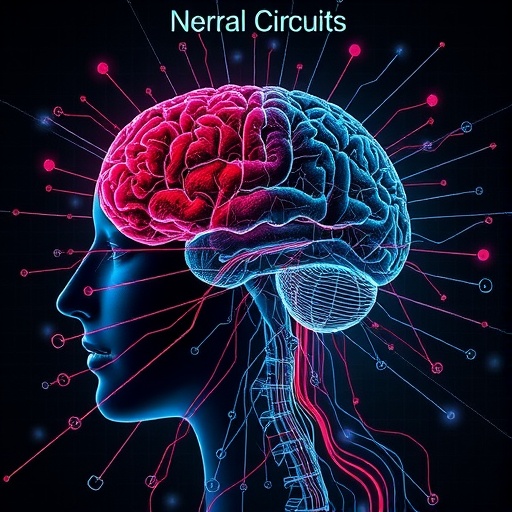
Recent advancements in neuroscience have unveiled intriguing insights into how the human brain processes auditory stimuli, particularly sounds that elicit either pleasure or displeasure. A groundbreaking study conducted by F.M. Aldhafeeri explores the neural circuits that differentiate between pleasant and unpleasant sounds through advanced functional Magnetic Resonance Imaging (fMRI) techniques. This research not only broadens our understanding of auditory perception but also raises significant implications for various fields, including psychology, music therapy, and emotional well-being.
The human brain is an intricately woven network of neural circuits, constantly firing in response to an array of sensory stimuli. Sound, as one of our most significant senses, plays a critical role in emotional regulation and social interaction. Understanding how our brain interprets the emotional quality of sounds is pivotal. Aldhafeeri’s study employs fMRI to analyze brain activity in response to different auditory stimuli, providing a window into the underlying neural architecture involved in sound processing.
One of the core findings of Aldhafeeri’s research is the differentiation between pleasant and unpleasant auditory stimuli at the neural level. The study identifies specific brain regions that are significantly activated when participants listen to sounds categorized as pleasant—for instance, the sound of a loved one’s voice or a melodic song—compared to unpleasant sounds like nails scraping against a chalkboard. This neural differentiation not only heightens our appreciation of the brain’s complexity but also underscores the emotional weight sounds carry in our everyday lives.
Additionally, the study highlights the importance of the amygdala, a region traditionally associated with emotion processing. Aldhafeeri observed that the amygdala exhibited heightened activity in response to unpleasant sounds, suggesting its role as an amplification center for negative auditory experiences. Conversely, brain areas linked to reward processing, such as the ventral striatum, were more engaged when participants encountered pleasant sounds. This duality illuminates the contrasting pathways the brain employs to evaluate auditory stimuli.
Moreover, Aldhafeeri’s work signifies a critical leap in understanding the biochemical underpinnings of auditory processing. The research hints at the release of neurotransmitters like dopamine in response to pleasant sounds, which reinforces the rewarding nature of such stimuli. This finding has profound implications, especially in fields like music therapy, where understanding the brain’s response to auditory stimuli can aid in designing effective therapeutic interventions.
The implications of this research extend far beyond the laboratory; they touch our daily experiences. The way people select music to elevate their mood or seek silence in moments of stress can now be understood through the lens of neuroscience. With a clearer idea of how the brain reacts to different sounds, individuals may be empowered to make more informed choices about their auditory environments, enhancing overall well-being.
Another fascinating aspect of this study is its potential applicability in clinical settings. Understanding how neural circuits react to auditory stimuli can pave the way for innovative treatments for conditions such as anxiety disorders or depression. For instance, incorporating pleasant auditory experiences into treatment regimens may facilitate emotional healing, taking advantage of the brain’s natural reward pathways.
Crucially, Aldhafeeri’s research also prompts discussions on the societal implications of sound design. As urban environments become increasingly noise-polluted, understanding the impact of unpleasant sounds on mental health and cognitive functioning is essential. Policymakers and urban planners may need to consider the psychological effects of soundscapes in their designs to foster healthier communities.
In conclusion, the study of auditory processing by F.M. Aldhafeeri marks a significant milestone in neuroscience. The identification of distinct neural circuits responsible for processing pleasant and unpleasant sounds unveils the brain’s remarkable ability to evaluate complex auditory stimuli. This research not only enhances our understanding of the emotional connections we have with sound but also informs broader fields ranging from therapy to urban planning.
As we continue to explore the intricate relationship between sound and the human experience, the findings of Aldhafeeri’s study serve as a reminder of the profound impact auditory stimuli have on our emotions daily. The brain’s ever-responsive nature to sound reinforces the importance of seeking out pleasant auditory experiences; in a world that can often feel chaotic and overwhelming, the gentle power of sound may offer a refuge.
Ultimately, Aldhafeeri’s insights underscore the complexity and elegance of the brain’s audio-perceptual mechanisms, revealing new layers of our cognitive and emotional interactions with the world around us. As research in this domain advances, we can anticipate even more nuanced understandings of how sound influences our lives and well-being.
Subject of Research: Distinct neural circuits processing pleasant and unpleasant sounds
Article Title: Distinct neural circuits processing pleasant and unpleasant sounds: an fMRI-based approach
Article References:
Aldhafeeri, F.M. Distinct neural circuits processing pleasant and unpleasant sounds: an fMRI-based approach.
BMC Neurosci 26, 52 (2025). https://doi.org/10.1186/s12868-025-00975-3
Image Credits: AI Generated
DOI: https://doi.org/10.1186/s12868-025-00975-3
Keywords: Brain, auditory stimuli, pleasant sounds, unpleasant sounds, fMRI, neural circuits, emotional processing, amygdala, music therapy, sound design.
Tags: advanced research in auditory neuroscienceauditory stimuli and emotional well-beingbrain activity related to sound perceptiondifferentiation of pleasant and unpleasant soundsemotional regulation through soundfMRI techniques in neuroscienceimplications of sound perception in psychologymusic therapy and auditory stimulineural circuits in auditory processingneuroscience of sound processingsocial interaction and auditory perceptionunderstanding sound quality in the brain