


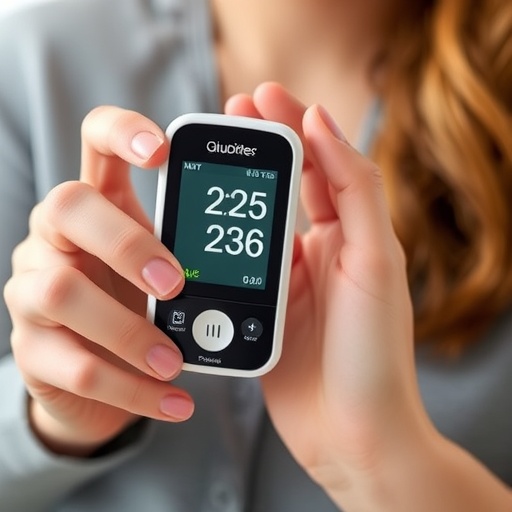
Recent advancements in diabetes management have paved the way for new technologies that vastly improve patient outcomes. Among these innovations is a new continuous glucose monitoring (CGM) system that has shown promising results in clinical trials involving German adults living with diabetes. This system, which brings a host of benefits to those managing their blood glucose levels, was the focal point of a recent study published in the journal Diabetes Therapy, authored by Jendrike, Link, Öter, et al.
The technology behind continuous glucose monitoring systems has revolutionized how diabetes is managed. Traditional methods typically involved finger-prick tests that provided intermittent snapshots of glucose levels, leading to potential mismanagement of blood sugar. CGM, on the other hand, provides real-time data, allowing users to see fluctuations in their glucose levels throughout the day and night, thereby facilitating more responsive adjustments to diet and insulin administration. The significance of this development cannot be overstated; it may minimize the risk of both hyperglycemia and hypoglycemia.
In the study conducted by Jendrike and colleagues, the new CGM system was rigorously tested on a cohort of adults with diabetes in Germany. The participants engaged with the system over a specified period, during which their glucose levels were continuously monitored. The findings indicated that users of this CGM experienced fewer incidences of glucose level spikes or drops, suggesting increased stability in managing their condition. Furthermore, the data collected also pointed to a marked improvement in the overall quality of life for the participants.
The technology employed in the CGM system demonstrates significant advancements over previous iterations. The latest sensors are smaller, more comfortable, and possess increased accuracy. They also integrate seamlessly with smartphone applications, thus allowing users to effortlessly track their glucose levels. This feature not only enhances user-friendliness but also offers the potential for sharing data with healthcare providers remotely, which is particularly beneficial in managing individualized treatment plans.
Moreover, this study contributes to a growing body of literature highlighting the effectiveness of CGM systems in diabetes management. Researchers found that many participants preferred the CGM system over traditional monitoring methods due to its convenience and the peace of mind it provided. This shift in preference underscores a changing landscape in diabetes management, one that increasingly values patient empowerment and self-management.
In addition to the technical improvements, the psychological aspects of utilizing a CGM system cannot be ignored. Many users reported reduced anxiety levels concerning their diabetes management, suggesting that having access to real-time data mitigates fears of sudden swings in glucose levels. The empowerment felt by patients is a crucial element in managing chronic conditions, as it fosters a proactive approach towards health.
Furthermore, the research spotlighted the educational component that comes with using a CGM system. Participants were better equipped to understand their diabetes as they received insights about how different foods, activities, and stress levels influenced their glucose readings. This newfound knowledge enabled more informed decision-making, ultimately contributing to better health outcomes.
However, while the advantages of the new CGM system are evident, the study also addressed certain limitations. For instance, some participants experienced issues with sensor adhesion and occasional inaccuracies in glucose readings, particularly during periods of rapid changes in blood sugar levels. Such challenges highlight the ongoing need for refinement in CGM technology to ensure reliability in various environments and situations.
The economic implications of adopting CGM systems are also noteworthy. With healthcare costs rising, particularly for chronic disease management, the ability of CGM to reduce complications associated with diabetes could lead to significant healthcare savings over time. By promoting better glycemic control, patients may avoid the need for hospitalizations and complex medical interventions, contributing to overall lower healthcare expenditures.
The potential for widespread adoption of CGM technology is bolstered by the increasing accessibility of healthcare technologies. As more healthcare systems begin to recognize the value of continuous monitoring in chronic disease management, we may see an uptick in insurance coverage for these devices. This change would significantly promote their use among patients who might otherwise find the costs prohibitive.
As the study by Jendrike et al. suggests, the future of diabetes management may well lie in continuous glucose monitoring technologies. By harnessing these advanced systems, individuals living with diabetes could realize a new level of control and flexibility in their lives. As research continues to evolve, and more data becomes available, we may ultimately see CGM systems as a standard component of diabetes care practices across various populations.
In conclusion, the new continuous glucose monitoring system shows great promise in enhancing the quality of life for adults living with diabetes. The ongoing research reflects the urgent need for innovative solutions in diabetes management, which not only address the physical aspects of the disease but also the psychological needs of patients. As healthcare providers and patients alike embrace these technological advancements, the future appears bright for improved diabetes outcomes and quality of life.
This study invites us to rethink the ways in which we approach and manage chronic diseases. Continuous glucose monitoring systems offer a glimpse of what personalized medicine could look like, paving the way for more tailored approaches to health that account for individual needs and circumstances. In an era where technology is becoming increasingly integrated into our daily lives, the use of smart health devices like CGM systems marks a pivotal step forward in the collective fight against diabetes.
The impact of this innovative research cannot be undermined, as it holds the potential to drive significant changes in healthcare practices. Future studies will no doubt build upon these findings, exploring the full scope of benefits as well as addressing any challenges that arise. The journey is just beginning, and there is much to look forward to when it comes to the integration of technology and diabetes management.
Subject of Research: New Continuous Glucose Monitoring System in German Adults Living with Diabetes
Article Title: Performance of a New Continuous Glucose Monitoring System in German Adults Living with Diabetes
Article References: Jendrike, N., Link, M., Öter, S. et al. Performance of a New Continuous Glucose Monitoring System in German Adults Living with Diabetes. Diabetes Ther (2025). https://doi.org/10.1007/s13300-025-01832-6
Image Credits: AI Generated
DOI: https://doi.org/10.1007/s13300-025-01832-6
Keywords: Continuous Glucose Monitoring, Diabetes Management, Sensor Technology, Patient Empowerment, Health Technology Integration
Tags: benefits of CGM technologyclinical trials in diabetescontinuous glucose monitoringdiabetes management advancementsdiabetes technology innovationsdiabetes therapy researchGerman diabetes patient outcomesinsulin administration adjustmentsminimizing hypoglycemia incidentsnew CGM system evaluationreal-time glucose level trackingreducing hyperglycemia risk



