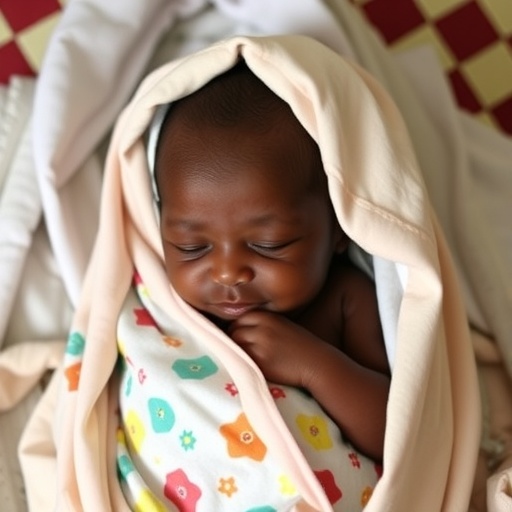
Neonatal jaundice remains a significant challenge in pediatric health, particularly in developing regions. A recent study conducted in a teaching hospital in Northern Ghana sheds new light on the incidence and risk factors associated with this condition, providing important insights that are critical for medical professionals, policymakers, and parents alike. Understanding the multifaceted aspects of neonatal jaundice is essential for improving health outcomes in newborns and reducing associated morbidities.
Jaundice, characterized by the yellowing of the skin and eyes due to elevated bilirubin levels in the blood, is common in newborns. It typically arises from the immature liver function, which struggles to process bilirubin effectively during the early days of life. While many cases of neonatal jaundice resolve spontaneously, certain factors can exacerbate its severity, making timely diagnosis and intervention paramount. The research conducted by Donkor et al. aims to quantify the incidence of this condition and identify key risk factors that may predispose some infants to more severe outcomes.
The study enrolled a cohort of neonates admitted to the teaching hospital over a specified time frame, meticulously documenting instances of jaundice. Researchers noted the clinical history, including gestational age, birth weight, and the presence of any underlying health issues that could heighten the risk of developing jaundice. Attention to these variables is crucial since they provide crucial context that aids in understanding the dynamics of neonatal health in this particular region of Ghana.
One of the striking findings of the research was the predominance of certain risk factors among affected neonates. Specifically, it was noted that preterm infants and those with low birth weight had higher incidences of jaundice. These parameters are often correlated, as preterm infants are more likely to experience complications during birth that can impede regular physiological processes. Identifying these risk factors presents an opportunity for healthcare systems to develop targeted interventions aimed at preventing severe cases of jaundice among vulnerable populations.
Another significant detail emerged concerning maternal health. The study highlighted a correlation between maternal conditions, such as diabetes and hypertension, and the likelihood of neonatal jaundice. This underscores the need for comprehensive prenatal care and active monitoring for expectant mothers, particularly those with pre-existing health issues. Ensuring maternal well-being can substantially mitigate risks for their infants, emphasizing a holistic approach to prenatal and neonatal healthcare.
The researchers also explored environmental factors that may influence the incidence of jaundice. Socioeconomic status, access to healthcare, and childcare practices were assessed to paint a fuller picture of the determinants affecting neonatal health outcomes. Poverty can limit healthcare access and resources for parents, which often results in delayed presentations for jaundice assessment and treatment. In regions with limited healthcare infrastructure, raising awareness about neonatal jaundice can encourage early detection and management, ultimately saving lives.
Moreover, the study implemented statistical models to analyze the interaction between various risk factors and jaundice incidence. By employing robust datasets, the research team was able to demonstrate how certain combinations of variables could significantly increase the likelihood of severe jaundice in newborns. This level of analysis aids in constructing predictive models that can be beneficial for healthcare planners and practitioners when allocating resources and designing community health initiatives aimed at reducing neonatal morbidity.
Additionally, the findings of this study contribute to an understanding of seasonal variations in jaundice prevalence. Researchers observed fluctuations in rates depending on seasonal factors such as temperature and humidity, which can influence bilirubin metabolism in infants. Recognizing these patterns aids healthcare professionals in anticipating higher incidences during certain periods, enabling them to strategize and mobilize resources accordingly.
Moving forward, the implications of this research are profound. Policymakers should take heed of the identified risk factors and promote targeted awareness campaigns, particularly focusing on education around maternal health and neonatal care. By involving community leaders and healthcare workers, efforts can be made to ensure that parents are well-informed about the signs and symptoms of jaundice, encouraging swift action when necessary.
While the study presents practical implications for immediate healthcare practices, it also emphasizes the need for additional research. Clarifying the long-term effects of neonatal jaundice on child development remains a vital area for future investigations. Understanding how early interventions can lead to improved developmental outcomes will be crucial for holistic pediatric care.
Lastly, the research underscores an urgent need for ongoing training and support for healthcare professionals who manage neonatal conditions. A well-informed healthcare workforce can improve early recognition and management of jaundice, thereby lowering the risk of complications and enhancing neonatal outcomes. By integrating continuous professional development into health systems, practitioners will be better equipped to handle the challenges that arise in neonatal care.
In conclusion, the study by Donkor et al. on the incidence and risk factors for neonatal jaundice in Northern Ghana provides critical insights that could lead to transformative changes in pediatric healthcare. By addressing these aspects actively, there is significant potential to decrease the burden of neonatal jaundice and enhance the well-being of infants across the region.
Subject of Research: Incidence and risk factors for neonatal jaundice
Article Title: Incidence and risk factors for neonatal jaundice in a teaching hospital in Northern Ghana
Article References: Donkor, D.R., Ziblim, SD., Asumah, M.N. et al. Incidence and risk factors for neonatal jaundice in a teaching hospital in Northern Ghana. BMC Pediatr 25, 969 (2025). https://doi.org/10.1186/s12887-025-06221-3
Image Credits: AI Generated
DOI: https://doi.org/10.1186/s12887-025-06221-3
Keywords: Neonatal jaundice, bilirubin, risk factors, maternal health, premature infants, healthcare access, socioeconomic status, pediatric care.
Tags: bilirubin levels in newbornsbirth weight impact on jaundice severitygestational age and jaundice correlationhealth outcomes for newborns in Ghanajaundice diagnosis and intervention strategiesjaundice management in infantsneonatal health research in Africaneonatal jaundice incidence in Ghanapediatric health challenges in developing regionsrisk factors for neonatal jaundiceteaching hospital study on jaundiceunderlying health issues in neonates