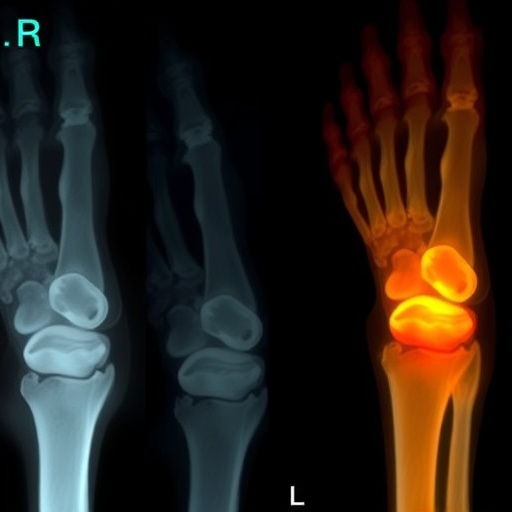
In a striking case report published in BMC Pediatrics, researchers Zhao, Dai, and Wang present an intriguing instance of neonatal Candida osteomyelitis with accompanying septic arthritis. This rare and severe condition presents significant challenges in medical management, particularly because it involves an infection caused by Candida, a type of yeast that typically does not cause harm in healthy individuals. The details unravelled in this study provide critical insights into the implications of fungal infections in neonates, a population that is particularly vulnerable to severe infections due to their immature immune systems.
The incidence of ostemyelitis and septic arthritis in newborns is extraordinarily low, making this case not only remarkable but also vital for understanding the risks associated with Candida species. Neonates, due to their limited immune defenses, can experience life-threatening situations from infections that are often considered benign in older children and adults. Hence, when such infections arise, they present a medical conundrum that requires prompt recognition, diagnosis, and management to improve outcomes.
The clinical picture of this unique case began with a detailed patient history, which highlighted the importance of a thorough examination for early detection of these infections. The neonate presented with atypical symptoms that were initially dismissed, prolonging the correct diagnosis. This underscores the importance of high clinical suspicion in neonates who develop signs of infection, even if their presentation is vague. The medical team’s astute observations eventually led to further investigation that confirmed the presence of Candida.
Upon confirming the diagnosis of osteomyelitis and septic arthritis, the medical team initiated antifungal therapy tailored to combat the Candida infection. The choice of antifungal agents must be made carefully, as some newer medications may be more effective against certain strains of Candida than traditional therapies. The intricate balance of effectively treating the infection while considering potential side effects and impacts on a rapidly developing neonate remains at the forefront of therapeutic decisions.
Beyond antifungal treatments, the case report also delves into the multifaceted approach required for management. This includes not only addressing the infection but also an extensive supportive care regime that monitors the neonate’s response to treatment. Nutritional support, pain management, and psychological support for the family are additional components that play critical roles in the holistic care of such patients.
The authors further discuss the implications of this case in the broader scope of neonatal care, particularly as the prevalence of fungal infections in this demographic has been steadily increasing. Factors contributing to this rise include the use of broad-spectrum antibiotics, which can disrupt normal flora and pave the way for opportunistic infections. Understanding these dynamics is essential for healthcare providers, as they aim to prevent such infections, which may require more aggressive interventions than previously anticipated.
Moreover, the interplay between healthcare practices and the likelihood of Candida infections is highlighted, urging practitioners to review protocols in neonatal intensive care units. The introduction of stringent infection control measures could greatly diminish infection rates, thus saving countless newborns from the critical consequences of such diseases. Strategies may involve stricter hygiene practices, careful monitoring of antibiotic use, and education for medical personnel on the early signs of infections.
The case highlights the importance of interdisciplinary collaboration in managing complex cases. Pediatricians, infectious disease specialists, and neonatologists must work together to design comprehensive treatment plans that cater to the unique needs of each infant. Communication among team members can lead to rapid diagnosis and treatment, which is pivotal for positive health outcomes.
Furthermore, the discussion of this neonate’s case extends to the literature review included in the article, which compiles existing data around neonatal Candida infections. This review serves not only as a reference for similar cases but also emphasizes the necessity for ongoing research in pediatric mycology, as many fungi are under-investigated in the context of neonatal disease.
In conclusion, this notable case of neonatal Candida osteomyelitis with septic arthritis is a wake-up call for the medical community to recognize the growing threat posed by fungal infections in newborns. Comprehensive management, awareness, and institutional readiness are crucial to mitigate the impact of such infections. The authors hope their report will not only shed light on this rare condition but also inspire further research into prevention and treatment strategies tailored for this vulnerable population.
The urgency surrounding this case and others like it reflects a critical need for continuous education among healthcare providers about the evolving landscape of pediatric infections. By highlighting such cases in prominent medical literature, researchers can foster a proactive approach toward addressing fungal infections before they become life-threatening.
Ultimately, the contribution of this case report to pediatric healthcare cannot be understated. As medical technology advances, so too must our approach to recognizing and treating infections that affect the most vulnerable members of our society. It is only through dedicated research and collaboration that we can hope to improve outcomes for neonates facing these complex medical challenges.
Subject of Research: Neonatal Candida Osteomyelitis with Septic Arthritis
Article Title: Case report: a case of neonatal Candida osteomyelitis with septic arthritis and literature review.
Article References:
Zhao, Y., Dai, L., Wang, L. et al. Case report: a case of neonatal Candida osteomyelitis with septic arthritis and literature review.
BMC Pediatr 26, 9 (2026). https://doi.org/10.1186/s12887-025-06358-1
Image Credits: AI Generated
DOI: https://doi.org/10.1186/s12887-025-06358-1
Keywords: Neonatal infections, Candida, Osteomyelitis, Septic arthritis, Pediatric mycology, Antifungal therapy.
Tags: Candida species riskscomplications of fungal infections in infantsdiagnosis of osteomyelitis in neonatesearly detection of septic arthritisfungal infections in neonatesimmune system vulnerabilities in infantsmedical management of neonatal infectionsneonatal Candida osteomyelitisneonatal health challengespediatric infectious diseasesrare pediatric case studiesseptic arthritis in newborns