


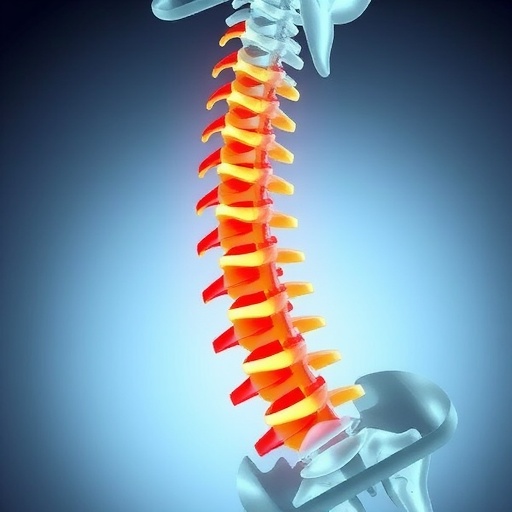
Living with an osteoporotic vertebral compression fracture is more than a clinical diagnosis; it represents a profound challenge that impacts the daily lives of patients and healthcare professionals alike. A recent study published in the prestigious Archives of Osteoporosis by Weber et al. explores the qualitative aspects of this condition, shedding light on the perspectives of both patients suffering from vertebral fractures and the healthcare providers tasked with their care. This exploration is not just academic; it brings to the forefront the emotional, physical, and social repercussions associated with this common yet often misunderstood health issue.
Osteoporotic vertebral compression fractures (OVCF) are a frequent consequence of osteoporosis, a condition characterized by reduced bone density and increased fragility. This type of fracture particularly affects the elderly population, who may not only face debilitating physical symptoms but also emotional distress stemming from their condition. Weber and colleagues delved into the narratives of affected individuals, revealing a tapestry of experiences that highlight the multifaceted nature of living with such injuries. Their findings emphasize that these fractures are not merely physical ailments but also significantly influence mental health and social interactions.
The methodology adopted by the researchers for this qualitative exploration included in-depth interviews with both patients and healthcare professionals. This approach allowed the team to collect rich, detailed narratives that express the lived experiences of individuals dealing with OVCF. Through these interviews, Weber et al. were able to uncover the differing priorities, concerns, and coping strategies from the perspectives of patients as opposed to those of healthcare providers. This distinction is crucial as it identifies potential gaps in understanding and communication that might be exacerbating the challenges faced by patients.
Firstly, patients with OVCFs often describe their experiences in visceral terms; they articulate not only the acute physical pain associated with the fracture but also the long-term implications for their quality of life. Many express feelings of isolation, fear, and anxiety regarding their future mobility and independence. This emotional burden can often be as debilitating as the physical pain, illustrating the complex interplay between body and mind in the healing process. These insights underscore the necessity for a more comprehensive approach to treatment that recognizes the psychological dimensions of osteoporosis-related fractures.
On the other hand, healthcare professionals brought forth a different set of insights regarding the management of OVCFs. They highlighted challenges in delivering care, noting that while they strive to provide effective treatment options, there’s often a disconnect in understanding the patient’s lived experience. Many healthcare providers observed that their clinical focus could sometimes overshadow the essential psychosocial components of care. Moreover, they acknowledged the need for improved education and resources to address the emotional aspects of recovery better.
By contrasting these perspectives, Weber et al. advocate for an integrated model of care that addresses both medical treatment and emotional support. Their study points to the potential benefits of interdisciplinary approaches involving physical therapists, mental health professionals, and nutritionists, who can collectively contribute to a holistic recovery model for patients suffering from OVCFs. The findings suggest that fostering open communication between healthcare personnel and patients could significantly enhance the recovery experience and outcomes.
Further exploration of the patient narratives revealed common themes regarding the social implications of living with a fracture. Many patients noted a shift in their roles within their families and communities. They expressed feelings of burdening loved ones or becoming increasingly dependent due to mobility restrictions from their condition. These changes can strain relationships and further entrench feelings of inadequacy and depression. The study highlights the need for social support mechanisms to be a cornerstone of treatment protocols, ensuring patients do not feel isolated in their journey.
Moreover, the study conducted by Weber et al. indicated the importance of informing patients about osteoporosis and its potential consequences early in the disease process. Increased awareness and education could empower patients, enabling them to take a proactive role in their treatment and lifestyle choices that promote bone health. These insights are critical given that many individuals are not fully aware of their osteoporosis risk or the preventive measures available, including dietary adjustments, exercise programs, and medication adherence.
In conjunction with these educational efforts, the study emphasizes the importance of personalized treatment plans tailored to individual patient needs, preferences, and experiences. Each patient’s journey with OVCFs is unique, and their care should reflect that reality. By acknowledging the nuances of each situation, healthcare providers can create more effective and empathetic care strategies.
Ultimately, this qualitative exploration serves as a clarion call for a shift in the paradigm of osteoporosis care. The lived experiences of those suffering from osteoporotic fractures must be at the forefront of clinical practices. As the study by Weber et al. illuminates, addressing the physical, emotional, and social dimensions of OVCF not only improves patient satisfaction but also can lead to better long-term health outcomes.
Continuing research and initiatives aimed at bridging the gap between clinical excellence and patient experience are essential in combating the challenges posed by osteoporotic fractures. The knowledge gleaned from studies like Weber et al. should inspire further inquiries and ground-breaking interventions that redefine how we understand and manage osteoporosis. Indeed, the future of osteoporosis care lies not just in the advancements of medical technologies but also in our ability to empathize, educate, and empower patients on their journeys toward recovery.
In conclusion, the research by Weber et al. catalyzes a significant discourse around the challenges of living with osteoporotic fractures. It invites both healthcare professionals and patients alike to engage in a dialogue that fundamentally reshapes the understanding of care and recovery. As we move forward, incorporating these insights will not only enhance treatment protocols but also transform the landscape of osteoporosis management, focusing on holistic, personalized care strategies that encompass the entire spectrum of patient experience.
Subject of Research: Osteoporotic vertebral compression fractures and their impact on patients and healthcare professionals.
Article Title: Living with an osteoporotic vertebral compression fracture: a qualitative exploration of patient and healthcare professional perspectives.
Article References:
Weber, A., Droeghaag, R., Paulus, A.T.G. et al. Living with an osteoporotic vertebral compression fracture: a qualitative exploration of patient and healthcare professional perspectives.
Arch Osteoporos 21, 25 (2026). https://doi.org/10.1007/s11657-025-01640-2
Image Credits: AI Generated
DOI: 13 January 2026
Keywords: Osteoporosis, vertebral compression fractures, patient experience, healthcare professional perspectives, qualitative research.



