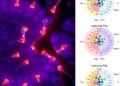
In a groundbreaking advancement for cardiovascular medicine, the National Heart Centre Singapore (NHCS) is launching a transformative artificial intelligence (AI) initiative named SENSE (Singapore Heart lesion Analyzer). This innovative platform is designed to significantly reduce the time required to analyze cardiac imaging scans from hours to mere minutes, leveraging sophisticated machine learning algorithms. By streamlining processes such as the detection and prediction of coronary artery disease (CAD), SENSE promises to enhance clinical workflows and improve patient outcomes in a substantial way.
The NHCS, alongside the ASTAR Institute for Infocomm Research (ASTAR I²R), is spearheading the implementation of SENSE, a project that will be deployed in three major healthcare institutions: NHCS, the National University Hospital, and Tan Tock Seng Hospital, by the third quarter of 2025. This deployment is a testament to the commitment to improving healthcare access and efficiency, particularly in a demographic where coronary artery disease is a primary cause of mortality.
SENSE serves as a testament to how artificial intelligence can revolutionize complex medical procedures. Traditionally, specialists would require a duration of two to four hours to interpret cardiac scans, but with SENSE, results are expected to be delivered to clinicians within ten minutes. This represents a forty-fold improvement in efficiency, potentially leading to quicker diagnoses and interventions in patients identified at risk of cardiac events. It effectively allows healthcare providers to act sooner, which is critical in addressing CAD, a condition associated with one-third of cardiovascular-related deaths in Singapore.
The foundation of SENSE is built upon cutting-edge AI technologies developed in the NHCS CardioVascular Systems Imaging and Artificial Intelligence (CVS.AI) Research Laboratory. This purpose-built facility, expanding to 164 square meters, is equipped with high-performance GPUs and advanced machine learning software capable of processing vast amounts of patient data. The enhanced infrastructure not only facilitates real-time data analysis but also improves the accuracy of predictive models used in diagnosing heart conditions. The ability to generate immediate insights through AI innovations places NHCS at the forefront of cardiovascular health research.
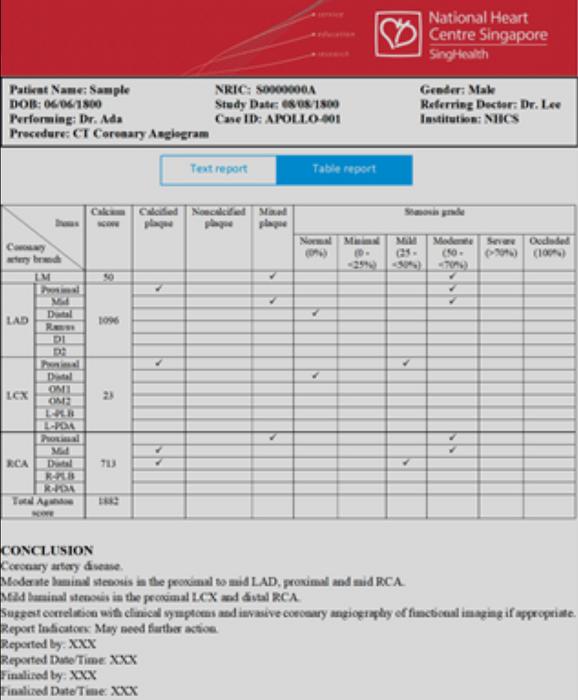
The initial introduction of AI in the NHCS landscape traces back to the APOLLO project instituted in 2021, which aimed to establish a robust platform for analyzing CT coronary angiography through AI integration. Collaboratively developed with A*STAR’s Bioinformatics Institute and other institutions, APOLLO laid important groundwork for evaluating and diagnosing coronary artery disease through a comprehensive database of cardiac scans. Now, with SENSE, these advanced methods of AI interpretation are being refined and implemented at a larger scale, ensuring a more practical application in everyday clinical settings.
Building upon the APOLLO framework, SENSE focuses on four key determinants of coronary artery disease: coronary calcium scores, epicardial adipose tissue, stenosis levels, and plaque characterization. Each of these factors can be automatically analyzed by the AI modules embedded within the system, delivering comprehensive reports that clinicians can rely on for making informed decisions about patient care. The shift towards AI-powered diagnostics not only enhances efficiency but also introduces a new era of accuracy, as data gleaned from patient scans now enter clinical practice faster than ever before.
As pressures mount on healthcare systems globally, the adoption of initiatives like SENSE illustrates a proactive approach to addressing the inefficiencies inherent in traditional diagnostic methods. Given that coronary artery disease is among the leading causes of mortality worldwide, improving the identification and treatment of this disease is paramount. By revolutionizing the speed and precision of how healthcare professionals assess cardiac images, SENSE assists in closing the gap between medical advancements and patient care.
The National Heart Centre Singapore is dedicated not only to the immediate clinical applications of AI-driven technologies but also to the broader implications of enhancing cardiovascular health through ongoing research. The collaborative efforts between NHCS and national institutions showcase how interdisciplinary research can lead to innovative solutions tailored to meet the healthcare needs of diverse populations. The strategic partnerships aim to create a synergistic model of care that amplifies the impact of AI and reinforces the role of advanced technology in modern medicine.
As SENSE prepares for its rollout, healthcare professionals and patients alike stand to benefit from its implementation. The initiative underscores the relationship between technology and patient outcomes, illustrating how systematic enhancements in diagnostic processes can translate into more effective and swift treatment. As clinicians gain access to timely and highly detailed reports, the implications for preventative care and long-term health management possibilities are profound.
Furthermore, the operational efficiency introduced by SENSE allows healthcare providers to focus more on patient interaction and care rather than administrative burdens associated with traditional diagnostic metrics. It transforms the clinical environment, empowering clinicians to leverage high-quality data analytics in their decision-making processes. As this program evolves, it will undoubtedly set a precedent for future implementations of AI within this and other medical specialties.
In conclusion, the dawn of SENSE marks a transformative period in the realm of cardiac imaging and disease management. The collaboration between NHCS and A*STAR is pivotal in harnessing the capabilities of artificial intelligence, aiming for improved prognostic outcomes for patients dealing with coronary artery disease. As SENSE comes into effect, the impact on patient care delivery in Singapore will not only be immediate but will also serve as a model for implementing advanced AI systems in healthcare on a global scale.
Subject of Research: Artificial Intelligence in Cardiovascular Diagnostics
Article Title: National Heart Centre Singapore Launches SENSE: A Revolutionary AI Diagnostic Tool for Coronary Artery Disease
News Publication Date: May 20, 2025
Web References: National Heart Centre Singapore
References: NHCS Research Lab Publications
Image Credits: National Heart Centre Singapore
Keywords
AI, cardiovascular disease, coronary artery disease, diagnostic imaging, machine learning, healthcare technology, NHCS, SENSE, APOLLO, predictive analytics, patient outcomes.
Tags: AI in medical diagnosticsASTAR Institute collaborationcardiac imaging analysisclinical workflow enhancementcoronary artery disease predictionhealthcare access efficiencyinnovative AI technologymachine learning in healthcareNational Heart Centre Singaporepatient outcome improvementSENSE platform launchtransformative cardiovascular medicine