In a groundbreaking leap forward in the fight against antibiotic resistance, a team of researchers has unveiled a novel nano-enabled therapeutic strategy capable of revitalizing the efficacy of traditional antibiotics against some of the most formidable multidrug-resistant (MDR) bacterial pathogens. Their focus centers on a pervasive and highly resistant strain of Salmonella enterica serovar Typhimurium (S. Typhimurium), a notorious culprit in foodborne illnesses and a growing menace within the global swine industry. This innovative approach harnesses nanoliposome technology to simultaneously deliver the antibiotic amoxicillin and its β-lactamase inhibitor, tazobactam, directly into infected cells, dramatically curbing bacterial survival and opening new horizons in antimicrobial therapy.
The severity of the MDR S. Typhimurium strains isolated from a Quebec swine farm provided a stark demonstration of the escalating antibiotic resistance crisis. Whole-genome sequencing exposed a complex genetic armor comprised of two plasmids, one encoding resistance to seven distinct classes of antibiotics, including β-lactams, aminoglycosides, and sulfonamides. Beyond resistance, this plasmid also carried multiple virulence factors enhancing the pathogen’s ability to invade and persist within host cells, complicating standard treatment protocols and amplifying risks to animal and human health.
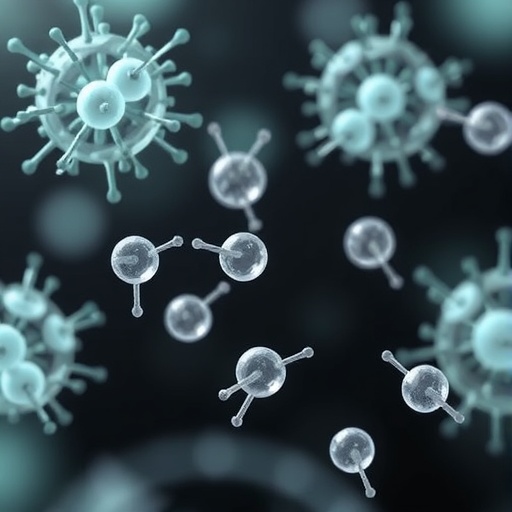
Confronted with these challenges, the investigative team designed an advanced drug delivery system termed LP-CAT, a nanoformulation where amoxicillin (AMOX) and tazobactam are co-encapsulated within cyclodextrin molecules that are themselves embedded inside liposomal vesicles. This multi-layered encapsulation not only shields the drugs from premature degradation but also ensures efficient cellular uptake and targeted release at the infection site, optimizing the antimicrobial impact while minimizing off-target effects.
Physicochemical characterization of LP-CAT revealed particles of ideal nanoscale dimension, exhibiting uniform size distribution and a surface charge conducive to stability and cellular interaction. These properties are vital as they facilitate penetration through biological barriers and enable the payload to reach intracellular Salmonella reservoirs—sanctuaries where bacteria often evade conventional antibiotics, leading to persistent infections.
In vitro synergy tests using checkerboard assays underscored the formidable enhancement conferred by this nanoencapsulation. Where free amoxicillin faced MIC values exceeding 2000 µg/mL—reflecting near-complete resistance—the LP-CAT formulation slashed this to approximately 60 µg/mL, signaling a remarkable restoration of drug potency by over 30-fold. This compelling synergy arises from the combined effect of the β-lactamase inhibitor neutralizing bacterial enzymes that degrade antibiotics, alongside the liposomal delivery that circumvents intracellular barriers and microbial defense.
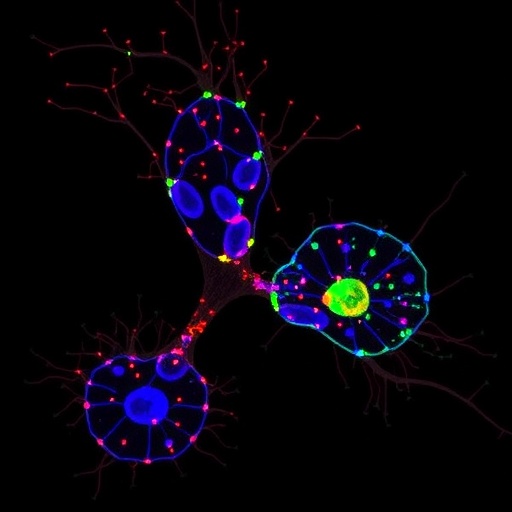
Beyond these promising baseline results, the researchers employed an in vitro cultured porcine intestinal epithelial cell line (IPEC-J2) as a biologically relevant model of intracellular infection. Remarkably, treatment with LP-CAT eradicated more than 94% of intracellular S. Typhimurium without discernible cytotoxicity, demonstrating that the treatment is not only powerful but also safe for host cells. This aspect is crucial, as preserving host cell viability ensures that tissue function and integrity remain uncompromised during therapy.
To reinforce these findings, the team transitioned to an in vivo model using the nematode Caenorhabditis elegans, widely recognized for its utility in studying host-pathogen interactions. LP-CAT treatment effectively resolved intestinal infections in these organisms, thereby validating therapeutic efficacy in a living system and correlating well with the in vitro successes. Such an integrative evaluation confirms that the nanoformulation operates across biological complexity levels and holds promise for realistic clinical or agricultural applications.
This study is particularly impactful as it addresses the formidable challenge posed by MDR intracellular bacteria, a category of pathogens notoriously difficult to eradicate due to their residence within host cells where drug penetration is limited. By co-delivering both antibiotic and enzyme inhibitor directly inside liposomes, the therapy combines targeted delivery with biochemical protection against bacterial defense enzymes, restoring the therapeutic window of previously compromised drugs.
The implications of this research extend well beyond the immediate context of swine-associated Salmonella infections. The conceptual framework and technological innovations underpinning LP-CAT represent a paradigm shift potentially applicable to a wide range of intracellular bacterial infections resistant to existing antibiotic regimens. This could reinvigorate the antibiotic pipeline and provide a much-needed arsenal against evolving pathogens that jeopardize both veterinary and human health globally.
Moreover, the researchers’ utilization of cutting-edge whole-genome sequencing to map resistance determinants combined with advanced nanotechnology for drug delivery heralds a new era of precision antimicrobial therapy. Tailored interventions that integrate pathogen genomics with bespoke drug formulations promise not only enhanced efficacy but also a reduction in the emergence of further resistance by minimizing subtherapeutic exposure.
Importantly, the biocompatibility and non-toxic profile of LP-CAT mark it as a candidate with significant safety advantages, a critical parameter given the potential systemic exposure in agricultural contexts and the risk of drug residues entering the human food chain. The use of naturally derived liposomes and cyclodextrin further underscores the environmental prudence of this approach.
Future prospects include scaling the production of LP-CAT for field trials in infected animal populations, rigorous pharmacokinetic and pharmacodynamic evaluations, and exploration of its applicability against other MDR intracellular pathogens such as Mycobacterium tuberculosis or Brucella species. Such endeavors will help translate these compelling laboratory results into tangible clinical and agricultural solutions.
This pioneering work epitomizes the fusion of molecular microbiology, nanotechnology, and pharmaceutical science in addressing one of the 21st century’s most pressing biomedical challenges. As antibiotic resistance surges worldwide, innovations such as LP-CAT offer a beacon of hope, reviving classical antibiotics through technologically sophisticated strategies and protecting both animal and human health in a sustainable manner.
In summary, the novel nanoliposome-encapsulated co-delivery system devised by these researchers emerges as a powerful therapeutic modality capable of reversing antimicrobial resistance in intracellular MDR S. Typhimurium. Their work not only illuminates new avenues for tackling stubborn infections in animal agriculture but also sets a benchmark for future multidisciplinary efforts aimed at safeguarding public health amidst a growing antibiotic resistance crisis.
Subject of Research:
Nanoliposome-mediated co-delivery of amoxicillin and tazobactam to combat multidrug-resistant intracellular Salmonella enterica serovar Typhimurium infection.
Article Title:
Nanoliposome mediated co-delivery of amoxicillin and tazobactam remediate intracellular infection by a multidrug-resistant Salmonella enterica serovar Typhimurium.
Article References:
Sackey, T., Kannan, U., Majumder, S. et al. Nanoliposome mediated co-delivery of amoxicillin and tazobactam remediate intracellular infection by a multidrug-resistant Salmonella enterica serovar Typhimurium. J Antibiot (2026). https://doi.org/10.1038/s41429-026-00903-5
Image Credits: AI Generated
DOI: 06 March 2026
Tags: advanced nanotechnology in veterinary medicineamoxicillin and tazobactam nanoformulationantibiotic resistance in foodborne pathogenscombating antibiotic resistance in livestockcombating MDR bacteria in swine industrymultidrug-resistant Salmonella treatmentnano-enabled antimicrobial therapynanoliposome drug deliveryplasmid-mediated antibiotic resistanceS. Typhimurium β-lactamase inhibitiontargeted intracellular antibiotic deliveryvirulence factors in Salmonella