In a groundbreaking new study published in BMC Complementary Medicine and Therapies, researchers have delved into an often-overlooked therapeutic approach in pediatric healthcare: the power of music. In a time when stress and anxiety have become common challenges for children undergoing hospitalization, the study led by I.N. da Silva Santa and colleagues shed light on how music can serve as a potent tool for stress reduction. This research draws from a mixed-methods approach, effectively combining quantitative data with qualitative insights from both patients and healthcare professionals to highlight the benefits of music in clinical settings.
The healing power of music is not a novel concept; numerous cultures have long recognized its potential to soothe and heal. Yet, the scientific community is increasingly validating these age-old beliefs through empirical research. The present study aims to bridge the gap between anecdotal evidence and scientific inquiry, measuring the psychological and physiological impacts of music therapy during pediatric hospitalization. The findings may not only shape the future of pediatric care but also influence broader therapeutic practices across medical disciplines.
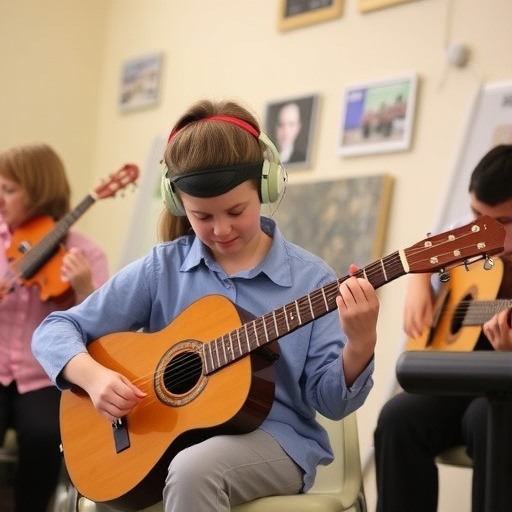
During the study, the researchers implemented a series of carefully structured interventions involving various types of music, ranging from classical compositions to contemporary tracks. Pediatric patients, aged between six months and 18 years, were exposed to these musical environments during key moments of their hospital experience, including pre-operative procedures, post-operative recovery, and general inpatient care. Each phase targeted potential stress triggers, providing a calming backdrop intended to reduce anxiety among children physically and emotionally vulnerable in a hospital setting.
Quantitive data gathered from physiological markers indicated a marked decrease in heart rates and blood pressure among children exposed to music therapy compared to their counterparts who received standard care. This suggests that music can have a measurable impact on physical stress markers, making a compelling case for its inclusion as a standard practice in pediatric healthcare. Notably, measurable outcomes were documented across diverse patient demographics, suggesting a universal applicability of music as a healing modality regardless of age, background, or medical condition.
Qualitative insights gathered through interviews and questionnaires provided a richer understanding of music’s impact. Many children reported feeling more relaxed, less anxious, and even enjoying their hospital experience—something that is often perceived as daunting and alienating. Parents echoed these sentiments, sharing their gratitude for interventions that not only help their children cope but also enhance the overall hospital atmosphere. Health professionals noted that the soothing effects of music could facilitate smoother interactions and procedures, contributing to a more positive healthcare experience.
The combination of quantitative and qualitative research methods used in this study offers a holistic perspective on music therapy and its implications for pediatric care. By documenting both measurable health outcomes and personal narratives, the study effectively underscores the importance of patient-centered care. It invites healthcare professionals to consider artistic interventions as integral components of treatment rather than mere complementary practices.
Historically, the integration of arts into healthcare has often been met with skepticism, particularly in regard to empirical validity. However, as more studies like this one demonstrate tangible benefits, the prevailing narrative is beginning to shift. In the future, music therapy could very well become a staple in hospital protocols aimed at improving patient outcomes, patient satisfaction, and overall healing environments. Such advancements would not only foster an improved outlook on hospital stays for children but also enhance relationships between healthcare providers and patients.
The findings of this study also pave the way for future research avenues. Investigating specific genres of music, the duration of exposure, and the frequency of intervention could yield further insights into optimizing music therapy in diverse medical contexts. Future studies could explore the effects of music on different patient populations, including adults and those suffering from chronic conditions, expanding the scope of music as a therapeutic tool beyond pediatric care.
Furthermore, the implications of integrating music therapy into public health policies cannot be overstated. As hospitals and health insurance systems grapple with patient satisfaction and experience metrics, adopting innovative strategies like music therapy may not only enrich patient care but also improve organizational efficiency. Offering a tailored, additional layer of quality during hospital stays could redefine how healthcare systems approach both treatment and patient wellbeing.
Overall, the promising conclusions drawn from this study on music’s impact on pediatric hospitalization underscore the need for ongoing exploration into arts-based therapies. Music, as proven by this research, transcends mere entertainment; it stands as a legitimate adjunct to medical treatment. As healthcare continues to evolve, the inclusion of therapies that address emotional and psychological needs will be crucial for fostering holistic healing practices.
The revelation of music’s therapeutic power aligns with a larger movement towards patient-centered care within the medical industry. By acknowledging the emotional realms of healing, healthcare professionals can better support their patients beyond traditional clinical approaches. This study thus serves as a vital step in the right direction, advocating for an integrated healthcare model where art and healing coexist and enrich one another.
As our understanding of healing broadens, it urges both clinicians and the public alike to reconsider preconceived notions regarding treatment modalities. The healing power of music should no longer be relegated to the fringes of medical practice; music therapy deserves its rightful place as an essential component of contemporary medical care, particularly in pediatric settings where the need for compassionate care is paramount.
In conclusion, the study led by da Silva Santa and colleagues not only champions the integration of music into hospital settings, but it also serves as a call to action for healthcare leaders, policymakers, and practitioners. By harnessing the innate healing properties of music, we can revolutionize pediatric care and redefine the parameters of patient wellness. The fusion of art and health offers all of us an opportunity to embrace a more comprehensive, empathetic approach to healing—a vision where music is not just a backdrop but a lifeline for our youngest patients during their most vulnerable moments.
Subject of Research: The impact of music therapy on stress reduction in pediatric hospitalisation.
Article Title: The healing power of music: a mixed-methods study on stress reduction in paediatric hospitalisation.
Article References:
da Silva Santa, I.N., dos Santos, M.L.B.M., Ribeiro, .G.M. et al. The healing power of music: a mixed-methods study on stress reduction in paediatric hospitalisation.
BMC Complement Med Ther 25, 386 (2025). https://doi.org/10.1186/s12906-025-05098-0
Image Credits: AI Generated
DOI: 10.1186/s12906-025-05098-0
Keywords: Music therapy, pediatric healthcare, stress reduction, qualitative research, quantitative data, patient-centered care, holistic healing.
Tags: benefits of music in hospitalscultural perspectives on music healingempirical research on music therapyhealing power of music in healthcareimpact of music on children’s healthmixed-methods study in healthcaremusic interventions in clinical settingsmusic therapy for pediatric patientspediatric anxiety managementpsychological effects of music therapystress reduction through musictherapeutic practices in pediatric care