In a groundbreaking study set to reshape our understanding of the intricate links between mental and physical health, researchers have unveiled a sophisticated multi-organ network that underlies the co-occurrence of cardiometabolic diseases and depression. Drawing upon cutting-edge phenotypic and genetic analyses of magnetic resonance (MR) images, the study demystifies the complex interactions between bodily organs and the brain, bridging a crucial gap in the science of multimorbidity.
The scientific team, led by Wang, J., Liu, M., and Liu, F., leveraged advanced imaging technologies combined with large-scale genetic data to explore the entangled relationships between depression and a range of cardiometabolic disorders, including heart disease, diabetes, and metabolic syndrome. The convergence of these conditions, which have traditionally been studied in isolation, has long posed a challenge for clinical management and understanding. This research provides a comprehensive, integrative framework, highlighting how dysfunction in multiple organ systems contributes to a shared pathological landscape.
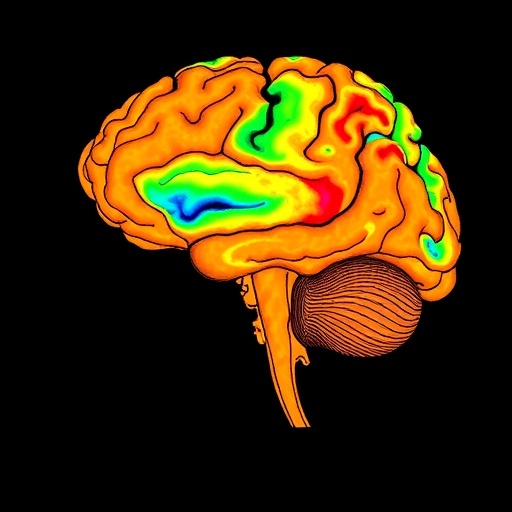
Magnetic resonance imaging was pivotal in this analysis, offering unparalleled resolution and specificity in visualizing organ integrity and function without the invasiveness of other diagnostic techniques. By mapping phenotypic features gleaned from MR images, the investigators identified subtle structural and functional changes spanning cardiovascular tissues, hepatic structures, adipose deposits, and cerebral regions associated with mood regulation. Such phenotypic profiling, when combined with genetic datasets, enabled the detection of overlapping biological pathways that predispose individuals to both depressive and cardiometabolic conditions.
One of the most striking conclusions was the discovery of a network effect rather than isolated organ-specific dysfunction. It appears that alterations in one organ’s physiology can propagate systemically, influencing distant organs through metabolic, inflammatory, and neurohumoral channels. For instance, hepatic inflammation and altered lipid metabolism were linked to changes in brain regions regulating emotional and cognitive processing, underscoring a bidirectional relationship between metabolic health and psychiatric conditions.
The genetic analyses were equally revealing. Genome-wide association studies (GWAS) integrated with imaging phenotypes highlighted shared genetic variants that modulate organ morphology and function across multiple systems. These pleiotropic genes may orchestrate the vulnerability to both cardiometabolic and depressive disorders, illuminating new targets for therapeutic intervention. Importantly, this genetic overlap might explain why patients suffering from one condition often face an increased risk of developing the other.
The concept of multimorbidity—where multiple diseases occur simultaneously in a patient—has often been dismissed as mere coincidence or the consequence of aging. However, this study shifts that paradigm by demonstrating a biologically coherent framework through which depression and cardiometabolic diseases coalesce. This paradigm shift bears immense implications for clinical practice, urging the medical community to adopt holistic diagnostic and treatment approaches rather than fragmented, organ-centric models.
Emerging from the data is a nuanced picture of inflammation as a central mediator. Chronic systemic inflammation has long been implicated in both cardiometabolic disorders and neuropsychiatric conditions. The imaging and genetic profiles presented bolster this hypothesis by identifying specific inflammatory signatures that compromise vascular integrity, mitochondrial function, and neurotransmitter regulation. The research further clarifies how immune dysregulation acts as a conduit linking the periphery to the central nervous system.
Beyond inflammation, metabolic dysregulation stands out as a critical node in the multi-organ network. Insulin resistance, altered glucose metabolism, and disrupted adipokine signaling were all connected to brain function abnormalities detected through MR imaging. This metabolic-brain axis underscores the importance of considering metabolic health in the prevention and treatment of depression, thereby advocating integration of endocrinology and psychiatry in patient care.
Furthermore, alterations in brain structure, such as volumetric reductions in the hippocampus and prefrontal cortex, were correlated with systemic cardiometabolic markers. These findings corroborate the hypothesis that physiological stressors impact neuroplasticity and cognitive resilience, possibly explaining the cognitive deficits and emotional dysregulation frequently observed in patients with persistent metabolic illness.
Another innovative aspect of the study was its use of machine learning algorithms to unravel the highly complex, high-dimensional data encompassing imaging, genetics, and clinical phenotypes. Such computational techniques allowed the researchers to detect patterns invisible to traditional statistical methods, reinforcing the interconnectedness of organ systems and identifying predictive biomarkers for early detection of multimorbidity.
Clinically, this research heralds the advent of precision medicine tailored to the multimorbid patient. By understanding the shared biological substrates of depression and cardiometabolic disease, personalized treatment regimens incorporating pharmacological, lifestyle, and psychological interventions can be designed to target the underlying network rather than isolated symptoms. These approaches have the potential to improve patient outcomes by addressing root causes rather than fragmented effects.
Moreover, the study’s results pave the way for novel drug development strategies. Therapeutics that modulate systemic inflammation, metabolic function, or neurovascular health could serve dual purposes in ameliorating both cardiometabolic and depressive phenotypes. This convergence in treatment goals could optimize resource allocation and patient compliance, particularly in healthcare systems burdened by rising rates of chronic illness.
Equally significant is the study’s contribution to public health. Recognizing the multi-organ network involved in disease multimorbidity encourages broader prevention strategies that integrate mental health with cardiometabolic risk factor management. Public health campaigns might increasingly emphasize holistic wellness, incorporating diet, exercise, stress reduction, and social determinants of health to mitigate the interconnected burden of these diseases at the population level.
Finally, this investigation opens exciting avenues for future research. Longitudinal studies could elucidate the temporal dynamics of organ interactions and genetic expressions across different life stages. Furthermore, exploring how environmental exposures such as pollution, diet, and socioeconomic stress interact with genetic predispositions within this network promises to deepen understanding of disease etiology and resilience.
In conclusion, this landmark study by Wang et al., soon to be featured in the prestigious journal Nature Communications, elucidates a sophisticated multi-organ biological network underpinning the co-occurrence of cardiometabolic diseases and depression. Through an elegant fusion of MR imaging, phenotypic analysis, and genomic data, it transforms our comprehension of multimorbidity and sets the stage for revolutionary approaches to diagnosis, treatment, and prevention in medicine. The compelling evidence presented is not only scientifically profound but also poised to generate widespread clinical and societal impact, resonating across disciplines in the quest for holistic health.
Subject of Research:
The study investigates the multi-organ biological network underlying the co-occurrence of cardiometabolic diseases and depression through phenotypic and genetic analyses of MR images, aiming to elucidate the mechanisms driving disease multimorbidity.
Article Title:
Multi-organ network of cardiometabolic disease-depression multimorbidity revealed by phenotypic and genetic analyses of MR images.
Article References:
Wang, J., Liu, M., Liu, F. et al. Multi-organ network of cardiometabolic disease-depression multimorbidity revealed by phenotypic and genetic analyses of MR images. Nat Commun (2026). https://doi.org/10.1038/s41467-025-68092-7
Image Credits:
AI Generated
Tags: advanced imaging technologies in medicinecardiometabolic diseases and depression connectiongenetic influences on mental healthheart disease and mental health correlationintegration of physical and mental healthmagnetic resonance imaging in medical studiesmetabolic syndrome and depression linkmulti-organ network in health researchmultimorbidity in clinical managementphenotypic and genetic analysis of diseasesresearch on chronic disease co-occurrenceunderstanding complex health interactions