Recent advancements in the understanding of pediatric acute respiratory distress syndrome (ARDS) have brought to light the critical role of lung repair mechanisms in young patients. A groundbreaking study conducted by researchers including Song, Liu, and Bai, published in the Journal of Translational Medicine, explores how distinct spatial compartments within the lungs contribute to tissue regeneration. By employing a multi-omics approach, the team investigates the cellular and molecular underpinnings of lung repair niches, illuminating targets for therapeutic interventions.
Pediatric ARDS is a complex condition characterized by severe lung inflammation and reduced oxygen exchange. Traditionally understood through a singular lens of inflammation and injury, this new research reveals a sophisticated framework in which various cellular populations orchestrate the repair process. The insights gained from this study not only enhance our comprehension of lung biology in children but also provide opportunities for developing targeted therapies that may significantly improve outcomes in affected patients.
At the core of the study lies the analysis of various “omics” layers, including genomics, transcriptomics, proteomics, and metabolomics. These comprehensive methodologies allow the researchers to construct a detailed profile of the lung microenvironment during the healing phases of ARDS. Each layer adds a dimension of understanding, revealing how different cell types communicate and work together to facilitate recovery from acute lung injury. This holistic approach, combining multiple disciplines, underscores the complexity of the biological systems involved in lung repair.
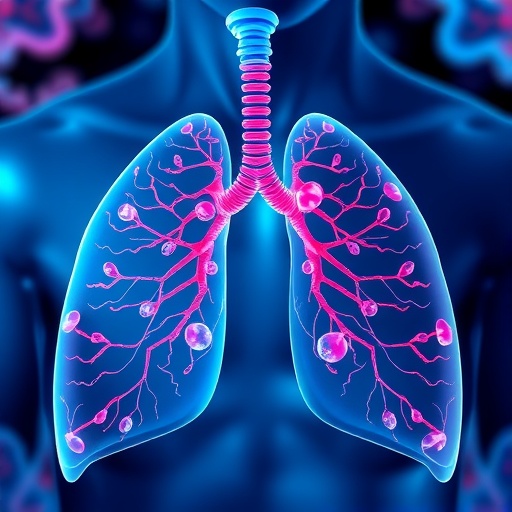
The researchers identified distinct spatial compartments within the lung tissue that are essential for reparative processes. These niches serve as organized zones where specific cell types, cytokines, and growth factors converge to initiate healing responses. The study highlights that these compartments are not only anatomically defined but also dynamically regulated throughout the injury and recovery phases. By mapping out these unique regions, the authors provide critical insights that could inform future therapeutic strategies aimed at enhancing lung repair.
One of the most significant findings from this study is the identification of specific cell populations that are enriched within these repair niches. For instance, the presence of progenitor cells, immune cells, and specialized stromal cells within these compartments suggests a collaborative effort in tissue regeneration. Understanding the composition and function of these cell types can lead to novel treatment modalities that harness the body’s innate repair mechanisms.
The study emphasizes the importance of timing in the activation of these repair niches. Early intervention during the acute phase of ARDS is crucial, as the timing of therapeutic strategies can influence the overall outcome. By understanding the temporal dynamics of cell behavior and gene expression within these compartments, clinicians can devise interventions that effectively leverage the body’s natural reparative processes.
Furthermore, the researchers explore the role of extracellular matrix (ECM) components in organizing repair niches. The ECM provides structural support and biochemical signals that are pivotal for cell migration, differentiation, and survival. By elucidating how ECM interactions facilitate cellular communication within these niches, the research offers a new perspective on how to manipulate the local environment to promote healing.
Attention to the metabolic requirements of cells within these compartments revealed that metabolic pathways play a vital role in supporting the energetic and biosynthetic demands of repair processes. Alterations in metabolism were shown to influence cellular activities and, consequently, the efficiency of lung repair. This layer of insight underscores the interplay between metabolic status and cellular function, suggesting that metabolic modulation could be a viable therapeutic approach in pediatric ARDS.
The implications of these findings extend beyond the realm of pediatric ARDS; they open avenues for research into other acute lung conditions such as viral pneumonia or influenza. Exploring commonalities and differences in the repair mechanisms across various types of lung injuries could potentially enhance therapeutic strategies universally. Thus, the researchers invite the scientific community to investigate how their findings can translate into broader clinical applications.
For practitioners, this study highlights the necessity of a paradigm shift in the management of ARDS in pediatric patients. Traditional approaches focusing solely on symptom relief may need to be expanded to incorporate strategies that actively promote lung repair and regeneration. The insights provided by this research equip clinicians with a framework to develop comprehensive treatment plans that address both the immediate and long-term needs of their patients.
As the field moves forward, the authors advocate for further explorations of the crosstalk between the various components of the lung microenvironment. Future studies are essential to fully understand how these intricate interactions can be harnessed to enhance therapeutic effectiveness. By patiently unraveling the complexities of lung repair, researchers have the potential to revolutionize treatment modalities for pediatric ARDS and beyond.
In conclusion, the multi-omics analysis conducted by Song, Liu, and Bai represents a significant leap forward in the understanding of lung repair mechanisms in pediatric patients suffering from ARDS. Through this research, distinct spatial compartmentalization of lung repair niches was elucidated, unveiling promising avenues for intervention. By recognizing the importance of cellular dynamics, metabolic pathways, and ECM interactions, the study empowers the scientific community to explore targeted therapeutic approaches that could profoundly benefit young patients facing the challenges of acute lung injury.
Subject of Research: Pediatric ARDS and lung repair mechanisms.
Article Title: Multi-omics analysis reveals distinct spatial compartmentalization of lung repair niches in pediatric ARDS.
Article References:
Song, L., Liu, Y., Bai, Y. et al. Multi-omics analysis reveals distinct spatial compartmentalization of lung repair niches in pediatric ARDS.
J Transl Med (2025). https://doi.org/10.1186/s12967-025-07588-8
Image Credits: AI Generated
DOI: 10.1186/s12967-025-07588-8
Keywords: Pediatric ARDS, lung repair, multi-omics, cellular dynamics, extracellular matrix, therapeutic strategies.
Tags: cellular and molecular lung repairgenomics in lung biologyimproving outcomes in pediatric ARDSlung microenvironment analysislung repair mechanisms in childrenmulti-omics approach in medicinepediatric acute respiratory distress syndromesevere lung inflammation in pediatricsspatial compartments in lung tissuetherapeutic interventions for ARDStissue regeneration in pediatric patientstranscriptomics and proteomics in ARDS