Acute liver failure is one of medicine’s most unforgiving emergencies. When large numbers of hepatocytes, the liver’s principal working cells, die within days, the organ can no longer detoxify the blood, synthesize clotting factors, or maintain metabolic balance. Mortality rates remain high even with intensive care, and the only definitive treatment for the most severe cases is liver transplantation, an option limited by donor scarcity, surgical complexity, and cost. Against this backdrop, a team of researchers in China has reported a promising cell-free therapeutic strategy: tiny vesicles secreted by mesenchymal stem cells that appear to rescue failing livers by reactivating a critical survival signaling pathway. The work, published in the Journal of Translational Medicine, identifies the NEMO-NFκB axis as the pivotal molecular switch through which these vesicles protect hepatocytes from inflammatory cell death.
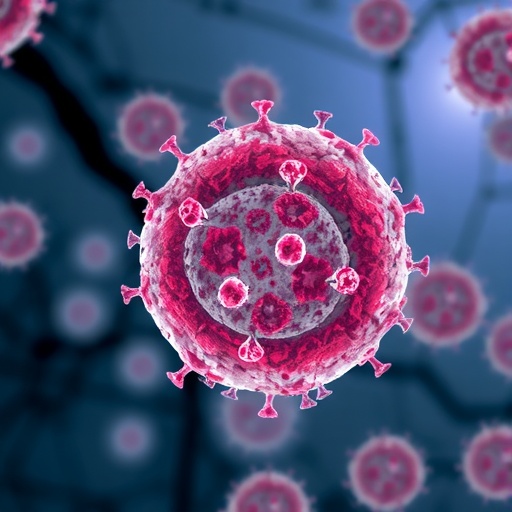
Mesenchymal stem cells, or MSCs, have long attracted attention in regenerative medicine for their ability to modulate inflammation and promote tissue repair. Intriguingly, much of their therapeutic benefit appears not to come from the cells themselves engrafting into damaged tissue, but from the cargo they release. Chief among these secreted products are small extracellular vesicles, or sEVs, nanoscale membrane-bound particles typically ranging from roughly 30 to 150 nanometers in diameter. These vesicles ferry proteins, lipids, and regulatory RNAs between cells, acting as intercellular messengers. Because they can be manufactured, stored, and dosed like a biologic drug, sEVs sidestep many of the logistical and safety concerns that accompany live-cell therapy, including the risks of immune rejection and unwanted engraftment. Yet exactly how MSC-sEVs protect the liver in acute failure has remained murky, and without a clear mechanism, rational improvement of such therapies has been difficult.
The new study, led by researchers at The Third Affiliated Hospital of Sun Yat-sen University in Guangzhou, set out to close that gap. The team isolated small extracellular vesicles from mesenchymal stem cells and characterized them using standard quality-control approaches, including nanoparticle tracking analysis to determine vesicle concentration and size distribution, and transmission electron microscopy to confirm the characteristic cup-shaped morphology of sEVs. With the vesicle preparation validated, the researchers turned to a well-established mouse model of acute liver failure induced by co-administering lipopolysaccharide (LPS), a bacterial endotoxin, and D-galactosamine (D-GalN), a compound that selectively sensitizes hepatocytes to inflammatory death. This combination triggers a catastrophic cascade of tumor necrosis factor-α (TNF-α)-driven hepatocyte apoptosis and overwhelming hepatic inflammation that closely mirrors the clinical picture of fulminant liver failure.
The results in mice were striking. Animals that received MSC-sEVs showed significantly improved liver histology under hematoxylin and eosin staining, indicating far less hepatocyte destruction and tissue disarray compared with vehicle-treated controls. Consistent with this, serum levels of alanine aminotransferase (ALT) and aspartate aminotransferase (AST), the classic enzymes that spill into the bloodstream when hepatocytes rupture, dropped markedly in treated animals. Most importantly, MSC-sEV administration enhanced survival in the ALF mice, a translationally meaningful endpoint that goes beyond biochemical improvement. The vesicles were not merely blunting laboratory markers of injury; they were keeping the animals alive.
To understand how, the researchers performed transcriptomic profiling of liver tissue, comparing gene expression patterns across healthy controls, untreated ALF mice, and MSC-sEV-treated ALF mice. Using standard bioinformatics pipelines for identifying differentially expressed genes and mapping them to Gene Ontology and KEGG pathways, they uncovered a telling pattern. Acute liver failure livers showed downregulation of NEMO, also known as IKKγ, the regulatory scaffold protein that sits at the heart of the canonical NF-κB signaling pathway. In healthy hepatocytes, NEMO is indispensable: when TNF-α binds its receptor, a signaling complex assembles involving TRADD and RIPK1, and NEMO activates the IκB kinase (IKK) complex. IKK phosphorylates IκB, the molecular brake that holds NF-κB in the cytoplasm, allowing the transcription factor NF-κB (specifically the p65 subunit) to translocate into the nucleus and switch on a battery of pro-survival and anti-apoptotic genes. Among the most important of these is c-FLIP, the cellular FLICE-like inhibitory protein, which blocks the caspase-8 executioner cascade at the death receptor and prevents apoptosis from proceeding.
The transcriptomic data suggested that MSC-sEVs restored NEMO expression in failing livers, and the researchers went on to verify this experimentally at both the messenger RNA and protein levels. Downstream, the effects were equally clear. In vesicle-treated animals and in cultured hepatocytes injured with hydrogen peroxide, the team observed increased phosphorylation of IκB, indicating an activated IKK complex, and enhanced nuclear translocation of NF-κB p65, the hallmark of pathway activation. Levels of c-FLIP rose correspondingly, while cleaved caspase-3, the executioner enzyme that dismantles the cell during apoptosis, declined. Inflammation and cell death both receded, in vivo and in vitro. The vesicles, in effect, were re-teaching濒 dying hepatocytes how to resist the TNF-α death signal.
Crucially, the researchers then tested causality rather than mere correlation. When they overexpressed NEMO in hepatocytes, the cells became more resistant to death, reproducing the protective effect of the vesicles. Conversely, when they knocked down NEMO, the benefits of MSC-sEV treatment evaporated: c-FLIP induction failed, cleaved caspase-3 persisted, and hepatocyte survival fell. The same pattern held in living animals, where NEMO modulation reversed the hepatoprotective effects of vesicle administration. Together, these gain-of-function and loss-of-function experiments establish a NEMO-dependent mechanism as the linchpin of MSC-sEV therapy in acute liver failure. Without NEMO, the vesicles are powerless; with it, the NF-κB survival circuit hums.
The clinical implications are considerable. Acute liver failure currently offers few pharmacological options; management revolves around supportive care, management of encephalopathy and coagulopathy, and emergency transplantation when criteria are met. A therapy that could be administered systemically to stabilize patients, extend the window for transplant, or in the best cases avert the need for transplantation entirely, would represent a genuine advance. MSC-sEVs are attractive candidates because they are cell-free, can be produced under GMP conditions, are less immunogenic than whole cells, and in principle can cross biological barriers more easily than their parent cells. The identification of the NEMO-NFκB axis as their mechanistic target also raises the possibility of biomarker-guided therapy: measuring NEMO expression or NF-κB activity in patients might one day identify who is most likely to benefit.
As with any preclinical study, caveats remain. The findings derive from an LPS/D-GalN mouse model and from hydrogen peroxide-injured hepatocyte cultures, systems that capture key features of human ALF but not all of them. Dosing, timing, biodistribution, and long-term safety of MSC-sEV therapy in humans will require careful clinical trials, and questions remain about vesicle standardization between production batches. The study was conducted under ethical approval from the Laboratory Animal Ethics Committee of South China Agricultural University and the Ethics Committee of The Third Affiliated Hospital of Sun Yat-sen University, following ARRIVE 2.0 guidelines and the Declaration of Helsinki respectively, and the authors declare no competing interests. The work was supported by multiple Chinese national and provincial research programs, reflecting the priority being placed on extracellular vesicle therapeutics in the region.
Nevertheless, the study adds an important piece to the expanding puzzle of how mesenchymal stem cell derivatives heal tissue. It reframes MSC-sEV hepatoprotection not as a vague immunomodulatory effect but as a defined molecular intervention: restoring a master regulator of inflammatory survival signaling precisely at the point where acute liver failure switches hepatocytes from resilience to self-destruction. If the NEMO-NFκB axis proves as central in patients as it is in mice, the road from nanoscale vesicles to clinical hepatology may be shorter than many anticipated. For now, the result stands as a compelling demonstration that the smallest messengers a stem cell releases can carry instructions capable of pulling a failing organ back from the brink.
Subject of Research: MSC-derived small extracellular vesicles for the treatment of acute liver failure via NEMO-dependent activation of TNF/NF-κB signaling
Subject of Research: Medicine
Article Title: MSC-derived small extracellular vesicles enhance hepatocyte resilience in acute liver failure via activation of the NEMO-NFκB axis
Article References: Li, Z.-H., Wang, Z.-H., Yang, X.-H., Li, X.-L., Meng, S.-B., Shen, Q.-F., Wei, S.-Y., Wang, J.-Y., Liang, W., Chen, J.-F., Lin, B.-L., & Zhang, J. (2026). MSC-derived small extracellular vesicles enhance hepatocyte resilience in acute liver failure via activation of the NEMO-NFκB axis. Journal of Translational Medicine. https://doi.org/10.1186/s12967-026-08962-w
Image Credits: AI Generated
DOI: 10.1186/s12967-026-08962-w
Keywords: Acute liver failure, Mesenchymal stem cells, Small extracellular vesicles, NEMO-NFκB axis, Hepatocyte apoptosis, TNF-α signaling, c-FLIP, Inflammation, Hepatoprotection, Cell-free therapy
Cite Scienmag News
APA MLA Chicago
Drew Townsend. (September 9, 2026). MSC vesicles boost hepatocyte survival in liver failure by activating NEMO-NFκB. Scienmag. https://scienmag.com/msc-vesicles-boost-hepatocyte-survival-in-liver-failure-by-activating-nemo-nf%ce%bab/
Drew Townsend. “MSC vesicles boost hepatocyte survival in liver failure by activating NEMO-NFκB.” Scienmag, 9 September 2026, https://scienmag.com/msc-vesicles-boost-hepatocyte-survival-in-liver-failure-by-activating-nemo-nf%ce%bab/. Accessed 9 September 2026.
Drew Townsend. “MSC vesicles boost hepatocyte survival in liver failure by activating NEMO-NFκB.” Scienmag. September 9, 2026. https://scienmag.com/msc-vesicles-boost-hepatocyte-survival-in-liver-failure-by-activating-nemo-nf%ce%bab/
Copy citation Download RIS
Tags: acute liver failure managementcell-free liver therapycell-free regenerative therapyextracellular vesicles in liver repairextracellular vesicles in regenerative medicinehepatocyte apoptosis preventionhepatocyte survival in liver failurehepatocyte survival mechanismsinflammation modulation in liver diseaseinflammatory cell death in liver diseaseliver failure treatmentliver failure treatment strategiesliver transplantation alternativesmesenchymal stem cell secretomesmesenchymal stem cell-derived vesiclesmolecular mechanisms of MSC vesiclesmolecular targets for liver regenerationMSC secreted extracellular vesiclesMSC-derived vesiclesnanovesicle-based therapeutic strategiesNEMO-NFκB signaling pathwaytherapeutic potential of sEVs