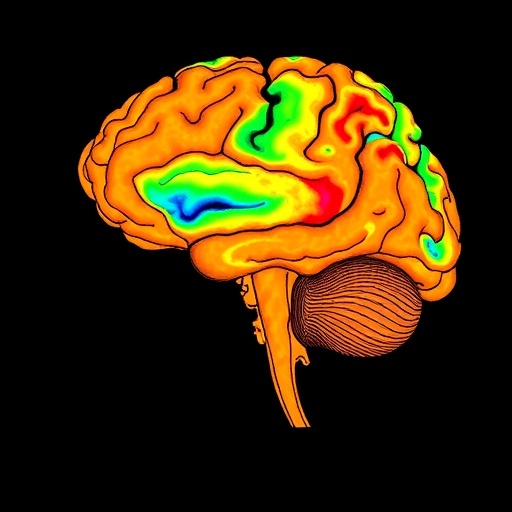
In a groundbreaking study soon to be published, researchers Saniee, Pouretemad, and Mokhtari have turned their focus on understanding the intricate dynamics of motivation and its profound effects on cognitive flexibility in children diagnosed with autism spectrum disorder (ASD). The study highlights a dual lens of motivation: intrinsic and extrinsic, and how these forces intertwine to influence cognitive processes in young children navigating the challenges of autism. As autism continues to be a focal point of neurological and psychological research, the data emerging from this study provides significant insights that could reshape educational strategies and therapeutic interventions.
Cognitive flexibility is a crucial component of executive functioning, enabling individuals to adapt to new situations, shift perspectives, and modify approaches based on changing environments. For children with autism, enhancing cognitive flexibility is critical, as these children often struggle with rigid thinking patterns and difficulties in social adaptation. The study argues that leveraging motivation can be a pivotal strategy in fostering better cognitive outcomes for these children, offering a fresh perspective on existing therapeutic frameworks.
Adults and children alike experience motivation differently, but what is particularly interesting in the context of autism is the unique interplay between intrinsic motivation—driven by internal satisfaction or interest—and extrinsic motivation, which relies on external rewards or recognition. The researchers emphasize that understanding this balance is essential in tailoring approaches that resonate with children on the spectrum. One of the most illuminating findings in their work is that intrinsic motivation often leads to more sustainable engagement in learning tasks, implying that harnessing a child’s inherent interests could be highly beneficial.
Indicators suggest that when a child with autism exhibits intrinsic motivation towards a task, they are more likely to invest mental resources, leading to enhanced performance and cognitive flexibility. Intriguingly, this support for intrinsic motivation may also contribute to improved emotional regulation, which is often a challenge for those on the autism spectrum. This emotional stability is essential, as it allows children to better handle stressors, navigate social interactions, and undertake complex tasks without succumbing to anxiety or frustration.
Conversely, extrinsic motivation can also play a significant role, particularly in incentivizing certain behaviors or skills that may not naturally captivate a child’s interest. Rewards, praise, or structured incentives can spark initial engagement in tasks that may otherwise feel daunting. However, the researchers caution against an over-reliance on extrinsic motivators. Over time, if children become too dependent on these external cues, it could undermine their desire to engage with activities that require deeper cognitive engagement or lead to a decline in intrinsic motivation.
The researchers conducted a series of observational studies and controlled experiments to gather qualitative and quantitative data regarding the interaction of motivation types in cognitive tasks. They identified key patterns suggesting that when children were allowed to operate within their areas of interest, cognitive flexibility increased significantly. Furthermore, the results indicated best practices for educators and therapists alike: creating environments that nurture intrinsic motivation while incorporating structured external rewards to establish consistency and progress.
This nuanced understanding of motivation offers a pathway for developing tailored interventions that align with a child’s unique preferences and challenges. For example, strategies like gamified learning or interest-based group activities could be effectively integrated into educational settings to promote cognitive flexibility while ensuring that children remain engaged and motivated. Such adaptations could lead to breakthroughs not only in educational achievement but also in social skills and emotional health.
The implications for parents, educators, and therapists are profound. By fostering an environment that prioritizes intrinsic motivation, adults can support children in becoming self-directed learners, cultivating their interests in a manner that promotes exploration and curiosity. Moreover, training programs focused on recognizing and reacting to intrinsic versus extrinsic motivators could equip caregivers with the tools necessary for enthusiastic, responsive engagement.
In summary, the research by Saniee, Pouretemad, and Mokhtari contributes significantly to our understanding of autism and cognitive flexibility while shedding light on motivational dynamics that can be transformative in intervention strategies. Their findings may also inspire further research into age-specific or individual-specific elements of motivation, ushering in a new era of personalized approaches in autism therapy.
As this vital research prepares for publication in the Journal of Autism and Developmental Disorders, it stands as a beacon of hope and innovation for those who work tirelessly to support and understand the unique experiences of children with autism. With continued exploration and support for such studies, a future where cognitive flexibility in children with autism is more readily achievable seems within reach.
Subject of Research: The impact of extrinsic and intrinsic motivation on cognitive flexibility in children with autism.
Article Title: How Extrinsic and Intrinsic Motivation Impact Cognitive Flexibility in Children With Autism.
Article References:
Saniee, S., Pouretemad, H.R., Mokhtari, S. et al. How Extrinsic and Intrinsic Motivation Impact Cognitive Flexibility in Children With Autism.
J Autism Dev Disord (2025). https://doi.org/10.1007/s10803-025-07122-1
Image Credits: AI Generated
DOI: https://doi.org/10.1007/s10803-025-07122-1
Keywords: autism, cognitive flexibility, motivation, intrinsic, extrinsic, executive function, educational strategies, therapeutic interventions, emotional regulation, learning engagement.
Tags: cognitive flexibility in autism spectrum disordereducational strategies for autistic childrenemotional and cognitive development in childrenenhancing cognitive flexibility strategiesexecutive functioning in autismintrinsic and extrinsic motivation effectsmotivation in autistic childrenmotivation’s impact on learningnavigating social challenges in autismresearch on autism and motivationrigid thinking patterns in autismtherapeutic interventions for autism