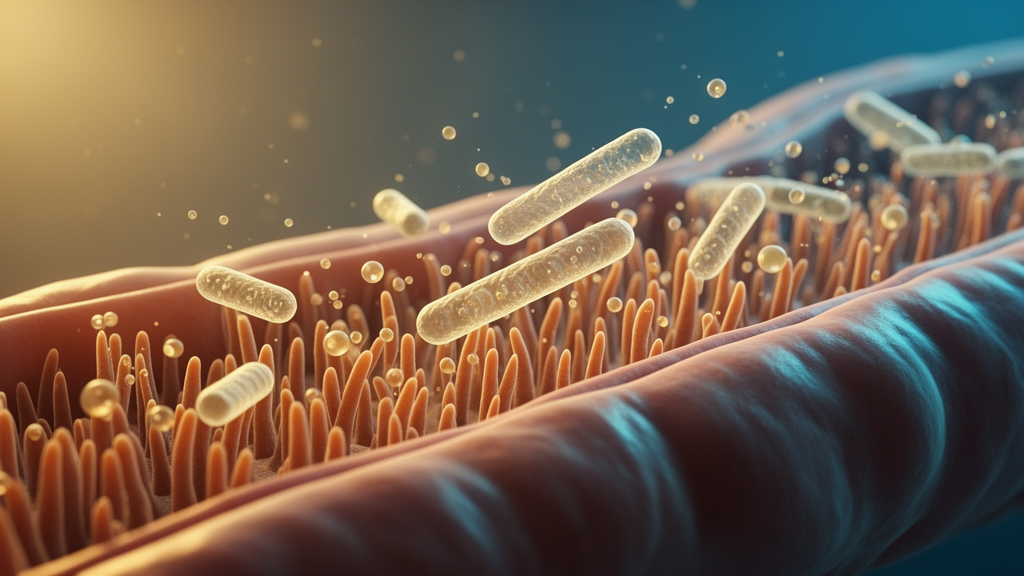
A scientific review published in Agriculture and Food Security synthesizes the structural and functional dynamics of the poultry gut microbiome alongside targeted nutritional, management, and technological strategies designed to enhance avian health, feed efficiency, and production sustainability. Authored by Mercy Chisara Ogwuegbu and colleagues, the paper demonstrates how the gastrointestinal tract operates far beyond simple nutrient digestion. The poultry gut microbiota—an intricate ecosystem comprising bacteria, fungi, viruses, and archaea—acts as an active participant in host physiology, regulating immune responses, maintaining mucosal integrity, and defending against enteric pathogen colonization. However, intensive commercial farming exposes birds to environmental stressors, high stocking densities, and suboptimal diets that disrupt gut integrity and microbial balance, inducing dysbiosis. Disruptions to this balance compromise the epithelial barrier, increasing vulnerability to pathogens such as Salmonella, Campylobacter, and Clostridium while depressing overall productivity. This comprehensive synthesis integrates nutritional interventions, environmental controls, and precision technologies into an actionable sustainability framework.
The establishment of avian gut microbiota begins shortly after hatching, when chicks encounter exogenous microorganisms that seed the gastrointestinal baseline. As poultry age, their microbiota undergoes successional shifts, with facultative anaerobes progressively replaced by obligate anaerobes as the intestinal environment matures. Distinct bacterial communities colonize specific regions throughout the digestive tract. The crop and gizzard are dominated by Lactobacilli and Streptococci, registering densities between 103 and 104 colony-forming units per gram. In the small intestine, the duodenum harbors the lowest bacterial density, consisting primarily of Lactobacilli and Bifidobacteria. Lactobacilli, Enterococci, and Clostridiaceae populate the jejunum, whereas the ileum contains the richest small-intestinal community, featuring Streptococci, Bacteroides, Clostridia, Escherichia coli, Ruminococci, Enterococci, and Lactobacilli. The ceca harbor a more diverse, abundant, and stable community composed of Bacillus, Clostridium, Enterococcus, and Ruminococcus. The cloaca exhibits similarly diverse populations, harboring Clostridia, Streptococci, Enterococci, and Escherichia coli, reflecting progressive regional specialization along the intestinal axis.
Preserving gut lining integrity is central to bird performance, immunity, and nutrient absorption, operating as a barrier that allows nutrient entry while blocking pathogens and toxins. While providing morphological insight, histological examination of the villus height to crypt depth ratio is labor-intensive, time-consuming, and restricted to specialized laboratories. Consequently, researchers have evaluated three complementary categories of biomarkers. The first encompasses host protein indicators of barrier failure, including plasma proteins in gut contents, epithelial and acute-phase proteins in blood, and inflammatory markers from bacterial translocation to the liver, alongside non-invasive fecal scoring and fecal DNA or RNA analysis. The second category monitors circulating microbial metabolites, macromolecules, digestive enzymes like amylase, protease, and lipase, and oxidative stress enzymes including catalase and superoxide dismutase. The third category tracks microbiota patterns via 16S ribosomal RNA sequencing to profile bacterial composition and detect dysbiosis.
Nutrient absorption and feed conversion efficiency rely on an integrated interplay of host digestion and microbial fermentation within the gastrointestinal tract. Host enzymes break down macronutrients—proteases digest proteins, lipases digest fats, and amylases digest carbohydrates into absorbable units. Concurrently, cecal microbial fermentation generates short-chain fatty acids, predominantly acetate, propionate, and butyrate, which support epithelial mucosal health, stimulate nutrient transport, and contribute to energy metabolism. A balanced gut microbiota competitively excludes pathogens from attachment sites, maintaining the barrier and preventing leaky gut syndrome. Feed conversion efficiency, measuring feed needed per kilogram of weight gain, is governed by mucosal architecture, enzyme activity, and microbial balance. Broilers exhibiting high apparent metabolizable energy utilization and rapid growth harbor enriched bacterial phylotypes, with cecal Firmicutes and Bacteroidetes ratios correlating with body weight. Furthermore, commensal Lactobacillus species produce short-chain fatty acids and bacteriocins that lower intestinal pH, inhibiting pathogenic colonization and supporting sustained growth performance.
Targeted nutritional strategies modulate the gut ecosystem through probiotics and prebiotics, enhancing barrier maturation and immune function. Probiotics—live taxa including Bacillus, Bifidobacterium, Enterococcus, Escherichia, Lactobacillus, Lactococcus, Streptococcus, and yeasts—modulate the microbial ecosystem and exclude pathogens. Spore-forming Bacillus species prove particularly resilient under practical farm conditions; their supplementation increases serum immunoglobulins IgA and IgG, demonstrating reinforced humoral immunity. Research indicates probiotics diversify gut microbiota and improve body weight gain and short-chain fatty acid production, exemplified by Bacillus species and Pediococcus pentosaceus. Complementing microbial inoculants, prebiotics are non-digestible feed components that selectively foster beneficial Bifidobacterium and Lactobacillus. Beta-glucans provide immunomodulatory benefits by elevating IgA-secreting cells, IgG, and goblet cell numbers, increasing resistance against Salmonella. Fructooligosaccharides boost activities of digestive enzymes, including amylase, protease, and leucine aminopeptidase, while improving feed conversion ratios. Prebiotics also increase antibody titers against infectious bursal disease, upregulate mucin expression, and stabilize mucosal enterocyte turnover against pathogenic degradation.
Fermented feeds improve gut health by enriching beneficial microbes, lowering anti-nutritional factors, and enhancing nutrient bioavailability through biochemical transformations. Protein-based fermented feeds elevate crude protein, reduce crude fiber, and improve digestibility while mitigating heat stress in monogastric animals. Energy-based fermented substrates increase caloric density and reduce anti-nutritional compounds, supporting feed efficiency. Fermentation lowers feed pH, boosts lactic acid bacteria, increases lactic and acetic acids, and suppresses Enterobacteria while detoxifying compounds such as gossypol and saponins. In broilers, fermented soybean meal reduced Salmonella colonization and heterophil-to-lymphocyte ratios while improving mucosal morphology and growth. Similarly, geese fed Bacillus subtilis-fermented alfalfa meal exhibited increased antioxidant enzymes, elevated digestive enzyme activity, enriched cecal bacteria, and reduced coliform counts. However, trial results display variability; fermented rapeseed meal improved broiler weight gain in specific experiments, whereas other studies replacing soybean meal observed no significant changes, underscoring the influence of substrates, inoculants, and variable environmental stressors.
Nutritional supplements, including vitamins, exogenous enzymes, amino acids, and bioactive phytochemicals, directly support mucosal integrity and oxidative balance. Exogenous enzymes derived from microbes like Bacillus subtilis, Trichoderma reesei, and Aspergillus niger degrade complex feed matrices, generating prebiotic oligosaccharides and replacing antibiotic growth promoters. Multi-enzyme blends featuring amylase, protease, cellulase, beta-glucanase, phytase, pectinase, and pentosanase break down wheat arabinoxylans, reducing litter moisture and pathogen loads. Micronutrient management proves equally vital; chronic vitamin deficiencies impair immune development more than macronutrient deficits. Vitamin B2 supports anaerobic bacteria like Faecalibacterium prausnitzii as a redox mediator that mitigates oxidative stress, while vitamins A and D maintain epithelial barriers and regulate microbial populations. Furthermore, supplementing heat-stressed broilers with amino acid-chelated trace minerals suppresses inflammatory cytokines and heat shock proteins.
Biosecurity, housing design, and environmental parameters directly influence avian welfare, immunity, and gut integrity. Overcrowding elevates stress and degrades litter quality, driving increased ammonia emissions. Doubling stocking density from 10 to 20 birds per square meter increases atmospheric ammonia from 3.5 mg/L to over 30 mg/L, impairing respiratory defenses and disease resistance. Ammonia concentrations exceeding 25 ppm diminish hemagglutination antibody levels in Newcastle Disease Virus-vaccinated chickens, predisposing flocks to secondary Escherichia coli infections. In housing management, high-rise buildings storing manure generate severe ammonia accumulations during winter ventilation cutbacks. In contrast, manure-belt systems provide frequent waste removal, improving air quality. Litter management proves essential; bedding materials with high absorbency and antibacterial properties, such as wood shavings, maintain lower ammonia levels than sand or rice hulls. Chemical amendments like aluminum sulfate lower ammonia volatilization by up to 30 percent, while ceiling and pit ventilation designs achieve ammonia reductions up to 42 percent in comparative livestock models.
Emerging technological innovations—including artificial intelligence, precision feeding, and nanotechnology—are transforming modern poultry gut health management. Machine learning algorithms process complex datasets from microbiome sequencing, environmental sensors, and behavioral tracking to detect biological patterns invisible to manual inspection. AI models facilitate predictive disease surveillance, anticipating dysbiosis and pathogen emergence ahead of clinical symptoms to enable timely preventive interventions. Precision feeding operationalizes this computational power by administering dynamically tailored diets that match individual variations in metabolism and microbiome composition. Nanoparticles of iron and selenium demonstrate immunostimulatory and antioxidant effects in poultry, while emerging nanosensors detect luminal pH, short-chain fatty acids, and pathogen metabolites for real-time health monitoring.
Advanced omics technologies—including metagenomics, metabolomics, and quantitative proteomics—propel poultry research beyond basic taxonomy into functional host-pathogen and host-commensal mechanisms. Metagenomic sequencing maps microbial community structures, metabolic pathways, and antibiotic resistance genes across intestinal regions, highlighting the cecum as a specialized functional niche for fermentation and pathogen defense. Metabolomics profiles microbial metabolites, including short-chain fatty acids and bile acids, serving as functional biomarkers that link microbial activity to host metabolism and barrier integrity. Quantitative proteomics elucidates host and microbial protein expression governing enzyme activity, nutrient transport, and immune defenses. Integrating multi-omics datasets with bioinformatics models enables precision interventions, such as tailored enzyme cocktails and targeted fibers. Nevertheless, significant challenges persist, including inconsistent microbiome responses across poultry lines, technical hurdles in probiotic formulation, and high capital costs that limit adoption by small-scale producers. Addressing these barriers requires multidisciplinary research, standardized assessment frameworks, transparent predictive models, and supportive policy incentives to ensure sustainable, resilient poultry production.
Subject of Research: Poultry gut microbiome modulation and health optimization strategies
Article Title: Modulating the gut microbiome: strategies for improved poultry health and productivity
Article References: Ogwuegbu, M. C., Ali, L. C., Chukwudi, P., Innocent, T. Z., Mthiyane, D. M. N., Okpanachi, U., & Machebe, N. S. (2026). Modulating the gut microbiome: strategies for improved poultry health and productivity. Agriculture & Food Security, 14(1), Article 60. https://doi.org/10.1186/s40066-025-00582-9
Image Credits: AI Generated
DOI: 10.1186/s40066-025-00582-9
Keywords: poultry gut microbiome, gastrointestinal integrity, feed conversion efficiency, probiotics, prebiotics, fermented feeds, exogenous enzymes, cecal fermentation, short-chain fatty acids, villus height crypt depth, ammonia mitigation, precision feeding, poultry biosecurity, nanotechnology, multi-omics profiling, Salmonella exclusion, microbiome dysbiosis, fructooligosaccharides
News Source: Morgan Morrow. (November 12, 2026). Modulating Poultry Gut Microbiome Enhances Disease Resistance and Feed Conversion Efficiency. Scienmag.