


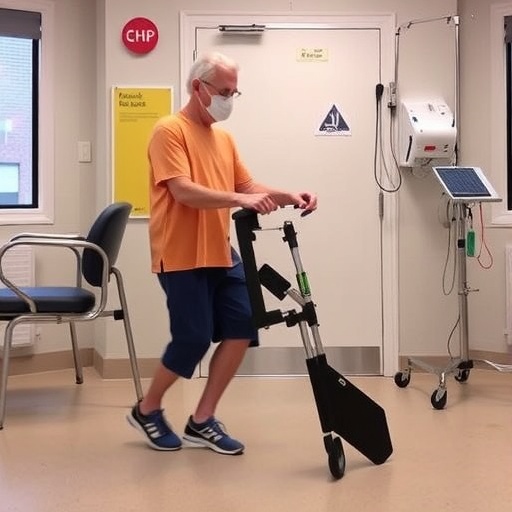
In a groundbreaking study published in the European Geriatric Medicine journal, researchers have unveiled critical links between hemoglobin levels, transferrin saturation, and their effects on mobility and physical function in patients recovering from hip fracture surgery. With the global demographic trend skewing towards an older population, understanding the variables that contribute to the recovery of this demographic is paramount. The findings of this observational cohort study conducted by Aasbrenn and colleagues come as a crucial contribution to geriatric medicine, emphasizing not just the surgical outcomes but also the metabolic and systemic factors that influence recovery.
Hip fractures are a common injury among the elderly, often leading to significant morbidity and mortality rates. Post-surgical recovery typically demands a comprehensive rehabilitation program aimed at restoring physical function. However, optimal outcomes are often hampered by underlying medical issues that can complicate healing. This study aims to bridge that gap by drawing attention to hemoglobin and transferrin saturation as key markers that could influence rehabilitation success. These markers are primarily associated with iron metabolism, hemoglobin’s role in oxygen transport, and overall energy levels crucial for physical activity.
The retrospective analysis drew its data from a cohort of elderly patients, all of whom underwent surgical treatment for hip fractures. The authors postulate that measuring hemoglobin and transferrin saturation prior to surgical intervention may yield insights into an individual’s potential for recovery. As the body’s primary vehicle for oxygen transport, hemoglobin serves as an indicator of nutrient availability and systemic health. When hemoglobin levels are low, oxygen delivery to tissues diminishes, potentially delaying healing and recovery processes.
Interestingly, transferrin saturation, which reflects the iron-binding capacity of blood, also plays a pivotal role in the healing journey. Iron is not only fundamental for hemoglobin production but is also crucial for various enzymatic processes involved in tissue repair. This indicates a dual pathway where both hemoglobin and iron levels can significantly influence post-operative rehabilitation trajectories. The research thereby highlights the need for a multi-faceted approach in post-surgical assessments, one that includes nutritional markers.
The study also underlines the importance of timely interventions for managing anemia and iron deficiency in this vulnerable population. For elder patients who are already at risk for mobility limitations post-fracture, any additional burden brought on by suboptimal hemoglobin or liver function can exacerbate challenges in rehabilitation. It raises a pertinent point – should healthcare practitioners routinely screen for these blood parameters before and after surgery to optimize recovery outcomes?
Subsequently, the researchers emphasize the need for tailored nutritional strategies that target iron levels and enhance hemoglobin concentrations in post-operative care. The findings advocate for an integrated care model which not only focuses on surgical techniques but also prioritizes pre and post-operative nutritional management. Such an initiative could pave the way for improved clinical pathways, resulting in enhanced recovery, shorter rehabilitation times, and ultimately, better quality of life for elderly patients.
Moreover, the implications extend beyond immediate post-operative care; they present a transformative perspective on long-term mobility and function among the elderly. As a demographic that is increasingly requiring surgical interventions, understanding these interactions becomes a vital component for geriatric care frameworks. This new body of evidence may incite healthcare policymakers to rethink their strategies for managing surgical patients by incorporating essential blood markers as part of standard practice.
In the broader context of geriatric medicine, this research raises questions about how other metabolic parameters may similarly impact the recovery trajectory following surgical interventions. Could factors such as vitamin D levels, calcium metabolism, or inflammatory markers also provide valuable insights into post-operative recovery? The potential for exploiting a range of biological markers to inform clinical decisions is immense and could shift how geriatric surgical care is approached.
Given these findings, the article encourages clinicians to maintain heightened surveillance concerning hemoglobin and transferrin saturation levels in elderly patients engaged in rehabilitation following hip fractures. As this research unveils, the implications of overlooking these aspects could hinder recovery and exacerbate disability rates. Thus, it would be prudent for healthcare professionals to adopt a more holistic approach to patient recovery regimes, focusing on the intertwined roles of nutrition, metabolism, and surgical outcomes.
This research represents an essential stride towards optimizing recovery protocols for hip fracture surgeries among older populations, thereby enhancing their mobility and overall physical function within such critical recovery periods. In an era where geriatric care is placed under the spotlight, studies like this amplify the dialogue around innovative strategies to boost surgical outcomes and tailored patient care.
The crux of this compelling research is not merely in the findings but also in the direction it sets for future studies, posing essential questions about the intricate relationships that underlie recovery in the elderly. As we move forward, the emphasis on a patient-centric approach that meticulously attends to biochemical markers, alongside traditional rehabilitation routines, could revolutionize how we perceive recovery from surgical interventions in geriatric patients.
As the medical community absorbs the findings of this important study, it stands at an exciting precipice where science and practical application merge. Such integration will ultimately help in reshaping rehabilitation strategies, with the ultimate goal of fostering better health outcomes for those most vulnerable to mobility limitations and functional impairments.
Subject of Research:
The association between hemoglobin, transferrin saturation, mobility, and physical function post-hip fracture surgery in elderly patients.
Article Title:
Hemoglobin and transferrin saturation are associated with mobility and physical function two months after hip fracture surgery: an observational cohort study.
Article References:
Aasbrenn, M., Jones, N.T., Svensson, C.K. et al. Hemoglobin and transferrin saturation are associated with mobility and physical function two months after hip fracture surgery: an observational cohort study. Eur Geriatr Med (2026). https://doi.org/10.1007/s41999-026-01407-z
Image Credits:
AI Generated
DOI:
16 January 2026
Keywords:
hemoglobin, transferrin saturation, hip fracture, mobility, elderly care, rehabilitation.
Tags: comprehensive rehabilitation for elderly patientselderly patient rehabilitationgeriatric medicine researchhemoglobin levels and mobilityhip fracture surgery outcomesiron metabolism and healingmobility improvement post-fracturemorbidity and mortality in hip fracturesphysical function after surgerypostoperative recovery in older adultssystemic factors in recoverytransferrin saturation and recovery



