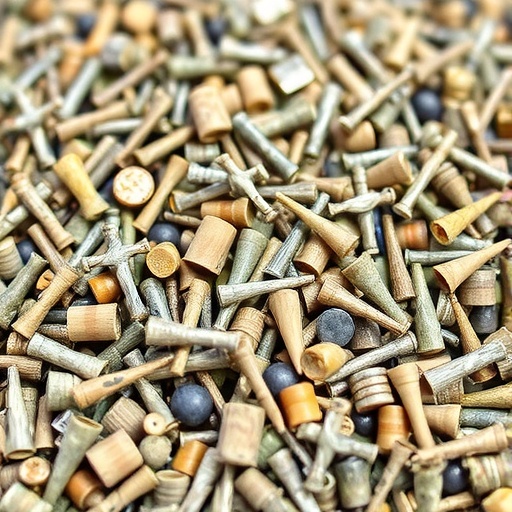
The Hidden Menace Beneath the Waves: Microplastic Pollution in Tokyo Bay Unveiled
In a groundbreaking study that promises to reshape our understanding of aquatic pollution, researchers have delved deep into the complex microcosm of microplastic contamination in Tokyo Bay. This large-scale investigation rigorously examines the size-specific distribution, morphological characteristics, and polymer composition of microplastic particles found both in surface waters and sediments. The findings expose not only the magnitude of contamination but also the intricate nature of microplastic pollution, highlighting both environmental and ecological repercussions of this pervasive threat.
Tokyo Bay, an essential hub of economic activity, trade, and biodiversity in Japan, has long been suspected of harboring significant levels of microplastic pollution. However, comprehensive data detailing the types and sizes of microplastics present, along with their chemical compositions, remained sparse until now. The meticulous approach adopted by the research team offers fresh insight into the spatial distribution patterns of these particles, shedding light on how various sources and environmental processes influence microplastic accumulation in different aquatic environments.
The study’s methodology incorporated advanced sampling techniques to capture an extensive range of microplastic particles from the bay’s surface water and sediment layers. Sophisticated microscopy tools allowed researchers to characterize particle morphology, while state-of-the-art spectroscopic analyses identified the polymer types, providing crucial clues about the origins and persistence of these contaminants. Through this multi-dimensional lens, the research exposes a worrying prevalence of plastics varying in size from visible fragments down to submicron particles, each contributing uniquely to pollution dynamics.
Delving into morphological characteristics, the study categorizes microplastics by shape – a critical factor influencing their transport, degradation, and interaction with marine organisms. Fragmented pieces, fibers, and spheres appeared in varying proportions correlating with their respective environmental compartments. Surface waters predominantly exhibited fibrous plastics, possibly derived from synthetic textiles, while sediments harbored more irregular and fragmented shapes, indicating physical breakdown and accumulation processes. This morphological differentiation underscores the multifaceted nature of microplastic dispersal.
Analyzing size distribution revealed that microplastics tend to segregate based on particle dimension, which affects their interaction with marine life and the environment. Smaller particles displayed wide dispersion across both water columns and sediments, driven by their ability to remain suspended and infiltrate sediment pores alike. Conversely, larger particles were sometimes more localized, signaling specific point sources or limited mobility. These findings deepen our comprehension regarding microplastic transport mechanisms within aquatic ecosystems.
Polymer composition analysis exposed a diverse array of plastic types contaminating Tokyo Bay, with polyethylene (PE), polypropylene (PP), and polystyrene (PS) dominating the spectrum. These materials are commonly found in packaging, consumer goods, and industrial products, linking their spread directly to human activities. The persistence of these polymers, coupled with their potential to adsorb toxic compounds, raises alarms about cumulative ecological risks stemming from microplastic ingestion and chemical exposure by marine fauna.
Importantly, the juxtaposition of microplastic data between surface waters and sediments highlights dynamic environmental processes governing pollutant fate. Sedimentation rates, hydrodynamic conditions, and biological activities converge to modulate where and how these plastics accumulate, fragment, or even potentially biodegrade over time. Such spatial differentiation has vital implications for designing effective pollution management strategies, emphasizing the need for integrated monitoring approaches encompassing various compartments.
The ecological ramifications of widespread microplastic contamination are profound. Microplastics can act as vectors for hazardous chemicals, pathogens, and invasive species, fundamentally altering food web dynamics in Tokyo Bay’s rich biological habitats. Benthic organisms inhabiting polluted sediments face direct exposure through ingestion and physical interference, potentially impacting reproduction, growth, and survival rates. Predatory species higher up the trophic chain risk bioaccumulation, translating to broader biodiversity threats and economic repercussions for fisheries dependent on healthy ecosystems.
A notable contribution of this work lies in its implications for policy and environmental remediation. By clarifying the types and sources of microplastics prevalent in Tokyo Bay, scientists furnish policymakers with targeted data to devise more stringent regulations concerning plastic waste management, urban runoff control, and industrial discharge guidelines. The study’s findings encourage incorporation of size-specific pollutant profiles in environmental risk assessments, fostering tailored interventions addressing the complexities of microplastic pollution.
Moreover, the temporal scope of sampling suggests emerging trends that may parallel evolving consumer behaviors and waste disposal practices. Urbanization, growing population density, and increasingly diverse plastic usage patterns appear linked to fluctuating microplastic profiles in the bay. This points to urgent need for continuous monitoring initiatives aimed at capturing long-term changes and facilitating adaptive management frameworks to mitigate escalating environmental degradation.
Scientific community interest in marine microplastics has surged considerably, yet this research stands out by its integrative approach, combining size, shape, and chemical analyses across multiple environmental matrices. Such comprehensive characterization offers an exemplary model for future studies globally, highlighting the necessity to consider interrelated factors influencing microplastic dynamics. By moving beyond mere presence-absence data, the study enriches foundational knowledge critical to addressing a pervasive pollutant on a planetary scale.
Understanding the sources and pathways of microplastics is fundamental to controlling their spread. This investigation identifies major contributors including plastic debris from urban runoff, industrial effluents, and fragmented consumer products. Plastic fibers derive largely from domestic wastewater effluents laden with synthetic textile residues, while fragments are predominantly linked to the breakdown of larger plastic waste items. Pinpointing these inputs refines preventative efforts and champions innovations in waste treatment technologies.
Technological advancements in polymer identification underpin the precision of this study. Raman spectroscopy and Fourier-transform infrared spectroscopy (FTIR) enable micro-level compositional analyses, ensuring accurate polymer classification. These techniques not only authenticate the microplastic nature of samples but also help detect signs of weathering and degradation, providing essential clues about environmental aging processes and potential toxicity profiles linked to chemical transformations occurring in situ.
The broader significance of this study transcends Tokyo Bay, reflecting a global crisis posed by microplastic pollution. Coastal cities worldwide grapple with similar contamination challenges, intensified by population pressures and inadequate waste management infrastructures. Insights gathered here serve as a template for comparative assessments in other urbanized marine settings, facilitating coordinated international responses and underscoring the universal nature of the problem.
As microplastic research advances, its intersection with marine biology, toxicology, and environmental policy becomes increasingly crucial. The interdisciplinary approach embodied by this study echoes the multifaceted reality of contamination, calling upon diverse expertise for holistic solutions. The urgent message is clear: microplastic pollution is not a problem confined to oceans’ surfaces but permeates sediment layers and ecological niches, demanding comprehensive and sustained efforts for effective mitigation.
Ultimately, the revelations from Tokyo Bay reinforce the imperative of heightened public awareness and responsibility. Plastic consumption patterns, disposal habits, and participation in pollution reduction campaigns directly influence environmental health. By appreciating the complex behaviors of microplastics and their threats, society is better positioned to advocate for sustainable alternatives, promote circular economy principles, and safeguard aquatic ecosystems for future generations.
This landmark portrait of microplastic pollution within a vital coastal ecosystem represents a pivotal advancement in environmental science. The detailed depiction of particle size distribution, morphology, and polymer composition equips researchers, policymakers, and communities alike with the nuanced understanding necessary to confront one of the most insidious modern-day environmental hazards. As we look toward the future, studies such as this illuminate pathways toward cleaner waters and healthier oceans amidst growing anthropogenic pressures.
Subject of Research:
Size-specific distribution, morphology, and polymer composition of microplastic particles in surface water and sediments of Tokyo Bay
Article Title:
Size-specific distribution, morphology, and polymer composition of microplastic particles in surface water and sediments of Tokyo Bay
Article References:
Ueda, K., Kameda, Y., Fujita, E. et al. Size-specific distribution, morphology, and polymer composition of microplastic particles in surface water and sediments of Tokyo Bay. Micropl.& Nanopl. (2025). https://doi.org/10.1186/s43591-025-00168-z
Image Credits: AI Generated
Tags: advanced microscopy in pollution researchaquatic environment contaminationecological impact of microplasticseconomic activity and biodiversity in Tokyo Bayenvironmental repercussions of pollutionmicroplastic morphological characteristicsmicroplastic pollution Tokyo Baypolymer composition of microplasticssampling techniques for microplasticssources of microplastic accumulationspatial distribution of microplastic particlestypes and sizes of microplastics