


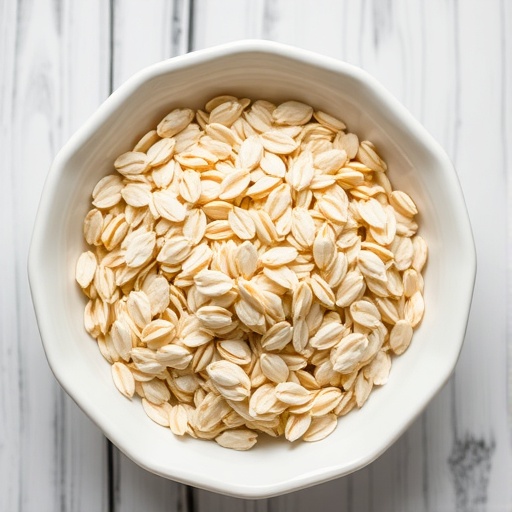
In a groundbreaking study poised to redefine dietary interventions for metabolic syndrome, researchers have unveiled compelling evidence that oats, long celebrated for their cardiovascular benefits, exert a cholesterol-lowering effect mediated by microbially produced phenolic metabolites. This revelation emerges from a rigorous randomized controlled trial published in Nature Communications in 2026, shedding new light on the intricate interplay between dietary fibers, gut microbiota, and systemic lipid metabolism.
Metabolic syndrome, a constellation of conditions characterized by insulin resistance, hypertension, dyslipidemia, and abdominal obesity, presents a formidable challenge to global health. Central to its pathology is elevated serum cholesterol, which notably increases the risk of cardiovascular disease. While oats have been historically recommended for their beta-glucan content and subsequent lipid-modulating properties, this novel study probes deeper into the mechanistic underpinnings, moving beyond mere fiber effects to unveil the critical role of gut microbial catabolism of oat-derived phenolics.
The randomized controlled trial enrolled subjects with well-defined metabolic syndrome, administering standardized oat interventions while meticulously monitoring serum lipid profiles and metabolomic changes over an extended period. What sets this study apart is the integration of advanced metagenomic and metabolomic profiling techniques, allowing the researchers to trace distinct phenolic metabolites generated through microbial action and correlate them with observed cholesterol reductions.
Initial analyses revealed that oat consumption prompted significant shifts in the gut microbiome composition, with an increase in specific bacterial taxa known for their capacity to biotransform complex phenolic compounds. These microbial conversions yielded a suite of bioactive phenolic metabolites, which entered systemic circulation and exerted multifaceted effects on hepatic cholesterol biosynthesis pathways. Importantly, the study elucidates that these metabolites act as modulators of key enzymes, including HMG-CoA reductase and LDL receptor expression, synergistically contributing to the robust cholesterol-lowering outcome.
This discovery advances the paradigm that dietary interventions’ efficacy hinges not solely on the intrinsic properties of consumed nutrients but also on the dynamic, responsive nature of the gut microbiome. It underscores the potential for therapeutic strategies targeting microbiota-mediated metabolism to enhance the benefits of functional foods like oats, tailoring interventions to individual microbial profiles for optimized lipid regulation.
Furthermore, the trial addressed the pharmacokinetic dimensions of these phenolic metabolites, documenting their absorption, plasma half-life, and tissue distribution. Such insights illuminate their bioavailability and capacity to reach target organs, providing a comprehensive understanding of their systemic impact. The researchers also explored the secondary signaling cascades modulated by these compounds, which include anti-inflammatory and antioxidative pathways well known to attenuate atherosclerotic progression.
Beyond the biochemical mechanisms, the clinical implications are striking. Participants demonstrated not only reductions in total and LDL cholesterol but also improvements in markers of endothelial function and systemic inflammation, cumulatively mitigating cardiovascular risk profiles. These outcomes reinforce oats as a functional dietary adjunct in managing metabolic syndrome, with the newly discovered microbiome-mediated pathways offering explanations for interindividual variability observed in previous clinical trials.
This study also contributes invaluable data to the burgeoning field of precision nutrition. By characterizing gut microbial phenolic metabolism, it paves the way for biomarker development that could predict responsiveness to oat interventions. Such advances hold the promise of personalized dietary prescriptions, maximizing therapeutic efficacy while minimizing trial-and-error approaches in lifestyle management.
The interdisciplinary methodology employed—combining clinical nutrition, microbiology, metabolomics, and molecular biology—exemplifies the integrative research necessary to unravel diet-microbiome-host interactions in complex human diseases. This holistic approach addresses longstanding questions about the mechanisms linking whole-food consumption to systemic metabolic benefits often observed but poorly understood.
In the broader context of public health, these findings carry significant implications. With metabolic syndrome prevalence escalating worldwide, accessible and affordable interventions like oat supplementation could serve as scalable, non-pharmacological strategies to reduce cardiovascular morbidity. Moreover, understanding the gut microbial contributions to these effects highlights the importance of preserving microbiome diversity through diet and lifestyle, offering additional avenues for intervention.
The study’s robust design, including placebo controls, longitudinal follow-up, and multi-omics analyses, ensures high confidence in its conclusions. Nevertheless, the authors note the necessity for further research into the long-term sustainability of these effects and explore the potential influence of other dietary components on microbiota-driven phenolic metabolism.
Concluding, the elucidation of microbially produced phenolic metabolites as key mediators of oats’ cholesterol-lowering action represents a milestone in nutritional science and metabolic disease management. It opens exciting possibilities for leveraging the gut microbiome to potentiate functional food benefits and heralds a new chapter in combating metabolic syndrome through diet-modulated microbial pathways.
As ongoing studies validate and expand these findings, they will undoubtedly inform clinical guidelines and public health policies, promoting a microbiome-informed perspective in dietary recommendations. Such advancements not only reinforce the timeless value of oats in human nutrition but also spotlight the complex, symbiotic relationships between food, microbes, and human health that drive metabolic well-being.
Subject of Research: The cholesterol-lowering effects of oats mediated by microbially produced phenolic metabolites in individuals with metabolic syndrome.
Article Title: Cholesterol-lowering effects of oats induced by microbially produced phenolic metabolites in metabolic syndrome: a randomized controlled trial.
Article References:
Klümpen, L., Mantri, A., Philipps, M. et al. Cholesterol-lowering effects of oats induced by microbially produced phenolic metabolites in metabolic syndrome: a randomized controlled trial. Nat Commun (2026). https://doi.org/10.1038/s41467-026-68303-9
Image Credits: AI Generated
Tags: advanced metagenomic profiling in nutritioncardiovascular benefits of oatscholesterol management through dietcholesterol-lowering effects of oatsgut microbiota and lipid metabolisminsulin resistance and dietary fibersmetabolic syndrome dietary interventionsmicrobial phenolics in oatsoat-derived phenolic compoundsphenolic metabolites and healthrandomized controlled trial on oatssystemic lipid metabolism and diet



