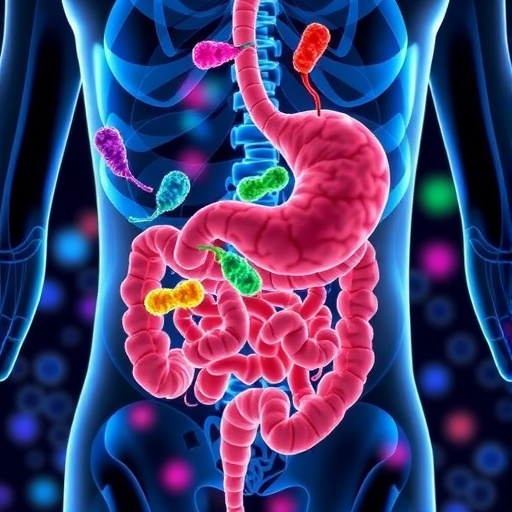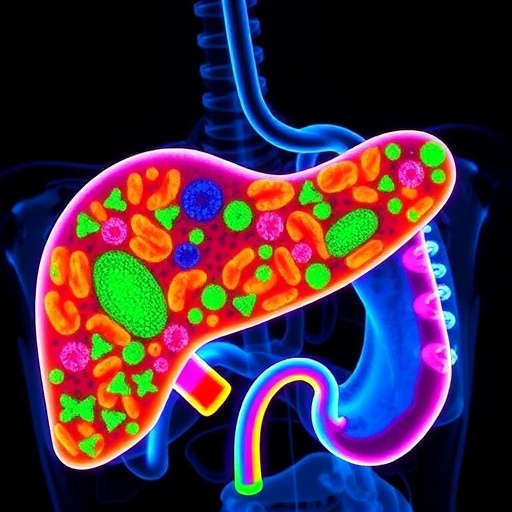
In recent years, visceral adipose tissue (VAT) has emerged as a pivotal factor in the development of metabolic disorders, with mounting evidence implicating it in the pathogenesis of chronic liver diseases. Visceral fat, unlike subcutaneous fat, is deeply embedded within the abdominal cavity, surrounding vital organs and exerting profound systemic metabolic effects. A groundbreaking study published in the International Journal of Obesity in April 2026 sheds new light on the intricate metabolic pathways linking VAT accumulation to metabolic dysfunction-associated steatotic liver disease (MASLD), cirrhosis, and hepatocellular carcinoma. By decoding the metabolic signatures predictive of VAT mass, researchers have opened a new frontier in understanding how this fat depot influences liver disease risk at a molecular level.
The liver plays a central role in regulating whole-body metabolism, and MASLD represents a spectrum of liver conditions ranging from simple steatosis to non-alcoholic steatohepatitis, potentially culminating in cirrhosis and hepatoma. VAT has long been suspected as a culprit in fueling systemic inflammation, insulin resistance, and lipotoxicity—key drivers of liver injury. Yet, the exact metabolic intermediates and signaling networks through which VAT exacerbates hepatic pathology have remained elusive. This study by Wang and colleagues employs sophisticated predictive modeling and metabolomic profiling to establish metabolic signatures tightly correlated with VAT volume, transcending mere fat quantification to elucidate biochemical crosstalk.
Advanced imaging techniques, combined with blood-based metabolomics, were utilized to predict visceral fat mass and identify associated metabolites. By integrating these data points, the research team revealed metabolic fingerprints that are not only indicative of VAT accumulation but also significantly correlated with an elevated risk of MASLD and advanced liver diseases. These signatures encompass alterations in amino acid metabolism, lipid species, and energy-regulating molecules, painting a complex biochemical landscape in which VAT acts as a hub influencing systemic metabolism and hepatic vulnerability.
One of the key findings from this study is the identification of specific metabolite classes that appear to mediate the pathological relationship between VAT and chronic liver conditions. Branched-chain amino acids (BCAAs), for instance, were found at elevated levels in individuals with high VAT mass. Dysregulation of BCAA metabolism has been linked with insulin resistance and mitochondrial dysfunction—both critical in the progression of liver steatosis toward more severe morbidity. These insights suggest that targeting BCAA metabolic pathways could represent a novel therapeutic avenue for mitigating VAT-driven liver disease.
In addition to amino acid perturbations, lipid metabolism emerged as a cornerstone of the VAT-liver disease axis. The research highlighted a distinctive pattern of dyslipidemia characterized by aberrant profiles of triglycerides, phospholipids, and free fatty acids. Notably, certain saturated fatty acids, known to exert lipotoxic effects on hepatocytes, were elevated in participants exhibiting high VAT and advanced liver pathology. This lipidomic shift underscores the destructive potential of VAT-derived lipid flux in exacerbating liver inflammation and fibrosis.
Moreover, energy metabolism pathways were profoundly altered in individuals with substantial visceral fat stores. Key metabolites involved in the tricarboxylic acid (TCA) cycle and oxidative phosphorylation demonstrated disrupted profiles, suggesting mitochondrial inefficiency and oxidative stress as downstream consequences of VAT accumulation. These metabolic derailments may compromise hepatocyte function and amplify susceptibility to MASLD progression and eventual cirrhosis.
The study’s comprehensive approach also tackled potential mechanisms underlying why VAT exerts stronger deleterious effects than subcutaneous fat. It appears that VAT’s unique anatomical and cellular characteristics foster a pro-inflammatory milieu through secretion of adipokines and cytokines. The metabolomic signatures identified support this notion by correlating with markers of systemic inflammation and immune activation. This systemic inflammation not only primes the liver for injury but may also serve as a feedback loop promoting further VAT expansion and metabolic deterioration.
Importantly, this research offers valuable predictive tools for clinical translation. By leveraging metabolic signatures of VAT, it becomes feasible to stratify patients according to their risk of developing chronic liver diseases without relying solely on imaging modalities. Such biomarkers could enable early intervention strategies to curb VAT accumulation and interrupt the cascade leading to MASLD and its complications. This is especially crucial given the rising global prevalence of obesity and related metabolic disorders.
Furthermore, the insights gained from this study could catalyze the development of bespoke therapeutics aimed at correcting specific metabolic anomalies associated with VAT. Customizing treatments to target dysfunctional amino acid catabolism, lipid handling, or mitochondrial pathways might herald a new era of precision medicine for liver disease prevention and management. By offering a clearer mechanistic understanding, the findings bridge a critical gap between obesity research and hepatology.
The implications of these findings extend beyond liver disease, as VAT-driven metabolic dysregulation also contributes to cardiovascular disease, type 2 diabetes, and other systemic conditions. Understanding the shared metabolic signatures in VAT accumulation offers a unified framework for tackling the multifaceted consequences of metabolic syndrome. This study positions VAT as not merely a fat depot but as a dynamic organ exerting wide-reaching influences through its distinct metabolic imprint.
The methodology employed by Wang et al. merits particular attention for its integration of predictive modeling, high-throughput metabolomics, and rigorous statistical validation. This multifaceted approach underscores the importance of systems biology in unraveling complex disease networks. By moving beyond simplistic correlations, the study charts a path toward identifying causative metabolic alterations that can be experimentally manipulated and clinically targeted.
Looking forward, the research opens stimulating avenues for follow-up studies. Investigating longitudinal changes in metabolic signatures with VAT reduction, assessing the impact of lifestyle or pharmacological interventions, and exploring the interplay of genetic factors with VAT metabolism will deepen our understanding further. Moreover, extending this research into diverse populations and clinical settings will help establish the generalizability and robustness of the identified metabolic biomarkers.
Lastly, the link between VAT-associated metabolic changes and liver oncogenesis provides a compelling rationale for cancer surveillance in individuals with high visceral adiposity. The progression from MASLD to cirrhosis and hepatoma is tightly entwined with metabolic and inflammatory derangements spotlighted by this study. Tailoring cancer prevention strategies based on metabolic profiling might revolutionize screening and early detection efforts in high-risk populations.
In sum, the study by Wang et al. represents a seminal contribution elucidating how visceral fat metabolism underpins chronic liver disease risk. This pioneering work transcends descriptive epidemiology to deliver mechanistic insights and predictive biomarkers that could transform clinical practice. As obesity and liver disease continue to climb as global health challenges, such elucidation of the metabolic nexus offers hope for innovative solutions at the nexus of metabolism and hepatology.
Subject of Research: Metabolic signatures of visceral adipose tissue and their role in metabolic dysfunction-associated steatotic liver disease and other chronic liver conditions
Article Title: Association between metabolic signatures of predicted VAT mass and risk of MASLD and other chronic liver diseases
Article References:
Wang, SA., Chen, HW., Zhong, Q. et al. Association between metabolic signatures of predicted VAT mass and risk of MASLD and other chronic liver diseases. Int J Obes (2026). https://doi.org/10.1038/s41366-026-02067-6
Image Credits: AI Generated
DOI: 10.1038/s41366-026-02067-6
Keywords: visceral adipose tissue, VAT, metabolic dysfunction, MASLD, steatotic liver disease, cirrhosis, hepatoma, metabolomics, lipid metabolism, amino acids, branched-chain amino acids, mitochondrial dysfunction, metabolic biomarkers
Tags: insulin resistance and liver pathologylipotoxicity and chronic liver injurymetabolic dysfunction-associated steatotic liver diseasemetabolic pathways in liver steatosismetabolic signatures of VATmetabolomic profiling in liver diseasemolecular links between VAT and cirrhosispredictive modeling of liver disease riskVAT mass and MASLD riskVAT-induced systemic inflammationvisceral adipose tissue and liver diseasevisceral fat and hepatocellular carcinoma