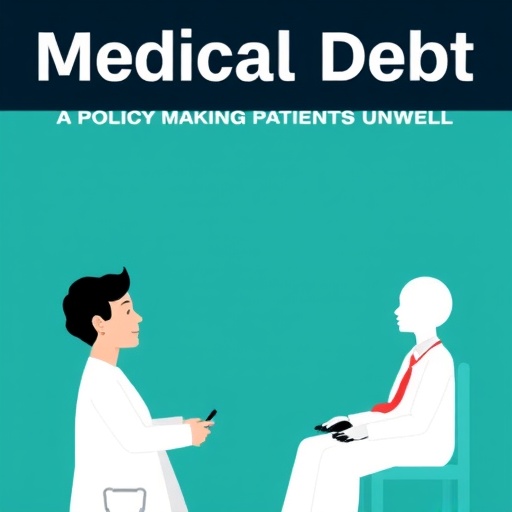
Recent research has illuminated a crucial aspect of the intricate relationship between healthcare, financial stability, and personal well-being. The study, titled “Medical Debt on Credit Reports: A Financial Policy Making Patients Sicker,” co-authored by Jacobs, Bibb, and Booth, sheds light on the often-overlooked issue of medical debt in America. In an era where healthcare is both a fundamental right and a complex industry, the implications of unpaid medical bills extend far beyond financial strain, adversely impacting the mental and physical health of patients. This phenomenon has become a significant public health crisis, exacerbated by high premiums, out-of-pocket expenses, and the escalating costs of medical procedures.
Medical debt often finds itself intertwined with patients’ credit scores, creating a vicious cycle that can culminate in severe consequences. When individuals struggle to pay their medical bills, their creditworthiness diminishes, resulting in higher interest rates on loans, difficulty securing housing, or even challenges in obtaining employment. As the research indicates, these hurdles do not just signify financial distress; they can lead to a state of chronic stress, anxiety, and diminished quality of life. The report highlights the statistics that reveal the prevalence of medical debt in the U.S. population, illustrating how millions of Americans face the dual threats of health issues compounded by financial instability.
The authors delve into the nuances of how medical debt is reported and its psychological effects on individuals. Medical debt is unique in that it often arises from unavoidable circumstances, such as emergencies or necessary treatments, yet it is treated like any other form of debt by credit reporting agencies. This distinction is critical for understanding the complete picture of how individuals navigate their healthcare experiences. The emotional toll of carrying medical debt can lead to a reluctance to seek necessary medical care, thereby worsening health outcomes.
Not only does the accumulation of medical debt influence personal health, but it also affects public health systems. Patients inhibited from seeking timely care due to financial fears can lead to a rise in preventable conditions, ultimately straining healthcare resources. The study argues for the need for comprehensive policy reforms that address both the immediate needs of patients burdened by debt and the systemic issues plaguing the healthcare industry. Policymaking must evolve to prioritize health equity, ensuring that care is accessible and affordable for all individuals, irrespective of their financial situation.
One significant point the authors raise is the impact of medical debt on vulnerable populations, including low-income families, people of color, and those living in rural areas. These demographics are disproportionately affected by rising healthcare costs and are more likely to incur substantial medical debt. This inequity forms a barrier to achieving health equity and social justice, which are essential for fostering a healthy society. By understanding how systemic inequalities manifest in medical debt, policymakers can better address the root causes and work toward equitable solutions.
The urgent need for reform is further complicated by the legislative landscape surrounding healthcare and debt reporting. Recent proposed changes at both state and federal levels indicate a burgeoning recognition of the problem, but the execution of these plans remains fraught with obstacles. The authors emphasize collaboration between healthcare providers, policymakers, and credit reporting agencies as a pivotal step in mitigating medical debt and its consequences. By fostering a dialogue among stakeholders, solutions can be formulated that address the needs of patients while alleviating the burdens imposed on the healthcare system.
Moreover, the role of technology in addressing medical debt cannot be overlooked. Innovations in telehealth and digital financing tools present opportunities for patients to better manage their healthcare costs. The utilization of sophisticated financial planning resources can assist individuals in budgeting for medical expenses and exploring options for payment plans that mitigate the burden of large, unexpected bills. However, tech solutions must be accessible and education initiatives should accompany them to ensure that all patients can benefit.
With the shift towards valuing preventative care, the integration of financial literacy into healthcare education emerges as a pressing necessity. Patients equipped with knowledge regarding their rights, billing practices, and financial assistance programs are better positioned to navigate the complexities of medical debt. This proactive approach not only empowers patients but fosters a culture of transparency within the healthcare system, which can help demystify billing practices that often frustrate and confuse.
This study serves as a clarion call for greater awareness and action around the critical issue of medical debt. As patients continue to face economic challenges exacerbated by healthcare costs, it is paramount for stakeholders at all levels to remain vigilant. Embracing collaborative efforts towards comprehensive solutions can change the narrative around medical debt, ensuring that patients are treated with dignity and respect throughout their healthcare journeys.
Implementing changes requires advocacy at multiple levels—local, state, and national. Grassroots movements have already played a vital role in raising awareness. As the conversation gains traction, it becomes critical to influence policymakers who have the power to implement systemic changes. Advocates emphasize that while individual responsibility is part of managing healthcare costs, the systemic issues at play require collective action to instigate meaningful reform.
In conclusion, the research conducted by Jacobs, Bibb, and Booth presents a stark reminder of the realities faced by millions of Americans grappling with medical debt. It underscores the importance of viewing healthcare not merely as a financial transaction but as a fundamental component of human dignity and well-being. As the landscape of healthcare continues to evolve, fostering a system that prioritizes patient care and health equity is paramount. Addressing medical debt at its roots while advocating for policies that ensure access to affordable healthcare will be central to improving both individual and public health outcomes in the years to come.
The findings of this research compel us to consider not just the financial implications of medical debt but also its broader societal ramifications. A healthier population is inherently bound to the financial health of its individuals. It is not merely about numbers and statistics; it is about people, families, and communities striving for better futures. The ongoing dialogue regarding medical debt is an opportunity for transformative change that can shape a more equitable healthcare system, ensuring that every individual has the right to seek care without the looming fear of crippling debt.
Subject of Research: Medical debt and its impact on patient health and financial stability.
Article Title: Medical Debt on Credit Reports: A Financial Policy Making Patients Sicker.
Article References:
Jacobs, J.W., Bibb, L.A. & Booth, G.S. Medical Debt on Credit Reports: A Financial Policy Making Patients Sicker.
J GEN INTERN MED (2025). https://doi.org/10.1007/s11606-025-10094-8
Image Credits: AI Generated
DOI: https://doi.org/10.1007/s11606-025-10094-8
Keywords: Medical debt, healthcare financing, patient health, financial policy, health equity.
Tags: access to care and medical debtchronic stress caused by medical debtconsequences of unpaid medical billsfinancial policy affecting patient healthfinancial strain from healthcare expenseshealthcare affordability and patient well-beinghow medical debt affects quality of lifeimpact of medical debt on mental healthmedical debt and credit scoresmedical debt crisis in Americapublic health implications of medical debtrelationship between healthcare costs and financial stability