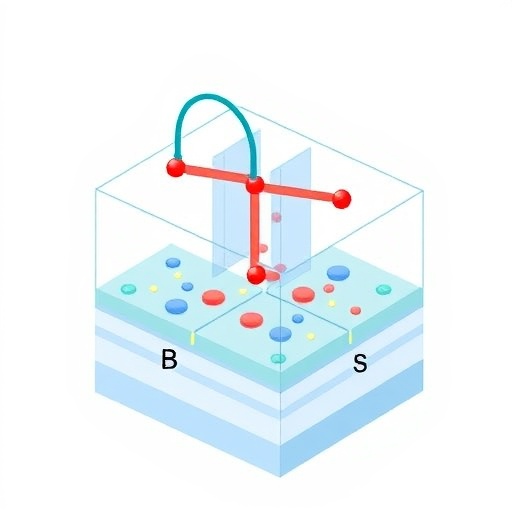
In a groundbreaking study, researchers S. Manikandan and B. Krishnamurthy have delved into the fundamental mechanisms of mediated microbial fuel cells (MFCs) with a particular focus on optimizing their performance through what they call the Ping-Pong mechanism. This innovative model presents a captivating exploration into how microbial interactions and electrical generation can be harmonized to produce cleaner energy. The introduction of the Ping-Pong mechanism signifies a substantial leap in MFC technology, opening doors to more efficient energy solutions that could diminish our reliance on fossil fuels.
Microbial fuel cells operate on the principle of converting organic substrates into electrical energy with the aid of microorganisms. These natural powerhouses use biochemical reactions to facilitate the transfer of electrons, ultimately generating electricity. The efficiency of these systems has been limited by several factors, including electron transfer rates and substrate utilization. However, the introduction of a mediated mechanism like the Ping-Pong method promises to mitigate these challenges by enhancing the interplay between bacteria and the electrodes.
The conventional models of MFCs often invoke direct electron transfer, which, while functional, can be slow and inefficient under certain conditions. The Ping-Pong mechanism diverges from this approach by employing redox mediators—substances that facilitate electron transfer between microbes and the anode. This approach not only accelerates the transfer of electrons but also improves the overall metabolic efficiency of the microorganisms involved. The implications are profound, indicating that this model could lead to higher currents and voltage outputs, thereby rendering MFCs a more viable option for renewable energy production.
In their comprehensive study, Manikandan and Krishnamurthy meticulously examined various mediators that could be utilized within the Ping-Pong mechanism. The research emphasizes the role of these facilitators in enhancing the electron flow, highlighting how the choice of mediator can significantly affect the efficiency and output of the MFC. Some mediators they tested exhibit remarkable electron transfer capabilities, underscoring their potential to revolutionize MFC applications in real-world scenarios.
The research team employed a systems modeling approach to simulate the dynamics of the mediated MFC performance under various operational conditions. Their models incorporated key variables such as substrate concentration, microbial activity, and electrochemical performance, allowing them to predict system behavior accurately. By adjusting these variables within the models, the researchers could identify optimal conditions for energy production, stressing the importance of a balanced system for maximum performance.
Furthermore, the study highlights potential applications of the Ping-Pong mechanism across various fields, including wastewater treatment and point-of-use energy generation. The implications for wastewater management are particularly exciting, as it signals the possibility of not only treating waste but also harnessing energy from it simultaneously. This dual-functionality illustrates the sustainability potential of microbial fuel cells and their role in the circular economy.
As this research progresses, there are burgeoning prospects for commercial applications. The advancements made through the Ping-Pong mechanism may lead to the creation of more robust and efficient MFC systems that can be deployed in various environments. From sewage treatment plants to remote agricultural sites, the ability to generate clean energy in situ addresses pressing energy demands without the environmental burdens associated with traditional energy sources.
The findings from Manikandan and Krishnamurthy’s work serve as a compelling invitation for further research in this domain. The effective implementation of the Ping-Pong mechanism could catalyze a new era of sustainable energy, inviting innovations that may ultimately bring about a transition away from non-renewable energy sources. This transition is pivotal for addressing the global energy crisis and combating climate change, heralding a future where energy is clean, abundant, and environmentally friendly.
Challenges remain, of course. While the Ping-Pong mechanism presents significant advantages, integrating these systems into existing energy infrastructures poses logistical hurdles. Regulatory frameworks, economic feasibility, and scalability are critical considerations that must be addressed before widespread adoption can occur. Moreover, public acceptance and understanding of microbial fuel cell technology are essential to facilitate grassroots support for new solutions.
The research has sparked a wave of interest in the scientific community, resulting in increased investigations into alternative methods for enhancing microbial fuel cell efficiency. This includes exploring genetic modifications of the microorganisms involved, optimizing reactor designs, and improving the pathways of electron transfer. The potential for collaborative interdisciplinary research is vast, as engineers, biologists, and environmental scientists can work together to advance this technology.
In conclusion, the study by Manikandan and Krishnamurthy illuminates the exciting intersection of microbiology and renewable energy through the lens of the Ping-Pong mechanism in mediated microbial fuel cells. Their findings lay the groundwork for future explorations that could lead to more efficient and effective energy generation mechanisms. As they continue to refine their models and uncover further insights into microbial interactions, the vision of sustainable, low-impact energy systems draws ever nearer.
With the pressing challenges of climate change and resource scarcity plaguing our planet, innovations like these are critical. The transition towards renewable energy sources must prioritize not only efficiency but also sustainability, and the advancements showcased in this study exemplify how microbial fuel cells can play a pivotal role in achieving that goal. As these technologies develop, the scientific community remains eager to see how they can be implemented in real-world applications, potentially reshaping our energy landscape for generations to come.
Subject of Research: Mediated Microbial Fuel Cells
Article Title: Modeling the performance of mediated microbial fuel cells using Ping-Pong mechanism
Article References:
Manikandan, S., Krishnamurthy, B. Modeling the performance of mediated microbial fuel cells using Ping-Pong mechanism.
Ionics (2026). https://doi.org/10.1007/s11581-025-06918-6
Image Credits: AI Generated
DOI: 03 January 2026
Keywords: Microbial Fuel Cells, Renewable Energy, Ping-Pong Mechanism, Sustainable Energy Solutions, Biochemical Reactions, Electrode Interaction, Wastewater Treatment, Clean Technology.
Tags: advancements in microbial energy systemsbiochemical reactions for electricity generationchallenges in microbial fuel cell efficiencycleaner energy solutions from microbial technologyenhancing electron transfer rates in MFCsinnovative models in renewable energymediated microbial fuel cellsmicrobial interactions in energy generationoptimizing microbial fuel cell performancePing-Pong mechanism in MFCsredox mediators in electricity productionreducing reliance on fossil fuels