Credit: Credit: Gotthardt Lab, MDC
The Max Delbrück Center for Molecular Medicine (MDC) in Berlin is participating as a research partner in the Human Cell Atlas (HCA). The Chan Zuckerberg Initiative has now announced that it will provide financial support for the HCA's sub-project "Towards a Human Cardiac Cell Atlas."
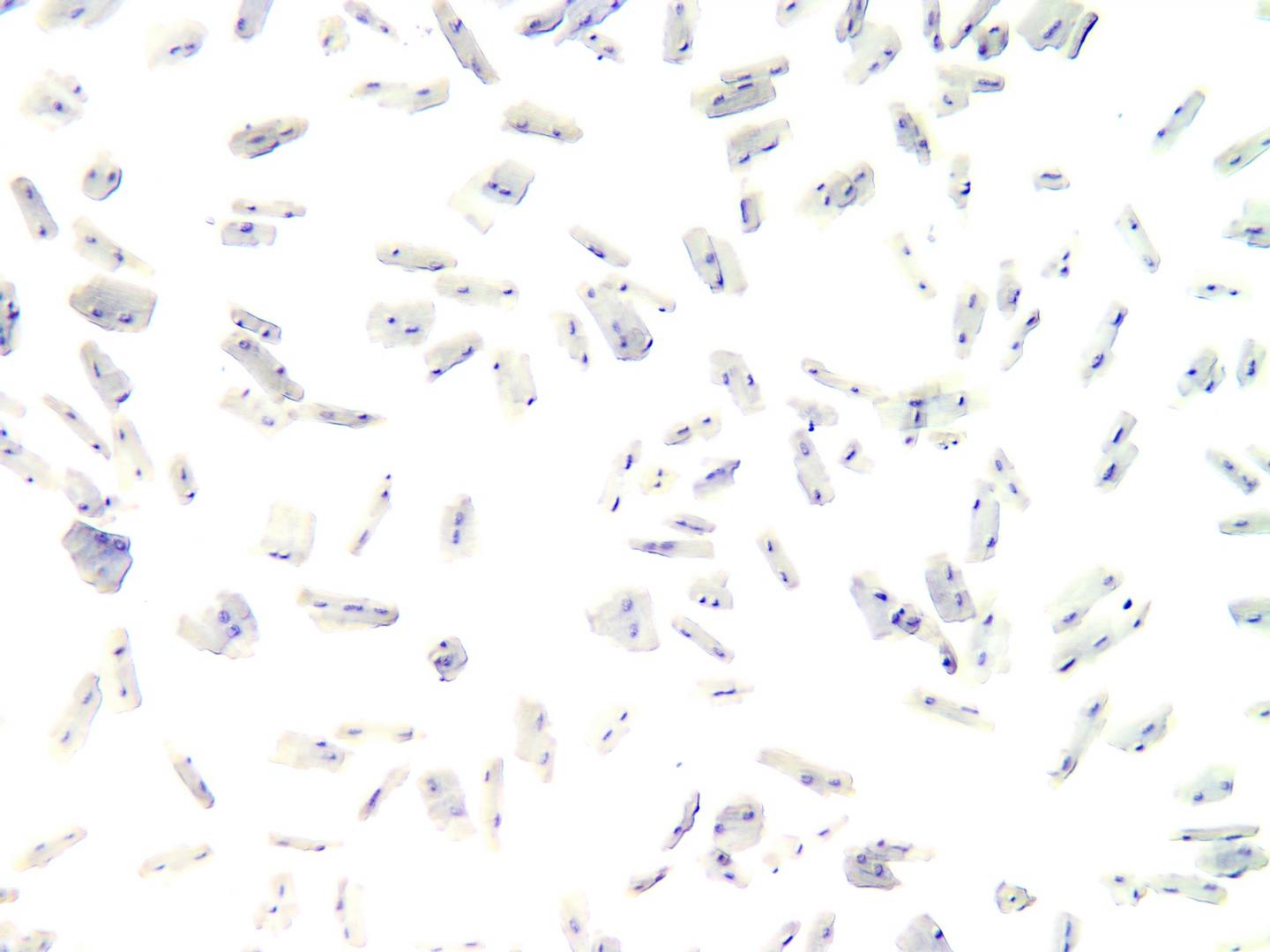
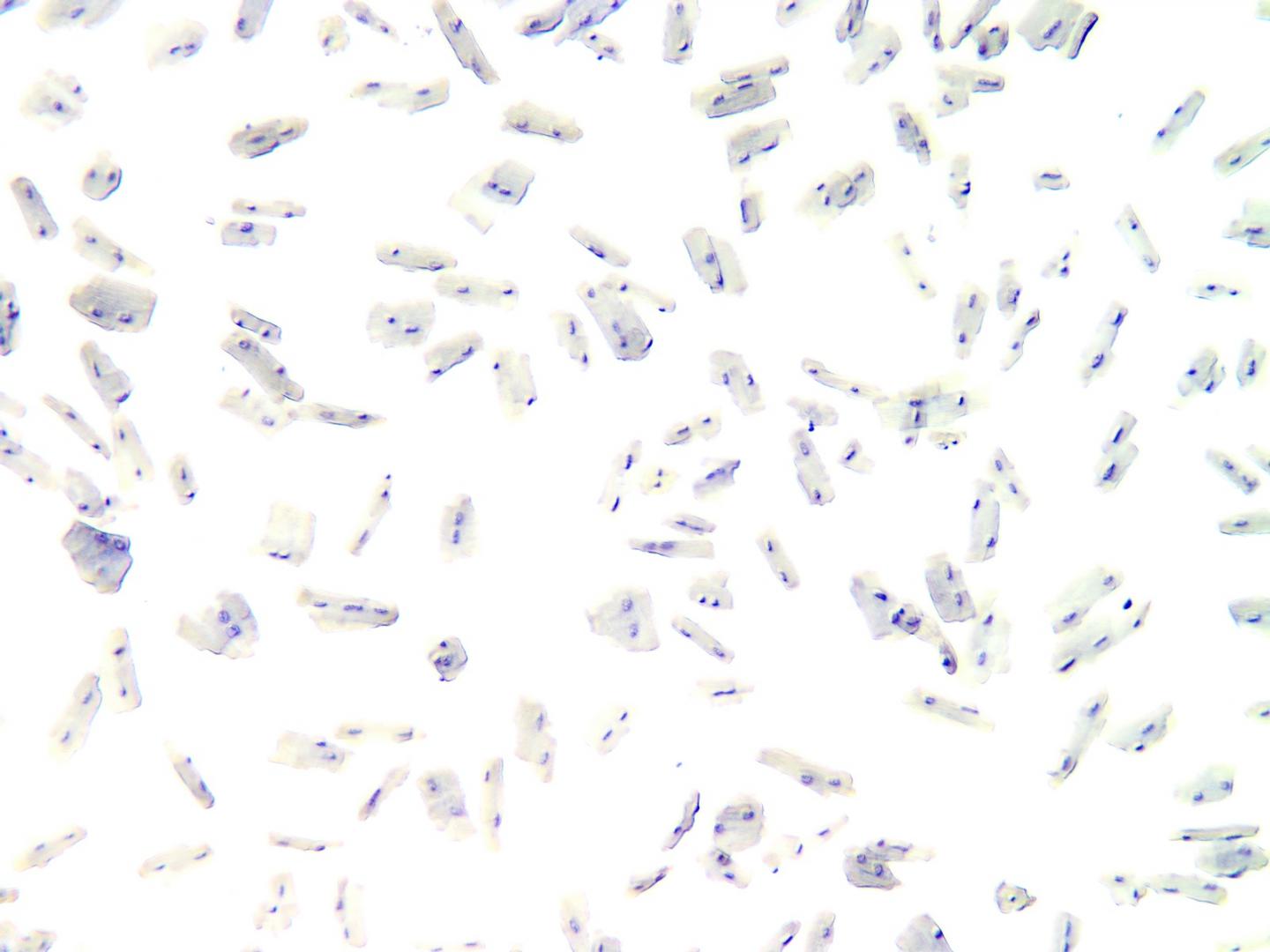
Organs and tissues are comprised of very different types of cells. The heart, for example, contains muscle cells, connective tissue cells, nerve cells, and immune cells, all of which vary greatly in size and properties – despite having the same DNA. "Relatively little is known about the exact composition and cell architecture of the various types of cells in the heart," says Professor Norbert Hübner, head of the MDC's Genetics and Genomics of Cardiovascular Diseases research team and leader of the "Towards a Human Cardiac Cell Atlas" project.
This pilot project has been made possible in part by a grant from the Chan Zuckerberg Initiative donor advised fund, an advised fund of Silicon Valley Community Foundation. It is part of efforts to create the Human Cell Atlas, an ambitious global collaboration launched by leading researchers in October 2016. Professor Nikolaus Rajewsky, who sits on the Organizing Committee of the HCA, represents the MDC in the collaboration.
The ultimate goal is the reconstruction of a three-dimensional heart model
The researchers aim to not only map and characterize all cells in a healthy human body, but also to discover how cells change during disease progression. The preliminary work that is beginning now should produce the technical and scientific conditions necessary for isolating and investigating all individual cell types. The Human Cell Atlas is supported in part by the Chan Zuckerberg Initiative, a philanthropic organization set up by Facebook founder Mark Zuckerberg and his wife, Dr. Priscilla Chan to advance human potential and promote equal opportunity through world class engineering, grantmaking, impact investing, policy, and advocacy work.
A number of Berlin-based research teams, led by Professor Norbert Hübner, Professor Nikolaus Rajewsky, Professor Michael Gotthardt, Dr. Jan Philipp Junker, as well as teams from Boston, Singapore, and Stanford will, for example, examine how state-of-the-art gene sequencing technologies can be used to understand individual cells of the heart. A still unsolved problem is the RNA sequencing of heart muscle cells, whose size poses special technical challenges. "The characterized cell populations should lead ultimately to the construction of a three-dimensional model that explains the components, structures and ultimately functions of the human heart," says Norbert Hübner. The scientists anticipate that the newly developed methods will also lay the groundwork for advances in the mapping of other organs.
The Max Delbrück Center for Molecular Medicine (MDC)
The Max Delbrück Center for Molecular Medicine in the Helmholtz Association (MDC) was founded in Berlin in 1992. It is named for the German-American physicist Max Delbrück who was awarded the 1969 Nobel Prize in Physiology and Medicine. The MDC's mission is to study molecular mechanisms in order to understand the origins of disease and thus be able to diagnose, prevent and fight it better and more effectively. In these efforts the MDC cooperates with the Charité – Universitätsmedizin Berlin and the Berlin Institute of Health (BIH) as well as with national partners such as the German Center for Cardiovascular Research and numerous international research institutions. More than 1,600 staff and guests from nearly 60 countries work at the MDC, just shy of 1,300 of them in scientific research. The MDC is financed by the Federal Ministry of Education and Research (90 percent) and the State of Berlin (10 percent) and is a member of the Helmholtz Association of German Research Centres.
###
About the Chan Zuckerberg Initiative
The Chan Zuckerberg Initiative was launched in December 2015 by Mark Zuckerberg, founder and CEO of Facebook, and his wife, Priscilla Chan, a pediatrician and founder and CEO of The Primary School in East Palo Alto. The Chan Zuckerberg Initiative is a new kind of philanthropic organization dedicated to advancing human potential and promoting equal opportunity through world class engineering, grantmaking, impact investing, policy, and advocacy work. Initial areas of focus include supporting science through basic biomedical research and education through personalized learning. CZI is also exploring ways to build stronger, more equitable communities through affordable housing and criminal justice reform.
Media Contact
Annette Tuffs
[email protected]
49-309-406-2140
http://www.mdc-berlin.de
Original Source
https://insights.mdc-berlin.de/en/2017/10/mdc-receives-funding-to-collaborate-on-human-cell-atlas/