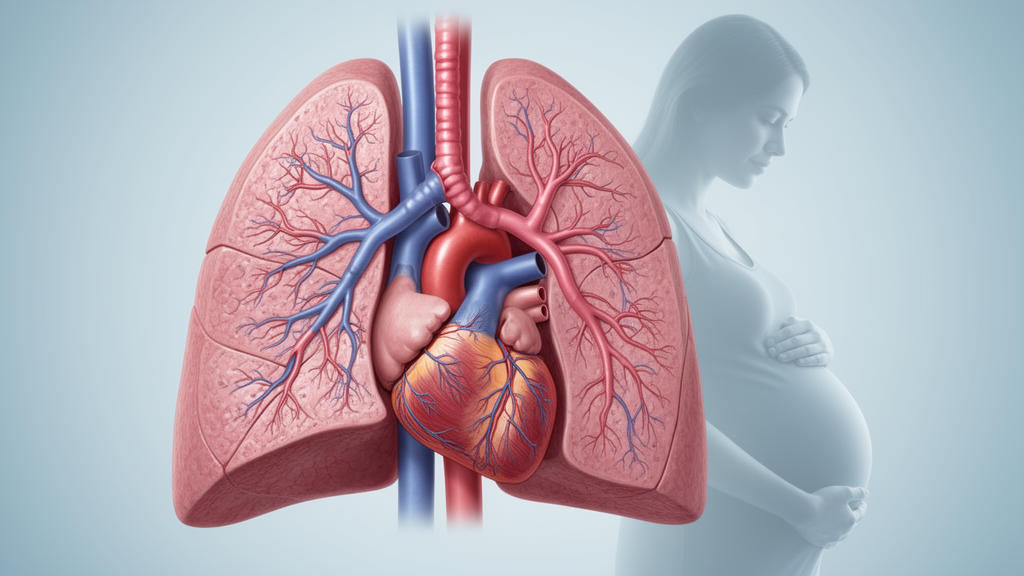
Initially, her symptoms were attributed to postpartum cardiomyopathy, a condition typically characterized by left ventricular systolic dysfunction. However, subsequent investigations revealed a different underlying cause: mixed connective tissue disease (MCTD) associated with pulmonary hypertension. This case highlights a diagnostic pitfall where autoimmune-related pulmonary complications can mimic primary cardiac failure in the postpartum period, leading to delayed specific treatment.
Mixed connective tissue disease is an uncommon systemic autoimmune condition characterized by features of at least two connective tissue diseases, most commonly rheumatoid arthritis, polymyositis, dermatomyositis, systemic lupus erythematosus, and systemic sclerosis. The disease is clinically defined by high titers of anti-U1 ribonucleoprotein antibodies, along with typical features such as Raynaud phenomenon, puffy fingers, and hand edema. According to the Orphanet registry, the estimated prevalence of MCTD in the general population is 3.8 per 100,000 worldwide. Pulmonary arterial hypertension is a well-recognized complication of MCTD and a major contributor to right heart failure, yet its presentation in young postpartum women can obscure the underlying autoimmune etiology.
The patient’s clinical presentation included insidious onset of dyspnea, initially exertional but later present at rest, accompanied by orthopnea, fatigue, and paroxysmal nocturnal dyspnea. On examination, she was hypotensive with a blood pressure of 90/70 mmHg. Physical findings included bilateral pitting pedal edema, elevated jugular venous pressure to 11 cm H2O, a loud P2, and a pansystolic murmur at the tricuspid area. These signs suggested significant right-sided cardiac strain. Laboratory investigations revealed a leukocyte count of 3600/μL and a platelet count of 121,000/μL, indicating leukopenia and thrombocytopenia, respectively. Renal and liver function tests were largely within normal limits, though serum transaminases were mildly elevated.
Immunological profiling provided critical diagnostic clues. The antinuclear antibody profile was positive for anti-U1-RNP, SS-A, SS-B, and Jo-1 antibodies. The presence of anti-U1-RNP is a hallmark of MCTD, while the positivity for Jo-1, an antibody against histidyl-tRNA synthetase, raised the possibility of an overlapping antisynthetase syndrome or other connective tissue disease overlap. However, additional rheumatologic investigation results were unavailable in the reviewed records, limiting the further characterization of the underlying connective tissue disease. The combination of serological positivity, leukopenia, thrombocytopenia, and interstitial lung abnormalities strongly supported an underlying autoimmune etiology rather than isolated cardiac pathology.
Echocardiography played a pivotal role in distinguishing the cause of heart failure. The two-dimensional echocardiogram showed significant right heart involvement, including a dilated right atrium and right ventricle, with moderate to severe tricuspid regurgitation. The tricuspid regurgitation jet velocity was elevated to 3.5 m/s, corresponding to an estimated right ventricular systolic pressure of approximately 50 mmHg, suggestive of probable moderate to severe pulmonary arterial hypertension. Crucially, left ventricular systolic function was preserved, with an ejection fraction of around 60%. This finding effectively ruled out peripartum cardiomyopathy, which requires left ventricular systolic dysfunction with an ejection fraction below 45% for diagnosis. The preserved left ventricular function, combined with predominant right-sided abnormalities, favored pulmonary hypertension-associated right heart failure.
Computed tomography imaging further characterized the pulmonary and cardiac status. A computed tomography chest scan revealed cardiomegaly, honeycombing in the lungs, and bilateral pleural effusions, consistent with pulmonary hypertension and heart failure. High-resolution computed tomography confirmed bilateral moderate pleural effusions, honeycombing, and partial atelectasis of the underlying lung. A computed tomography pulmonary angiogram was performed primarily to exclude acute pulmonary embolism, a common consideration in postpartum patients with dyspnea. The angiogram showed no evidence of acute pulmonary embolism.
Right heart catheterization, the diagnostic gold standard for confirming pre-capillary pulmonary hypertension, was not performed due to resource limitations at the treating center. This limitation prevented the definitive hemodynamic classification of the pulmonary hypertension, specifically the measurement of mean pulmonary artery pressure, pulmonary vascular resistance, and pulmonary capillary wedge pressure. Without these invasive measurements, the medical team could not establish whether the pulmonary hypertension predominantly reflected connective tissue disease-associated pulmonary arterial vasculopathy, interstitial lung disease, or a combination of these mechanisms. This diagnostic gap represents a significant limitation in the case report, highlighting the challenges of managing complex cardiopulmonary cases in resource-constrained settings.
The diagnosis of MCTD-associated pulmonary hypertension was validated using the Sharp criteria, which were readily available in the local clinical setting. The patient met major criteria for pulmonary involvement, swollen hands, and positive serology. Minor criteria included pericarditis, pleuritis, leukopenia, thrombocytopenia, and a history of swollen hands. Formal assessment using the Alarcón-Segovia or Kasukawa criteria was not performed, meaning fulfillment of these alternative classification criteria could not be established. The use of Sharp criteria underscores the pragmatic approach taken by the treating team to confirm the diagnosis in the absence of more comprehensive rheumatologic workup.
Treatment was initiated immediately following admission, targeting both the heart failure and the underlying systemic inflammatory process. The patient was started on Lasix 40 mg, Aldactone 25 mg, lisinopril 10 mg, and heparin. Prednisolone 20 mg was also initiated and gradually tapered to address the autoimmune component of MCTD. The delay in immunosuppressive therapy was attributed to the initial misdiagnosis of postpartum cardiomyopathy and the subsequent delay in ANA profiling. Despite this, the patient’s anasarca and dyspnea improved with treatment. She was discharged in stable condition with instructions to follow up with both a cardiologist and a rheumatologist for ongoing management.
The case illustrates the importance of considering autoimmune etiologies in young women presenting with postpartum heart failure, particularly when left ventricular function is preserved. MCTD causes a spectrum of symptoms through pathways involving immunological complexes and altered U1 70 kDa proteins, which can lead to tissue damage, inflammation, and endothelial dysfunction. Cardiac involvement occurs in approximately 65% of MCTD cases, though only 25% are symptomatic in reported cohorts. Pulmonary arterial hypertension and pericardial or pleural effusions are leading contributors to morbidity and mortality in these patients. Early cardiac evaluation and multidisciplinary management involving rheumatologists and cardiologists are crucial for optimizing outcomes and preventing rapid progression of cardiovascular symptoms.
The patient was lost to follow-up after discharge, and long-term clinical outcomes, treatment adherence, or subsequent cardiopulmonary status could not be assessed. This lack of longitudinal data limits the ability to evaluate the efficacy of the treatment regimen or the natural history of the disease in this specific context. Nevertheless, the case serves as a reminder that postpartum heart failure is not exclusively cardiac in origin. In the absence of left ventricular dysfunction, clinicians should consider pulmonary hypertension secondary to connective tissue diseases. The diagnostic challenge in this case was compounded by resource limitations, which prevented definitive hemodynamic assessment and comprehensive rheumatologic evaluation. Timely identification of MCTD and its cardiovascular complications is essential to allow early commencement of targeted treatment and to prevent the development of severe heart failure.
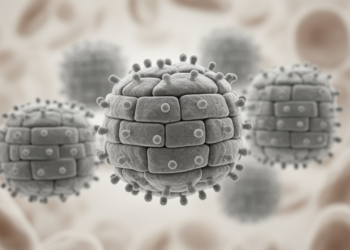
Understanding the specific mechanisms behind MCTD-related cardiac complications is essential for interpreting this case. The disease triggers symptoms through distinct immunological pathways. One pathway involves the formation of immunological complexes that activate the complement cascade, leading to tissue damage and inflammation. This process can result in interstitial lung disease, myositis, and arthritis. A second pathway involves the altered U1 70 kDa protein, which appears on the surface of dying cells. Antigen-presenting cells detect this protein and present it to T cells, facilitating B cell production of antibodies against U1-RNP. These antibodies can stimulate autoreactive CD4+ cells and mononuclear cells, increasing the production of interleukin-6 and interleukin-1. Furthermore, autoantibodies may directly damage endothelial cells by stimulating the generation of endothelial and intercellular leukocyte adhesion molecule-1. This endothelial involvement affects both pulmonary and systemic vascular systems, often manifesting as pulmonary arterial hypertension or Raynaud’s phenomenon.
While this case focused on pulmonary hypertension, MCTD can present with a broader range of cardiac manifestations. In reported cohorts, cardiac involvement occurs in approximately 65% of MCTD cases, although only 25% of these patients are symptomatic. Typical manifestations include pericarditis, pulmonary arterial hypertension, and diastolic dysfunction. Other documented conditions include mitral valve prolapse and cardiac conduction abnormalities. Pulmonary arterial hypertension and pericardial or pleural effusions are leading contributors to morbidity and mortality in these patients. Definitive information regarding the underlying cellular processes of cardiac involvement remains scarce in the literature. This case primarily presented with suspected pulmonary arterial hypertension and heart failure as manifestations of MCTD. The patient exhibited a loud P2, bilateral pedal and facial edema, cough, shortness of breath, and a pansystolic murmur in the tricuspid region. These symptoms suggest predominant cardiovascular involvement, consistent with infrequent instances of MCTD that primarily manifest as cardiovascular symptoms.
Management of MCTD-associated pulmonary hypertension is highly individualized and often requires a multidisciplinary approach. Immunosuppressive agents form the backbone of therapy, including high-dose corticosteroids, hydroxychloroquine, mycophenolate mofetil, and cyclophosphamide. In resistant cases, rituximab can be considered. Advanced pulmonary arterial hypertension requires targeted vasodilator therapy, which includes endothelin receptor antagonists, phosphodiesterase-5 inhibitors, and prostacyclin analogs. Early multidisciplinary involvement and referral for lung transplantation are essential in refractory cases. Prognosis is influenced by the New York Heart Association functional class and exercise tolerance. Elevated N-Terminal pro-B-type Natriuretic Peptide levels or increasing autoantibody titers may reflect active disease. Although anti-U1 RNP is a hallmark of the disease, some studies suggest it may confer better survival in connective tissue disease-associated pulmonary arterial hypertension, possibly reflecting a unique disease phenotype. While survival has historically been poorer than idiopathic pulmonary arterial hypertension, outcomes have improved with early detection and targeted treatment.
Subject of Research: Diagnostic Pitfall: Mixed Connective Tissue Disease‐Associated Pulmonary Hypertension Presenting With Postpartum Right‐Sided Heart Failure in a 21‐Year‐Old—Case Report
Article Title: Diagnostic Pitfall: Mixed Connective Tissue Disease‐Associated Pulmonary Hypertension Presenting With Postpartum Right‐Sided Heart Failure in a 21‐Year‐Old—Case Report
Article References: Alla, S. S. M., Khetan, M. S., Alla, D., Ganguru, S. L., Appala, S., Sree, K., Shah, R. J., Seth, A., Rawtani, N. A., Aamir, M. R., & Emmanuel, N. W. (2026). Diagnostic Pitfall: Mixed Connective Tissue Disease‐Associated Pulmonary Hypertension Presenting With Postpartum Right‐Sided Heart Failure in a 21‐Year‐Old—Case Report. Clinical Case Reports, 14(11), Article e73891. https://doi.org/10.1002/ccr3.73891
Image Credits: AI Generated
DOI: 10.1002/ccr3.73891
Keywords: Diagnostic, Pitfall, Mixed, Connective, Tissue, Disease, Associated, Pulmonary, Hypertension, Presenting, Postpartum, Right
News Source: Ophelia Keating. (November 9, 2026). MCTD-Associated Pulmonary Hypertension Mimics Postpartum Heart Failure. Scienmag.