In a groundbreaking study poised to redefine our understanding of rare genetic disorders, researchers have identified pathogenic variants in the cohesin loader subunit MAU2 as the underlying cause of a distinct subtype of Cornelia de Lange Syndrome (CdLS). This discovery, published in the prestigious journal Nature Communications, provides an unprecedented window into the molecular pathology of CdLS and opens new avenues for precise diagnostics and therapeutic intervention.
Cornelia de Lange Syndrome is a complex multisystem developmental disorder characterized by a spectrum of clinical features including growth retardation, limb abnormalities, distinctive facial characteristics, and cognitive impairment. Traditionally, mutations in genes encoding core components of the cohesin complex and its regulators have been implicated as causative factors. However, until now, the role of MAU2, a crucial protein involved in the loading mechanism of the cohesin complex onto chromatin, had remained elusive.
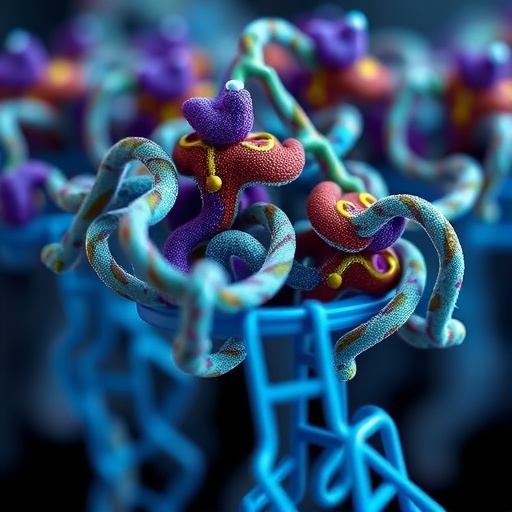
The cohesin complex is fundamental to maintaining genome integrity. It facilitates sister chromatid cohesion during cell division, regulates gene expression by shaping chromatin architecture, and plays a role in DNA repair pathways. Cohesin’s loading onto DNA requires the coordinated action of two subunits cohesin loaders, with MAU2 partnering with NIPBL to mediate this process. Disruptions in this finely tuned loader mechanism can have cascading effects on chromosomal stability and gene regulatory networks, ultimately manifesting in developmental disorders.
Utilizing advanced genomic sequencing tools, Parenti and colleagues conducted a comprehensive analysis of individuals presenting with CdLS-like phenotypes but lacking mutations in canonical cohesin components. Their meticulous genetic screening revealed that specific heterozygous pathogenic variants in the MAU2 gene segregate with a clinically distinct subtype of CdLS. These variants exhibit unique molecular signatures and phenotypic correlates, distinguishing them from classical mutations seen within NIPBL and other cohesin components.
Functional assays corroborated these findings by demonstrating that MAU2 mutations impair cohesin loading efficiency and alter cohesin dynamics on chromatin. Such deficiencies lead to aberrant transcriptional programs, particularly affecting genes critical for early developmental processes. The study underscores how even subtle perturbations in cohesin loaders can have outsized impacts on gene regulation and phenotype expression, challenging prior assumptions that primarily focused on the core cohesin ring proteins.
The clinical manifestation of individuals harboring MAU2 mutations manifests with overlapping but distinct features compared to typical CdLS cases. These patients often present with milder limb abnormalities but more pronounced neurological impairments. This phenotypic divergence underscores the necessity of refining diagnostic criteria and suggests that tailored therapeutic strategies could improve patient outcomes.
Moreover, the work illuminates the broader biological relevance of cohesin loaders beyond their canonical role in sister chromatid cohesion. MAU2’s involvement in chromatin organization and transcriptional regulation appears more nuanced than previously appreciated, reflecting a modular architecture within cohesin functionality that dictates developmental trajectories.
Intriguingly, the study also highlights evolutionary conservation of MAU2’s function across species, providing an excellent model system to further dissect molecular mechanisms and their perturbations. By integrating biochemical analyses with patient-derived cellular models, the research team delineated how specific amino acid substitutions within MAU2 disrupt its interaction with NIPBL and DNA, compromising cohesin complex stability.
These insights not only expand the molecular framework of CdLS pathogenesis but also prompt reevaluation of related cohesinopathies—disorders arising from cohesin malfunction. Understanding the differential impact of loader versus ring component mutations enriches genotype-phenotype correlations and could facilitate the development of mutation-specific biomarkers, essential for early intervention.
Future research directions emerging from this landmark study involve exploring pharmacological modulators that can restore cohesin loading efficiency or compensate for MAU2 dysfunction. Such targeted therapies, although in nascent stages, promise a significant breakthrough in treating cohesinopathies, currently managed primarily through symptomatic care.
The identification of MAU2 as a critical player in CdLS also serves as a paradigm for studying the interplay between chromatin architecture and developmental gene regulation. Considering the multifaceted roles of cohesin and its loaders, comprehensive mapping of their interactomes and downstream effectors will be invaluable.
This discovery has energized the scientific community, driving a surge of interest in cohesin loader proteins as pivotal determinants of human developmental health. Collaborative efforts spanning genomics, structural biology, clinical genetics, and translational research stand poised to unravel additional layers of complexity and therapeutic opportunities.
In essence, Parenti et al.’s pioneering work invites a reevaluation of cohesin biology, positioning MAU2 not merely as an accessory factor but a core determinant in the genetic landscape of Cornelia de Lange Syndrome. As research unfolds, these revelations hold the promise of transforming patient care through precision medicine, offering hope to affected individuals and their families worldwide.
Subject of Research: The study investigates pathogenic variants in the MAU2 gene, a cohesin loader subunit, and their role in causing a distinct subtype of Cornelia de Lange Syndrome.
Article Title: Pathogenic variants in the cohesin loader subunit MAU2 underlie a distinct Cornelia de Lange Syndrome subtype.
Article References:
Parenti, I., Hesters, A., Gil-Salvador, M. et al. Pathogenic variants in the cohesin loader subunit MAU2 underlie a distinct Cornelia de Lange Syndrome subtype. Nat Commun (2026). https://doi.org/10.1038/s41467-026-71177-6
Image Credits: AI Generated
Tags: chromatin architecture and gene regulationcohesin complex in developmental disorderscohesin loader subunit genetic variantscohesin loading mechanism defectsDNA repair and cohesin abnormalitiesgenome integrity and cohesin functionMAU2 mutations in Cornelia de Lange Syndromemolecular pathology of CdLSmultisystem developmental syndrome geneticsNIPBL and MAU2 interactionrare genetic disorder diagnosticstherapeutic targets in CdLS