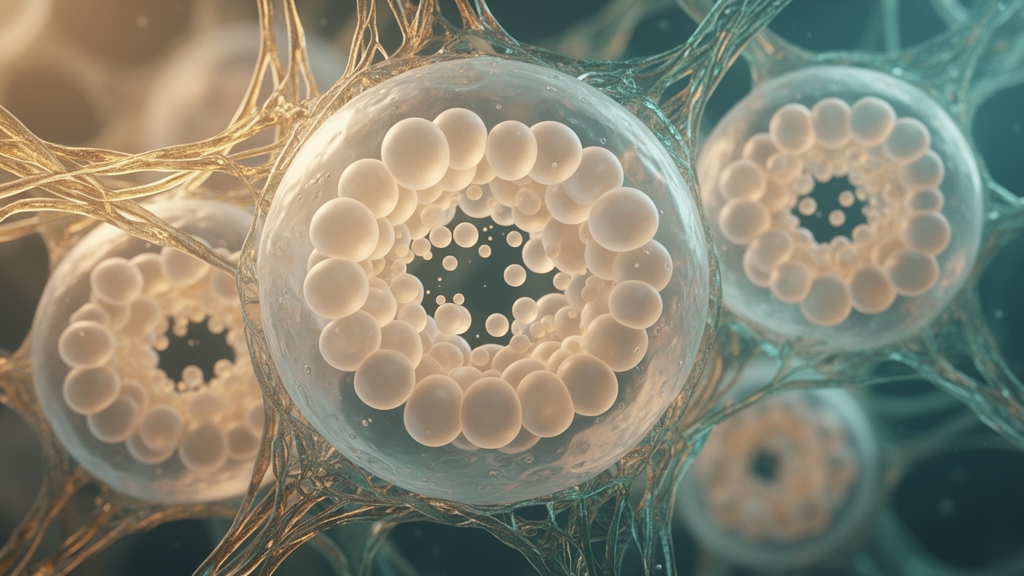
Human mammary epithelial cells isolated noninvasively from breast milk spontaneously assemble into complex three-dimensional organoids whose physical architecture and functional specialization are directed by their surrounding extracellular matrix. In research published in the Journal of Mammary Gland Biology and Neoplasia, scientists demonstrated that these milk-derived epithelial cells spontaneously generate polarized acinar structures and terminal duct lobular unit-like formations after isolation. The experimental findings establish breast milk-derived cells as a noninvasive human model system capable of modeling tissue morphogenesis and functional mammary states outside the body.
The development, structural organization, and functional maintenance of milk-producing tissues in the mammary gland rely continuously on reciprocal interactions between epithelial cells and the surrounding extracellular matrix microenvironment. Yet these processes remain difficult to study in human model systems. Although mammary epithelial cells can be obtained noninvasively from human breast milk samples, prior to this investigation it was uncertain whether such isolated cells could form three-dimensional organoids or retain the ability to respond to external matrix guidance.
To determine how matrix composition and architectural scaffolding influence tissue development, the researchers cultivated isolated milk-derived mammary epithelial cells across three distinct culture environments: decellularized mammary extracellular matrix, Matrigel, and type I collagen hydrogels.
Both decellularized mammary extracellular matrix and type I collagen promoted cellular branching morphogenesis and facilitated the alignment of cellular actin filaments along collagen fibrils. However, mammary decellularized extracellular matrix better preserves luminal-basal epithelial organization.
Comparative proteomic analysis examined bovine and human decellularized mammary extracellular matrices. The proteomic characterization revealed that these decellularized tissue matrices are not merely composed of fibrillar collagens, but also retain crucial extracellular matrix constituents including basement membrane-associated proteins and proteoglycans. Furthermore, within the branched organoids derived from milk epithelial cells, exposure to breast decellularized extracellular matrix specifically sustained and supported estrogen receptor-related signaling cascades and cell-cycle regulatory pathways.
In contrast to the branched networks observed in fibrillar collagen and decellularized matrix, cultivation in Matrigel favored the formation of spherical acinar organoids and promoted a pronounced secretory phenotype. Within this basement membrane-rich context, the milk-derived epithelial cells exhibited robust expression of the milk protein beta-casein and displayed widespread enrichment of transcriptional programs associated with lactation. Together, these observations demonstrate that extracellular matrix context actively instructs both organoid geometry and secretory differentiation, confirming that milk-derived mammary epithelial cells offer a human model to study matrix regulation of tissue morphogenesis and functional lactational states.
Subject of Research: Extracellular matrix regulation of human milk-derived mammary organoids
Article Title: Extracellular Matrix Context Shapes Morphogenesis and Lactation-Associated Programs in Human Milk-Derived Mammary Organoids
Article References: Hasenauer, A., Pascetta, V., McCabe, M. C., Saviola, A. J., Ponta, S., Yilmaz, M., Bossung, V., Coelius, C. L., Biesgen, T., Hansen, K. C., Prekovic, S., Ochsenbein-Koelble, N., & Zenobi-Wong, M. (2026). Extracellular Matrix Context Shapes Morphogenesis and Lactation-Associated Programs in Human Milk-Derived Mammary Organoids. Journal of Mammary Gland Biology and Neoplasia. https://doi.org/10.1007/s10911-026-09617-8
Image Credits: AI Generated
DOI: 10.1007/s10911-026-09617-8
Keywords: mammary epithelial cells, breast milk, mammary organoids, extracellular matrix, morphogenesis, lactation, decellularized mammary matrix, Matrigel, collagen I, collagen fibrils, acinar structures, terminal duct lobular units, beta-casein, proteomics, basement membrane proteins, proteoglycans, estrogen receptor pathways, cell-cycle pathways
News Source: Drew Townsend. (November 16, 2026). Matrix Environment Directs Architecture and Lactation Programs in Human Milk Organoids. Scienmag.