
The European Catfish, scientifically known as Silurus glanis, has emerged as a formidable figure in freshwater ecosystems across Europe. This species, recognized as the continent’s largest freshwater fish, possesses the potential to reach astonishing lengths of up to 2.8 meters and weights exceeding 130 kilograms. Its remarkable size, coupled with its aggressive predatory nature and high reproductive capability, has raised concerns among ecologists and researchers since its appearance in Portugal in 2014. The species exhibits no natural predators, which only amplifies its impact on local biodiversity, particularly in newly colonized habitats.
A pivotal study conducted over two years, from January 2022 to November 2023, has documented the reproductive traits of the European Catfish, emphasizing the need for effective management strategies. The research team, guided by esteemed ecologist Filipe Ribeiro from MARE-ULisboa, investigated nearly 700 catfish specimens captured through electrofishing and gill net methods. Their findings revealed critical insights into spawning times, reproductive behaviors, and growth rates, suggesting that these invasive fish are not merely an ecological nuisance but a significant threat that necessitates immediate action.
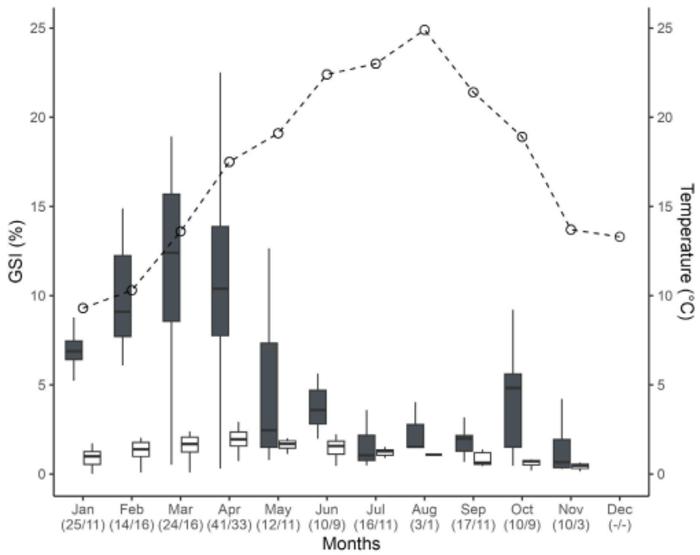
Throughout the study period, spawning activity was noted to occur predominantly between February and June. This seasonal timing is likely a strategic adaptation, enabling offspring survival during extreme hydrological events that typify the region, such as spring floods. By spreading their reproductive efforts over an extended period, the species enhances its chances of survival in fluctuating environments, thereby complicating management attempts. The researchers articulated that this reproductive strategy not only increases juvenile survival rates but also plays a role in reducing competition for food resources as the youngsters slightly vary in size and age throughout their growth.
The reproductive characteristics of the European Catfish also reveal that individuals reach sexual maturity at approximately 70 centimeters in length, a relatively early achievement considering that this species can live up to 70 years. This early maturation allows for a greater window of reproductive opportunity, enabling the species to exert a more significant impact on the ecosystems they invade. This aspect of their life history, paired with their ability to produce nearly half a million oocytes per spawning season, underscores the urgent need to manage their populations effectively to prevent further ecological degradation.
The implications of this study are far-reaching. As Ribeiro noted, the primary goal for wildlife management and ecological preservation in Portugal revolves around controlling the population of European Catfish, particularly targeting larger individuals that contribute disproportionately to reproduction. Their considerable fecundity underscores their capacity to establish robust populations, highlighting the necessity for targeted removal efforts in areas where these fish thrive, such as the International Tagus Natural Park. In a single instance associated with the LIFE-PREDATOR project, research teams successfully culled approximately 1,200 kilograms of catfish in a three-day blitz, illustrating the pressing demand for efficient management tactics.
The invasive nature of Silurus glanis poses challenges not merely to native fish species but to the entire aquatic biodiversity in affected regions. As these predatory fish expand their range, the resulting loss of particular species could echo throughout the food web, destabilizing existing ecosystems. This research identifies the urgent need for an informed approach to combat the surge of this invasive species while preserving the intricate balance of aquatic habitats.
Continued efforts, such as those of the LIFE-PREDATOR project, aim to mitigate the spread of the European Catfish in southern European aquatic systems. This initiative, funded by the European Union’s LIFE Program and coordinated with multiple research institutions, strives to prevent further encroachment of Silurus glanis. The project’s collective ambition is to protect aquatic biodiversity by utilizing a systematic approach to monitoring and managing invasive species presence.
As the narrative surrounding the European Catfish unfolds, researchers highlight the importance of collaboration among scientists, environmental authorities, and local communities to forge sustainable solutions. Public awareness campaigns effectively will play a critical role in garnering support for the capture and removal initiatives necessary to protect native species and their habitats from this invasive predator.
Looking ahead, it is crucial that stakeholders remain vigilant and proactive in addressing the challenges posed by invasive species like the European Catfish. The continuous documentation of their life history strategies and reproductive behaviors will aid in constructing a robust framework that guides management practices, enabling the preservation of vital aquatic ecosystems threatened by invasive invaders.
Through rigorous research and strategic management efforts, there exists hope for curbing the invasion of the European Catfish and safeguarding the rich aquatic biodiversity that defines southern European environments. By understanding their reproductive dynamics and ecological impacts, we can pave the way towards a more biosecure future for these ecosystems.
In conclusion, the insights garnered from this comprehensive study of the European Catfish, coupled with collaborative management efforts, will be integral to tackling the burgeoning challenges posed by this invasive species. Research such as this paves the way for enhanced strategies and informed approaches necessary to restore balance to our freshwater ecosystems and prevent the further spread of invasive species.
Subject of Research: Animals
Article Title: Reproductive traits of the European catfish, Silurus glanis, during the early stages of invasion
News Publication Date: 24-Feb-2025
Web References: SNIRH
References: DOI
Image Credits: Credit: Gkenas, C., Sequeira, V., Ribeiro, D., Gago, J., Dias, D., Verma, C.R., Kumkar, P. and Ribeiro, F.
Keywords: European Catfish, Silurus glanis, invasive species, freshwater ecosystems, population control, reproductive traits, biodiversity conservation, aquatic ecosystems.
Tags: biodiversity loss due to predatorscatfish spawning season insightsconservation efforts for local habitatsecological impact of invasive fishelectrofishing for invasive speciesEuropean Catfish invasion in PortugalFilipe Ribeiro ecologist studyfreshwater ecosystem threatsgrowth rates of European Catfishinvasive species management strategiesMARE-ULisboa research findingsSilurus glanis reproductive behavior