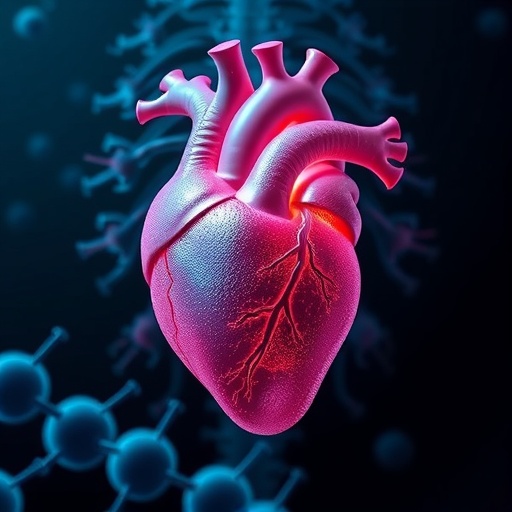
In a groundbreaking discovery poised to reshape the understanding and treatment of chemotherapy-induced heart damage, a collaborative team of researchers has unveiled the critical role of the protein MARCH2 in safeguarding cardiac cells from the toxic effects of doxorubicin. This revelation, reported recently in Nature Communications, offers a protective molecular mechanism that prevents cardiomyopathy—a debilitating condition characterized by weakening of the heart muscle—that frequently complicates cancer treatment regimens involving doxorubicin.
Doxorubicin is a potent anthracycline chemotherapeutic agent widely used against a multitude of cancers. Despite its efficacy, the drug’s clinical utility is severely limited by its cumulative cardiotoxicity. Patients subjected to doxorubicin therapy often develop cardiomyopathy, resulting in arrhythmias, heart failure, and increased mortality. The underlying molecular events leading to this cardiotoxicity have remained elusive, impeding efforts to protect patients’ cardiac function without compromising anticancer efficacy.
The team led by Liu, Li, Zhu, and colleagues identifies MARCH2—a membrane-associated RING-CH type finger protein—as a pivotal guardian that prevents the onset of doxorubicin-induced cardiomyopathy. They discovered that MARCH2 exerts cardioprotection by stabilizing NR1H2, a nuclear receptor also known as Liver X receptor beta (LXRβ), which plays an essential role in regulating lipid metabolism and inflammation within cardiac tissues.
At the cellular heart of this process lies the clearance of apoptotic cardiomyocytes—heart muscle cells undergoing programmed cell death due to doxorubicin exposure. Accumulation of these dying cells triggers secondary inflammation and fibrotic remodeling, exacerbating cardiac dysfunction. The researchers demonstrated that by stabilizing NR1H2, MARCH2 enhances the phagocytic removal of apoptotic cardiac cells, thus averting the inflammatory cascade and preserving myocardial integrity.
Using advanced in vivo models of doxorubicin-induced cardiotoxicity, the scientists showed that loss of MARCH2 exacerbated cardiac injury, leading to significant deterioration of cardiac function. Conversely, overexpression of MARCH2 protected against myocardial apoptosis and preserved ventricular performance. Mechanistically, MARCH2 was found to interact directly with NR1H2, preventing its ubiquitination and degradation. This sustained NR1H2 signaling facilitates efficient efferocytosis—the clearance of dying cardiomyocytes—by cardiac resident macrophages.
This molecular axis is particularly compelling, as NR1H2 has been extensively studied as a crucial regulator of cholesterol homeostasis, inflammation, and resolution of tissue injury but had not previously been connected to cardiomyocyte apoptosis clearance. The identification of MARCH2 as an upstream stabilizer expands potential therapeutic avenues aiming to bolster endogenous cardioprotective pathways.
Further investigations revealed that doxorubicin reduces endogenous MARCH2 levels in cardiomyocytes, sensitizing the heart to apoptotic injury. Restoration or pharmacological activation of the MARCH2-NR1H2 axis mitigates this vulnerability. These findings suggest therapeutic potential in either enhancing MARCH2 expression or mimicking its stabilizing effect on NR1H2 to shield patients against cardiotoxic side effects without interfering with doxorubicin’s anticancer potency.
Beyond apoptosis clearance, the research hints that MARCH2 and NR1H2 may orchestrate metabolic reprogramming in the stressed heart, adjusting lipid handling and inflammatory gene expression to promote tissue repair and functional recovery. This multifaceted cardioprotection positions the MARCH2-NR1H2 pathway as central to the molecular crosstalk governing cardiac resilience under chemotherapeutic stress.
The implications of these findings extend far beyond the laboratory. Chemotherapy-induced cardiomyopathy represents a significant clinical challenge in oncology, often forcing treatment dose reductions or discontinuation, which compromises cancer control. A therapeutic strategy augmenting MARCH2 activity promises to enable optimal use of doxorubicin, potentially improving patient survival outcomes both from cancer and heart disease perspectives.
This study employed comprehensive methodologies ranging from genetic manipulations in murine models, protein interaction assays, histological analyses, to functional cardiac imaging and molecular profiling. The researchers meticulously dissected the mechanistic basis of MARCH2’s cardioprotective action, validating their discoveries across multiple experimental platforms.
The research community is now faced with exciting questions: Can small molecules be developed to enhance MARCH2 function or stabilize NR1H2 in the human heart? Will these interventions prove effective and safe in clinical settings? Furthermore, could this pathway be relevant in other forms of cardiac injury beyond doxorubicin toxicity, such as ischemic heart disease or heart failure?
Given the global burden of cancer and the rising incidence of chemotherapy-associated cardiovascular complications, this discovery provides a beacon of hope. It exemplifies the power of molecular cardiology intersecting with oncology to devise innovative solutions to complex clinical dilemmas.
In the broader context, this study underscores the importance of investigating ubiquitin ligases like MARCH2, previously known mainly for their roles in protein quality control and immune regulation, in cardiovascular disease. The versatile functions of MARCH2 within the cardiac microenvironment open new research frontiers linking cell death, immune clearance, and metabolic regulation.
The careful delineation of the MARCH2-NR1H2 axis also reveals therapeutic biomarkers for assessing cardiotoxic risk and treatment response in patients receiving anthracyclines. Precision medicine approaches might leverage these molecular markers to personalize cancer therapy with built-in cardiovascular safeguards.
While further research and clinical validation are required, the present work by Liu and colleagues significantly advances the understanding of how the heart copes with chemotherapeutic stress at the cellular and molecular level. Their findings herald novel cardioprotective strategies that could revolutionize supportive care in oncology.
In summary, the elucidation of MARCH2’s protective role through NR1H2 stabilization and promotion of apoptotic cardiomyocyte clearance not only fills a critical knowledge gap but also sets the stage for transformative therapies. This innovative research reflects the dynamic interplay between cancer treatment and cardiovascular health, driving progress toward safer, more effective cancer care.
As the scientific community continues to explore and translate these insights, patients worldwide stand to benefit from reduced cardiac complications and improved quality of life during and beyond cancer treatment. This remarkable breakthrough is a testament to the power of interdisciplinary collaboration pushing the frontiers of biomedical science.
Subject of Research:
The molecular mechanisms underpinning the prevention of doxorubicin-induced cardiomyopathy via the protein MARCH2 and its stabilization of the nuclear receptor NR1H2, promoting clearance of apoptotic cardiomyocytes.
Article Title:
MARCH2 prevents doxorubicin-induced cardiomyopathy by stabilizing NR1H2 and promoting clearance of apoptotic cardiomyocytes.
Article References:
Liu, S., Li, Y.E., Zhu, T. et al. MARCH2 prevents doxorubicin-induced cardiomyopathy by stabilizing NR1H2 and promoting clearance of apoptotic cardiomyocytes. Nat Commun (2026). https://doi.org/10.1038/s41467-026-71580-z
Image Credits: AI Generated
Tags: anthracycline heart damagecancer treatment heart failure riskcardiac lipid metabolism regulationchemotherapy cardiotoxicity mechanismsdoxorubicin-induced cardiomyopathy preventioninflammation control in heart diseaseLiver X receptor beta cardiac functionMARCH2 protein cardioprotectionmembrane-associated RING-CH proteins in cardiologymolecular targets for cardiotoxicityNR1H2 stabilization heart cellsprotective pathways against chemotherapy toxicity