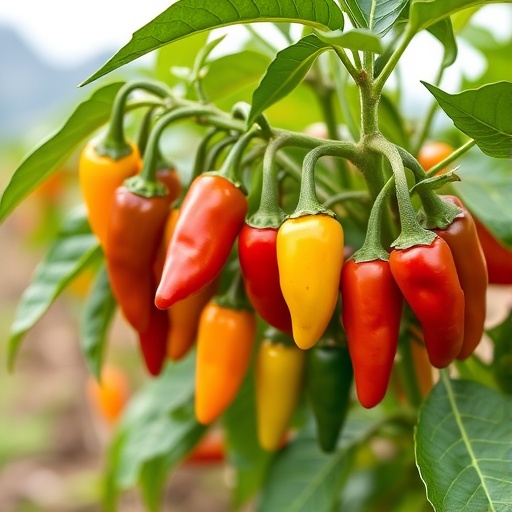
In a groundbreaking study that pushes the boundaries of agricultural science, researchers have embarked on an ambitious journey to delve deep into the genetic intricacies of the Capsicum genus, which encompasses myriad species, including the ever-popular bell peppers and fiery chili peppers. The significance of this research cannot be overstated, as it opens new avenues to enhance yield components, improve quality, and bolster disease resistance in these widely cultivated crops. The findings of this comprehensive genome-wide association study (GWAS) will undoubtedly reverberate across the agricultural sector and impact food security on a global scale.
The inspiration for this pioneering study emerged from the increasing demand for Capsicum species in culinary practices, health, and nutrition, alongside the challenges presented by climate change and evolving pest pressures. The research team, led by esteemed scientists such as Prasad, Kumar, and Tiwari, meticulously designed the study to not only identify key genetic markers associated with desirable traits but also to elucidate the underlying biological mechanisms governing these traits in Capsicum species. The potential implications for breeding programs are profound, offering insights that could lead to the development of crop varieties that thrive in adverse conditions and meet consumer preferences.
One of the core components of this research involved the utilization of advanced genomic tools and technologies to analyze vast amounts of genetic data. The researchers carefully selected a diverse panel of Capsicum accessions to ensure comprehensive representation across various genetic backgrounds. This strategic approach enabled them to explore the genetic diversity within the genus and identify specific alleles associated with yield, quality, and disease resistance. By leveraging high-throughput sequencing technologies and sophisticated bioinformatics approaches, the team was able to generate an extensive dataset that offers a treasure trove of information.
As the research progressed, the team employed robust statistical models to conduct genome-wide association analyses, revealing intricate relationships between genomic regions and phenotypic traits. The outcomes were remarkable, highlighting several candidate genes that are poised to serve as powerful tools for plant breeders looking to enhance specific traits within Capsicum species. These genes are now at the forefront of discussions surrounding the future of crop improvement, as they pave the way for developing new varieties that align with environmental sustainability goals.
Furthermore, the identification of these candidate genes extends beyond mere academic curiosity; it translates into tangible benefits for farmers. Enhanced disease resistance traits are particularly crucial in safeguarding crops against pathogens that threaten yield and quality. With climate change exacerbating these challenges, the ability to breed for resilient plants is essential. The findings of this study promise to aid in producing crops that can withstand the pressures of environmental change and remain productive in the face of increasing biotic stressors.
The implications of the research also touch on consumer preferences for Capsicum products. As global markets become more discerning, the demand for high-quality fruits with superior taste and nutritional value continues to rise. By pinpointing genetic loci associated with quality traits, this study sets the stage for a new era in breeding practices, where cultivars can be tailored not only for resilience but also for enhanced flavor profiles and nutritional content. This dual approach will help meet the needs of producers and consumers alike, fostering a more sustainable food system.
Importantly, the study lays a strong foundation for future research initiatives. The researchers emphasize the need for continued exploration of the genetic landscape of Capsicum species, advocating for collaborative efforts that bring together scientists, breeders, and agricultural stakeholders. As the global population continues to surge, the evolution of our food systems hinges on the innovation and ingenuity of the agricultural science community.
In addition to its scientific contributions, this research exemplifies the importance of interdisciplinary collaboration in tackling complex challenges. The integration of genetic research with practical breeding strategies underscores the necessity for scientists to work hand in hand with agricultural practitioners. By fostering dialogue and information-sharing between these domains, the impact of this research can be amplified, leading to real-world applications that benefit farmers and consumers alike.
As the findings circulate in academic and agricultural circles, one can anticipate a ripple effect across the horticultural landscape. Plant breeders armed with insights from this study are likely to embark on ambitious projects aimed at developing new varieties that embody the desired traits identified through GWAS. Such advancements could redefine the future of Capsicum cultivation, positioning farmers to thrive in an ever-changing agricultural environment.
In conclusion, this genome-wide association study signifies a monumental step forward in our understanding of the genetic underpinnings of Capsicum species. While challenges abound, the potential for innovation in breeding practices is limitless. The results of this research will serve as a guiding light for ongoing efforts in enhancing crop yield, quality, and disease resistance, ultimately contributing to a more sustainable and resilient agricultural system.
The excitement generated by these findings is palpable, illuminating the path forward for not only Capsicum species but for agriculture as a whole. As the scientific community digs deeper into the genetic intricacies revealed by this study, we are likely to see an explosion of research and innovation aimed at harnessing the power of genetics in the quest for food security and sustainability. The legacy of this work will undoubtedly inspire future generations of scientists and farmers dedicated to transforming the way we think about and cultivate our food sources.
With the world watching closely, the future of Capsicum research now holds even greater promise, inviting stakeholders from across the globe to join in the conversation about how we can leverage genetic advancements to feed a growing population sustainably. The implications of this study extend far beyond academia, resonating with the pressing challenges faced by the agricultural industry today.
In an era where the intersection of science, agriculture, and global health is more critical than ever, this research stands as a testament to what collaborative efforts can achieve. Through the lens of Capsicum species, we are reminded of the power of science to enact meaningful change, ensuring the future of our food systems is both innovative and resilient. It’s a thrilling time for agricultural science, and the journey continues as researchers strive to unlock the full potential of our crops, one gene at a time.
Subject of Research: Genetic Improvement in Capsicum Species
Article Title: Genome-wide association study and candidate gene identification for yield components, quality, and disease resistance traits in Capsicum species.
Article References: Prasad, I., Kumar, R., Tiwari, J.K. et al. Genome-wide association study and candidate gene identification for yield components, quality, and disease resistance traits in Capsicum species. Discov. Plants 2, 348 (2025). https://doi.org/10.1007/s44372-025-00403-0
Image Credits: AI Generated
DOI: https://doi.org/10.1007/s44372-025-00403-0
Keywords: Capsicum, genome-wide association study, crop improvement, disease resistance, yield components, agricultural science, sustainable farming.
Tags: agricultural science breakthroughsbreeding programs for Capsicum speciesCapsicum genetic traits mappingCapsicum yield improvement strategiesclimate change impact on Capsicumdisease resistance in bell peppersenhancing crop quality in peppersfood security and agricultural innovationgenetic markers for crop traitsgenome-wide association study Capsicumnutritional benefits of Capsicumpest resistance in chili peppers