


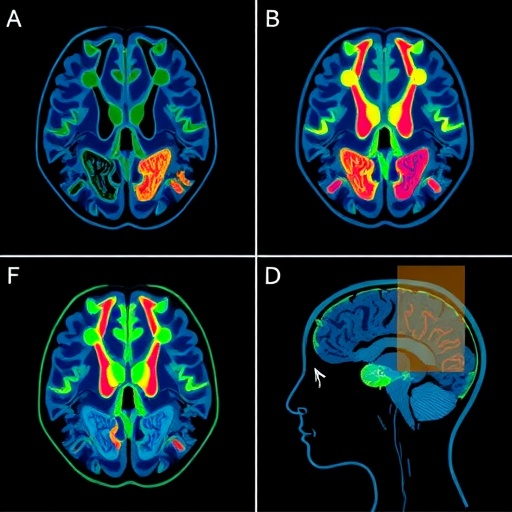
Preterm birth remains a significant public health concern, affecting approximately 1 in 10 infants globally. These premature infants face various challenges in their early stages of life, particularly in terms of neurodevelopment. Recent research has utilized innovative methodologies, such as group-based trajectory modeling and interpretable machine learning, to explore the complex interplay of factors influencing neurodevelopmental outcomes for these at-risk infants. This approach not only sheds light on the predictors of healthy development but also holds promise for targeted interventions that could mitigate risks associated with preterm birth.
The study conducted by Dai, Yang, Huang, and colleagues employs sophisticated statistical techniques to analyze data from a cohort of preterm infants. By applying group-based trajectory modeling, the researchers can categorize infants into distinct developmental paths. This technique enables them to identify patterns over time, revealing critical periods during which various interventions may be beneficial. It effectively illustrates how different infant characteristics and environmental factors contribute to their developmental trajectories.
Moreover, the integration of interpretable machine learning techniques enhances the transparency of the data analysis process. Unlike traditional machine learning methods that often operate as “black boxes,” interpretable models allow researchers and clinicians to understand which specific features influence neurodevelopmental outcomes. This is particularly vital in pediatric care, where comprehending the nuances of development can lead to more tailored and effective intervention strategies.
The findings of this research indicate that several key factors are associated with neurodevelopmental trajectories in preterm infants. These factors include not only medical and biological variables such as gestational age and birth weight but also psychosocial elements like parental involvement and socioeconomic status. By illuminating these associations, the study provides invaluable insights into how different spheres of influence can shape the developmental paths of preterm infants.
As researchers delve deeper into the data, they highlight the importance of early and ongoing assessments of neurodevelopment. By identifying infants at risk of suboptimal outcomes earlier in their lives, healthcare providers can implement strategies that focus on developmental support. This timely intervention could significantly improve long-term outcomes, thereby enhancing the quality of life for preterm infants and their families.
Additionally, the study advocates for a holistic approach to neonatal care that encompasses not just the medical needs of these infants but also the socio-environmental factors that they encounter. Engaging families in the care process, along with providing access to additional resources, can create a supportive environment conducive to healthy development. This perspective is gaining traction within pediatric healthcare, emphasizing that a multidisciplinary approach is essential for addressing the complex challenges faced by preterm infants.
The implications of this research extend far beyond academia. By equipping healthcare professionals with the knowledge derived from group-based trajectory modeling and interpretable machine learning, they can make informed decisions that directly impact prenatal and neonatal care practices. Consequently, initiatives that promote training and education for healthcare providers in these advanced analytical techniques may prove to be highly beneficial.
Moreover, the significance of this research lies in its potential to inspire future studies. As scientists continue to explore the intricacies of neurodevelopment in preterm infants, the methodologies established by Dai and colleagues can serve as a foundational framework for subsequent investigations. These methods can be adapted and expanded to include variables that may not have been fully explored, further refining our understanding of the neurodevelopmental landscape.
The use of advanced computational techniques also opens doors for building predictive models that can assess the risks of developmental delays based on newborn characteristics. Such models could revolutionize how healthcare systems allocate resources and prioritize interventions, ultimately improving the care provided to vulnerable populations. By identifying at-risk infants with greater accuracy and speed, practitioners can adjust care plans proactively rather than reactively.
In summary, the research led by Dai, Yang, Huang, and their team encapsulates a transformative shift in how we approach neurodevelopment in preterm infants. By harnessing the power of group-based trajectory modeling and interpretable machine learning, they provide a clearer picture of the complexities involved in infant development. Their findings underscore the multifactorial nature of development and advocate for an inclusive, data-driven approach to neonatal care.
As the longitudinal impacts of preterm birth continue to be explored, studies such as these serve as critical stepping stones toward improving the lives of millions of children worldwide. By fostering a collaborative environment between researchers and healthcare providers, we can pave the way for innovative interventions that truly make a difference. The work done in this study not only contributes to our scientific repository but also symbolizes hope for countless families navigating the uncertain journey of prematurity.
Given the complexity of this topic, the research demands extensive collaboration across various fields, including pediatrics, psychology, and data science. Continuous advancements in these areas will be pivotal in shaping best practices and crafting policies that better serve preterm infants and their families. As the conversation around preterm development evolves, the findings from this study will undoubtedly inform future research agendas and clinical practices for years to come.
In conclusion, the intersection of advanced modeling techniques and the urgent need for better outcomes for preterm infants creates an intriguing landscape for future exploration. The fusion of data science and traditional healthcare signifies a progressive step toward a more integrated and effective approach to understanding and fostering neurodevelopment in at-risk children. As we continue to glean insights from such research, we must remain steadfast in our commitment to improving the lives of preterm infants and providing them the best possible start in life.
Subject of Research: Neurodevelopmental trajectories in preterm infants
Article Title: Group-based trajectory modelling and interpretable machine learning to identify factors associated with neurodevelopmental trajectories in preterm infants.
Article References:
Dai, K., Yang, X., Huang, M. et al. Group-based trajectory modelling and interpretable machine learning to identify factors associated with neurodevelopmental trajectories in preterm infants.
BMC Pediatr (2026). https://doi.org/10.1186/s12887-025-06476-w
Image Credits: AI Generated
DOI: 10.1186/s12887-025-06476-w
Keywords: preterm infants, neurodevelopment, group-based trajectory modeling, interpretable machine learning, pediatric care, developmental outcomes.
Tags: challenges of premature birthdevelopmental paths of preterm infantsenvironmental factors affecting neurodevelopmentgroup-based trajectory modelinginnovative methodologies in pediatric researchinterpretable machine learning methodsmachine learning in healthcarepredictors of healthy developmentpreterm infants neurodevelopmentpublic health concerns of preterm birthstatistical techniques in infant researchtargeted interventions for preterm infants



