In Brazil, a comprehensive study conducted by Pereira, Rodrigues, Ferraz, and their colleagues has shed light on the geographic disparities in meningococcal C vaccination coverage among children from 2012 to 2024. This research is particularly relevant as it highlights the ongoing challenges faced in public health, especially in relation to vaccine distribution and the prevention of infectious diseases. The study was published in the journal BMC Pediatrics and aims to inform both policymakers and the general public about the importance of equitable healthcare access.
Meningococcal disease, which is caused by the bacterium Neisseria meningitidis, remains a significant threat to child health across the globe. Among various serogroups, meningococcal serogroup C has sparked interest due to its potential to cause epidemics. Vaccination is the most effective preventive measure against this devastating disease. In Brazil, the introduction of the meningococcal C vaccine was a monumental public health initiative aimed at reducing incidence rates. However, discrepancies in vaccination coverage have raised concerns regarding the protection of vulnerable groups.
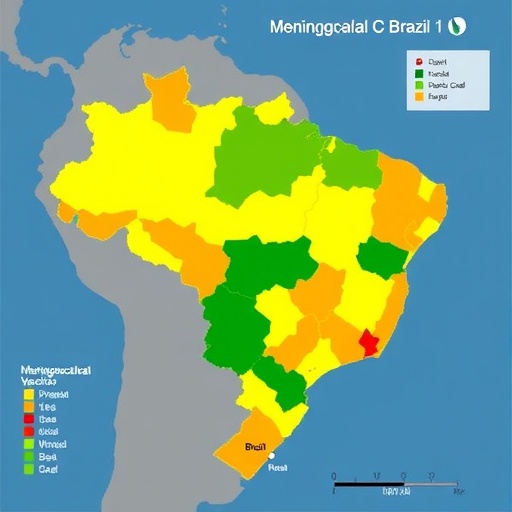
Through their spatial analysis, the researchers meticulously charted vaccination coverage rates across various regions in Brazil, revealing pronounced inequalities. Urban areas displayed higher vaccination rates compared to rural locales, shedding light on systemic issues associated with healthcare access. These findings underscore not only the geographical disparities in health interventions but also the socioeconomic factors that contribute to inequitable health outcomes among children.
The methodology employed in this study is noteworthy. Utilizing geographic information systems (GIS), researchers were able to visualize meningococcal vaccination coverage against a backdrop of demographic data and healthcare infrastructure. This technological approach provided invaluable insights into how geographic positioning correlates with vaccination uptake, allowing for targeted interventions in areas lagging in coverage.
Understanding the distribution of vaccination rates in Brazil is pivotal. The researchers discovered that while some states boasted vaccination rates exceeding 90%, others struggled to hit even the 70% mark. This lack of uniformity can be devastating, as lower vaccination coverage not only increases susceptibility to meningococcal disease but also hampers herd immunity, thus placing entire communities at risk.
Moreover, the study’s timeline from 2012 to 2024 reflects the evolving landscape of vaccination efforts in Brazil. Over the years, various public health campaigns and initiatives were launched to boost immunization rates, yet the persistence of local disparities calls for a reevaluation of strategies. Policymakers are urged to consider these findings, integrating spatial analyses into the planning of national health initiatives.
Community engagement also plays a crucial role in vaccine acceptance. The study emphasizes the necessity for health educators to actively disseminate information about the protective benefits of vaccines, clarifying misconceptions and countering vaccine hesitancy, which can substantially impact coverage rates. Cultural beliefs, fear of side effects, and misinformation can deter parents from vaccinating their children and must be addressed through tailored outreach programs.
Investigating the obstacles faced by families in accessing vaccination services also unveiled systemic barriers. Issues such as transportation, awareness of vaccination schedules, and trust in healthcare providers can heavily influence a family’s decision to vaccinate. The researchers advocate for coordinated efforts among health authorities, community leaders, and local organizations to bridge these gaps, ensuring all children have timely access to essential vaccinations.
The implications of this research extend beyond mere numbers. By identifying the regions of highest concern, health authorities can prioritize resources effectively, focusing their efforts where they are most needed. This data-driven approach empowers decision-makers to implement targeted interventions, thereby enhancing vaccination rates and, ultimately, protecting the health of Brazil’s children.
Another critical aspect highlighted by the researchers is the role of routine immunization programs. The success of any vaccination initiative hinges on robust and continuous health systems. Challenges such as stockouts, bureaucratic inefficiencies, and the need for trained personnel to administer vaccines can significantly hamper vaccination efforts. Strengthening these systems is paramount to achieving broader public health goals.
Furthermore, this study coincides with a growing global emphasis on the importance of vaccinations, especially in light of recent public health crises. The COVID-19 pandemic has underscored vulnerabilities within health systems and the necessity for resilient, adaptable responses to emerging infectious diseases. As Brazil moves forward, integrating lessons learned from this period into vaccination strategies will be crucial in safeguarding child health.
In conclusion, the study’s findings serve as a clarion call for enhancing meningococcal C vaccination coverage across Brazil. To truly protect children from this serious illness, concerted efforts must be made to rectify the disparities laid bare by this analysis. The authors advocate for an integrated approach, considering socioeconomic factors, community engagement, and robust health systems. The work of Pereira and colleagues stands as a vital contribution to the discourse on vaccination equity and public health strategy.
Moving forward, it’s essential that public health officials and governments use these insights to inform policy and allocate resources effectively. The hope is that with dedicated strategies, Brazil can achieve higher vaccination coverage, thus reducing the incidence of meningococcal disease and protecting future generations. Engaging communities, enhancing healthcare access, and ensuring the delivery of vaccines are pivotal steps to safeguarding children’s health against preventable diseases like meningococcal infection.
Subject of Research: Geographical disparities in meningococcal C vaccination coverage in Brazilian children.
Article Title: Spatial analysis of meningococcal c vaccination coverage in children in BRAZIL between 2012 and 2024.
Article References:
Pereira, P.L.G., Rodrigues, G.J.C., Ferraz, M.L. et al. Spatial analysis of meningococcal c vaccination coverage in children in BRAZIL between 2012 and 2024. BMC Pediatr (2025). https://doi.org/10.1186/s12887-025-06305-0
Image Credits: AI Generated
DOI:
Keywords: Meningococcal C, vaccination coverage, children, Brazil, public health, disparities, spatial analysis, healthcare access.
Tags: BMC Pediatrics research findingschild health and meningococcal diseaseequitable healthcare access in Brazilgeographic disparities in vaccination coverageinfectious disease prevention strategiesMeningococcal C vaccination Brazilmeningococcal serogroup C epidemicsNeisseria meningitidis and public healthpublic health challenges in Brazilspatial analysis of vaccination ratesurban vs rural vaccination ratesvaccine distribution issues