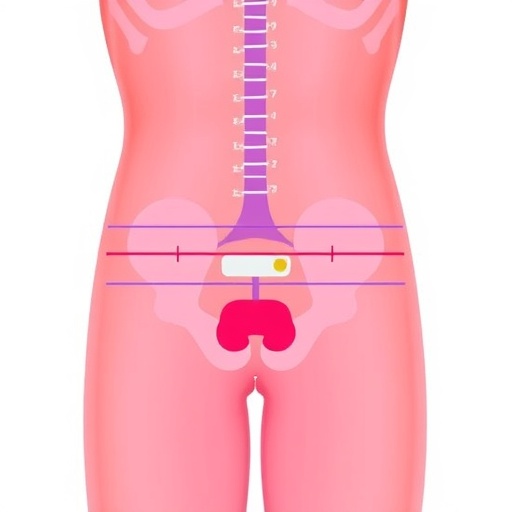
In a groundbreaking study that could transform our understanding and treatment of abdominal aortic aneurysm (AAA), researchers have uncovered a pivotal role of macrophage Gsα in regulating the stability of the NLRP3 inflammasome. This discovery shines a light on previously underappreciated molecular mechanisms fueling inflammation-driven vascular diseases and offers a promising therapeutic avenue to combat the life-threatening progression of AAA, particularly in male subjects.
Abdominal aortic aneurysm is a debilitating and potentially fatal condition characterized by the progressive dilation and weakening of the abdominal aorta. Despite advances in vascular surgery and imaging technologies, effective medical therapies to halt or reverse AAA development remain scarce. The pathological hallmark of AAA involves chronic inflammation, extracellular matrix degradation, and smooth muscle cell apoptosis, processes that have been linked extensively to innate immune responses. Among immune effectors, macrophages play a critical role by orchestrating inflammatory cascades, yet the intracellular pathways regulating their contribution have remained elusive until now.
The team led by He, Qin, Ren, and others delved deep into the molecular interplay within macrophages focusing on the Gsα protein, a key signaling molecule traditionally implicated in cyclic AMP (cAMP) pathways. Through meticulous in vivo and in vitro experiments, they demonstrated that macrophage-expressed Gsα is essential for maintaining the stability of the NLRP3 inflammasome, a multiprotein complex known to mediate inflammatory cytokine release. The NLRP3 inflammasome, by activating caspase-1 and subsequent IL-1β secretion, exacerbates vascular inflammation, thus accelerating pathological remodeling in the abdominal aorta.
Mechanistically, Gsα appears to facilitate NLRP3 stability by preventing its ubiquitination and proteasomal degradation within macrophages. This post-translational modification control reveals an uncharted layer of regulatory complexity, wherein Gsα ensures persistent inflammasome signaling under stress conditions. Loss or inhibition of macrophage Gsα destabilizes NLRP3, attenuating the inflammasome activity and consequently reducing vascular inflammation and aneurysm progression. This discovery is pivotal as it highlights macrophage Gsα as a nodal point controlling inflammasome-dependent vascular pathology.
Using male mouse models genetically engineered to lack Gsα specifically in macrophages, the researchers observed a dramatic reduction in AAA incidence and severity. This targeted genetic manipulation led to diminished inflammatory infiltrates and preserved extracellular matrix integrity in the abdominal aortic wall. Furthermore, pharmacological blockade of macrophage Gsα signaling recapitulated these protective effects, validating the translational potential of this pathway as a therapeutic target.
Importantly, the study sheds light on the gender bias observed in AAA prevalence, which predominantly affects males. The findings suggest that macrophage Gsα-driven NLRP3 stabilization may underlie sex-specific differences in disease susceptibility, providing a molecular explanation for epidemiological observations. Such insights pave the way for gender-tailored interventions that could markedly improve patient outcomes.
Beyond elucidating macrophage biology, this work integrates immunology and vascular pathology, revealing how intracellular signaling orchestrates complex tissue remodeling processes. The research underscores the inflammasome’s dual nature: while crucial for pathogen defense, its dysregulated activation can drive chronic inflammation and degenerative diseases if left unrestrained. Modulating its stability via Gsα offers a refined therapeutic strategy that respects immune homeostasis while curbing pathological inflammation.
The implications of manipulating macrophage Gsα extend beyond AAA to other inflammatory and autoimmune diseases where the NLRP3 inflammasome is implicated. Conditions such as atherosclerosis, rheumatoid arthritis, and neurodegenerative disorders might also benefit from therapeutic approaches emanating from this study. This broadens the relevance of the work, positioning it at the forefront of inflammation research.
Moreover, the investigation employed cutting-edge molecular techniques including CRISPR-mediated gene editing, high-resolution imaging, and proteomic analyses to unravel previously inaccessible cellular dynamics. The rigorous experimental design and comprehensive datasets reinforce the robustness of conclusions and provide a rich resource for the scientific community to explore further.
While the current study focuses on male mice, the researchers emphasize the necessity of investigating female models and diverse populations to fully understand sex-specific mechanisms and optimize clinical translation. Additionally, long-term studies to assess the safety and efficacy of potential Gsα inhibitors are essential steps before initiating clinical trials.
The discovery of macrophage Gsα’s role also raises intriguing questions about the wider signaling networks intersecting with inflammasome regulation. Future work will likely explore how metabolic cues, epigenetic modifications, and environmental factors converge on Gsα-NLRP3 interplay, potentially unveiling novel targets for comprehensive disease management.
In summary, this landmark study revolutionizes our understanding of abdominal aortic aneurysm by identifying macrophage Gsα as a master regulator of NLRP3 inflammasome stability. The revelation that targeting this pathway can prevent aneurysm progression introduces a paradigm shift with significant translational potential. As vascular diseases continue to impose a global health burden, such innovative strategies offer hope for more effective, personalized therapeutics.
The research, published in Nature Communications, stands as a testament to the power of interdisciplinary science in uncovering molecular mechanisms that underpin complex diseases. It not only advances the field of cardiovascular immunology but also sets the stage for future innovations in managing inflammation-driven pathologies.
This pioneering work exemplifies the critical need to dissect cellular microenvironments and their regulatory circuits to devise therapies that are both potent and precise. By elucidating how macrophage Gsα stabilizes NLRP3 and drives disease, it opens new frontiers for drug development and clinical intervention, ultimately promising to save lives affected by abdominal aortic aneurysms.
Subject of Research: The role of macrophage Gsα in promoting NLRP3 inflammasome stability and its impact on abdominal aortic aneurysm progression in male mice.
Article Title: Macrophage Gsα promotes NLRP3 stability and its intervention attenuates abdominal aortic aneurysm in male mice.
Article References:
He, L., Qin, X., Ren, Q. et al. Macrophage Gsα promotes NLRP3 stability and its intervention attenuates abdominal aortic aneurysm in male mice. Nat Commun (2026). https://doi.org/10.1038/s41467-026-71198-1
Image Credits: AI Generated
Tags: abdominal aortic aneurysm inflammationcAMP pathway in macrophagesextracellular matrix degradation in AAAgender differences in aneurysm progressioninflammation-driven vascular diseasesinnate immune response in AAAmacrophage Gsα signalingmacrophage role in vascular inflammationNLRP3 inflammasome regulationsmooth muscle cell apoptosis in aneurysmtherapeutic targets for AAAvascular disease molecular mechanisms