


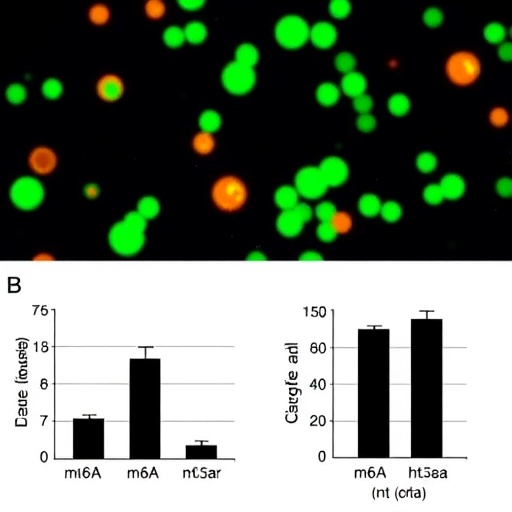
In a groundbreaking study published in Genes and Immunity, researchers have unveiled a critical link between m6A RNA methylation and the antiviral response mechanisms in patients with celiac disease. This revelation not only deepens our understanding of celiac disease pathophysiology but also opens promising avenues for therapeutic intervention in autoimmune and viral infections. The interdisciplinary team, led by Sebastian-delaCruz and colleagues, employed advanced molecular and cellular techniques to decipher how this specific epitranscriptomic modification modulates immune responses, ultimately influencing disease outcomes.
N6-methyladenosine (m6A) RNA methylation, a pivotal post-transcriptional modification, has garnered significant attention for its role in RNA stability, translation efficiency, and cellular homeostasis. Despite its recognition in various biological processes, its involvement in celiac disease, an autoimmune disorder triggered by gluten ingestion, remained enigmatic until this recent investigation. By meticulously profiling m6A methylation patterns in intestinal biopsies and immune cells from celiac patients, the study elucidated how alterations in m6A impact gene regulation in response to viral challenges, a factor previously overlooked in the complex etiology of celiac disease.
The team’s research framework focused on the intersection of immunology, epitranscriptomics, and virology, highlighting the sophisticated interplay between host defense mechanisms and autoimmune predisposition. Using next-generation sequencing coupled with m6A-specific immunoprecipitation, the authors identified a distinct m6A methylation signature that correlates with enhanced antiviral responses. This signature modulates the expression of key interferon-stimulated genes and immune regulators, potentially explaining the variation in viral clearance rates observed in celiac patients compared to non-affected individuals.
One of the study’s most compelling findings is the modulatory effect of m6A on the antiviral interferon pathway—a cornerstone of innate immunity. The methylation status of messenger RNAs encoding critical players in this pathway determines their stability and translational output, affecting the speed and magnitude of antiviral defense. In celiac disease, aberrant m6A modifications appear to dysregulate this balance, leading to either exacerbated inflammation or defective viral control, both of which can contribute to the disease’s clinical manifestations.
Moreover, the intricate crosstalk between viral infections and autoimmune responses in celiac patients gains new molecular clarity. The study points to viral infections as potential triggers or exacerbators of autoimmunity through mechanisms involving m6A-regulated gene expression. This insight provides a novel explanation for anecdotal clinical observations where viral episodes preceded or intensified celiac disease symptoms, suggesting that m6A-mediated pathways could be pivotal in this connection.
Mechanistically, the researchers uncovered that the perturbation of m6A modification enzymes, particularly methyltransferases and demethylases, alters immune cell phenotypes in the gut mucosa. These changes influence the activation status of T cells and dendritic cells, culminating in the dysregulated immune recognition of gluten peptides—hallmark events in the pathogenesis of celiac disease. This finding bridges the gap between epigenetic alterations and immune dysregulation, forging a new conceptual framework for disease pathogenesis.
Therapeutic implications stemming from this study are profound. Targeting m6A machinery represents a promising strategy to recalibrate immune responses, potentially curbing inappropriate inflammation while enhancing antiviral defenses. Future pharmaceutical developments could involve modulators of m6A writer and eraser enzymes aimed at restoring homeostasis in patients, providing a dual benefit by mitigating autoimmune damage and improving viral clearance outcomes.
Additionally, the study advocates for biomarker development based on m6A methylation profiles to predict disease activity and response to treatment in celiac disease. Such biomarkers could revolutionize personalized treatment approaches, allowing clinicians to stratify patients based on their epitranscriptomic landscape and tailor interventions accordingly, thus maximizing efficacy and minimizing adverse effects.
From a broader perspective, this work accentuates the role of epitranscriptomics in immune system regulation, extending beyond celiac disease to other autoimmune disorders and infectious diseases. The paradigms established here underscore the necessity of integrating RNA modifications into the immunological research agenda, potentially transforming our approach to understanding and combating immune-mediated conditions.
Crucially, this research also raises questions about environmental factors influencing m6A landscapes, such as diet, microbiota, and concurrent infections, emphasizing the dynamic nature of epitranscriptomic regulation. Unraveling how these external variables intersect with genetic predisposition could illuminate new preventive strategies and lifestyle modifications for celiac patients and at-risk populations.
Collaborative efforts combining immunology, molecular biology, and clinical research exemplify the strength of interdisciplinary science showcased in this study. By leveraging cutting-edge technologies and comprehensive patient cohorts, the authors not only authenticated their findings but also set a precedent for future investigations into the epigenetic regulation of immune responses.
As the field moves forward, further exploration into the temporal dynamics of m6A modifications during disease progression and treatment will be vital. Longitudinal studies assessing how m6A marks evolve in response to gluten exposure, antiviral therapy, and immunomodulatory drugs will provide invaluable insights into therapeutic windows and resistance mechanisms.
The implications of these discoveries ignite excitement about the potential of epitranscriptomic interventions as a new frontier in precision medicine. By harnessing the power of m6A RNA methylation modulation, clinicians and researchers might soon revolutionize how autoimmune diseases like celiac disease are diagnosed, monitored, and treated, ultimately improving patient outcomes on a global scale.
In sum, the pioneering work of Sebastian-delaCruz and colleagues establishes m6A RNA methylation as a key regulatory axis in the antiviral responses that intertwine with the autoimmunity of celiac disease. This landmark study delivers a compelling narrative that redefines how we perceive RNA modifications in health and disease, presenting tangible prospects for innovative therapeutic avenues that address the unmet clinical needs of millions affected by this condition worldwide.
Subject of Research: The role of m6A RNA methylation in modulating antiviral responses in celiac disease.
Article Title: m6A RNA methylation modulates antiviral response in celiac disease.
Article References:
Sebastian-delaCruz, M., Olazagoitia-Garmendia, A., Pascual-Gonzalez, I. et al. m6A RNA methylation modulates antiviral response in celiac disease. Genes Immun (2026). https://doi.org/10.1038/s41435-025-00373-z
Image Credits: AI Generated
DOI: 10 January 2026
Tags: advanced sequencing methods in researchantiviral response in celiac diseaseautoimmune disorders and viral infectionsceliac disease pathophysiologyepitranscriptomic modifications in immunitygene regulation in celiac diseasehost defense mechanisms against virusesintersection of immunology and virologyintestinal biopsies and immune profilingm6A RNA methylationmolecular techniques in immunologytherapeutic interventions for autoimmune diseases



