• HOME
  • NEWS
  • EXPLORE
    • CAREER
      • Companies
      • Jobs
    • EVENTS
    • iGEM
      • News
      • Team
    • PHOTOS
    • VIDEO
    • WIKI
  • BLOG
  • COMMUNITY
    • FACEBOOK
    • INSTAGRAM
    • TWITTER
Wednesday, November 11, 2026
BIOENGINEER.ORG
No Result
View All Result
  • Login
  • HOME
  • NEWS
  • EXPLORE
    • CAREER
      • Companies
      • Jobs
        • Lecturer
        • PhD Studentship
        • Postdoc
        • Research Assistant
    • EVENTS
    • iGEM
      • News
      • Team
    • PHOTOS
    • VIDEO
    • WIKI
  • BLOG
  • COMMUNITY
    • FACEBOOK
    • INSTAGRAM
    • TWITTER
No Result
View All Result
Bioengineer.org
No Result
View All Result
Home NEWS Science News Health

Low-Flow Anesthesia Elevates Carboxyhemoglobin Without Linking to Oxidative Stress Changes

by
November 11, 2026
in Health
Reading Time: 2 mins read
0
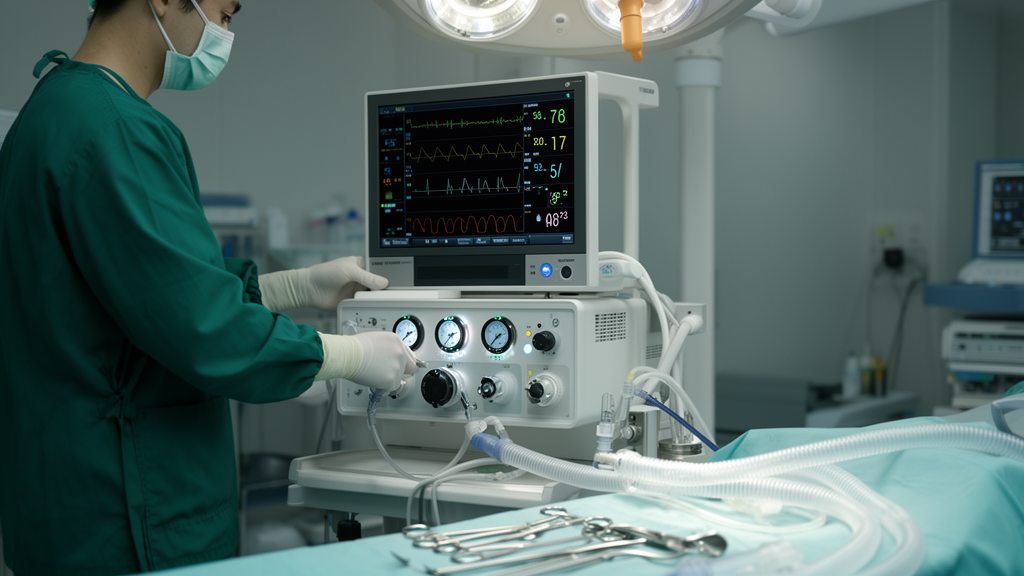
Low-Flow Anesthesia Elevates Carboxyhemoglobin Without Linking to Oxidative Stress Changes

Low-Flow Anesthesia Elevates Carboxyhemoglobin Without Linking to Oxidative Stress Changes

Share on FacebookShare on TwitterShare on LinkedinShare on RedditShare on Telegram

In a prospective randomized controlled trial evaluating surgical patients, low-flow desflurane anesthesia produced modest increases in perioperative carboxyhemoglobin concentrations alongside altered oxidative stress biomarkers, yet changes in carboxyhemoglobin showed no direct correlation with systemic oxidative markers. Investigators observed that while patients receiving low-flow anesthesia exhibited higher carboxyhemoglobin concentrations during and after surgery compared to those managed with normal-flow anesthesia, these shifts were accompanied by higher total antioxidant status and lower total oxidant status rather than correlated oxidative strain.

The clinical investigation addressed concerns surrounding low-flow anesthesia circuits, where decreased fresh gas flow rates may elevate perioperative carboxyhemoglobin levels due to increased gas rebreathing and carbon monoxide formation within the breathing system. Prior to this trial, it remained uncertain whether these modest increases in circulating carboxyhemoglobin translate into measurable physiological alterations in systemic oxidative stress-related biomarkers in individuals receiving volatile inhalational agents.

In this prospective randomized controlled trial, researchers evaluated 130 ASA I non-smoking adults undergoing elective open general surgery lasting at least two hours.

Participants were randomly allocated in equal numbers to one of two distinct intraoperative regimens: Group LA received low-flow desflurane anesthesia comprising 65 patients, while Group NA received normal-flow desflurane anesthesia comprising 65 patients. Venous blood samples were collected across three predefined intervals: before anesthesia induction at baseline, at the conclusion of the second intraoperative hour, and 24 hours postoperatively to evaluate systemic biomarker trajectories over time.

Laboratory evaluations measured carboxyhemoglobin, total antioxidant status, total oxidant status, and hypoxia-inducible factor-1α across all scheduled sampling points. Baseline biomarker concentrations were comparable between groups.

Following surgical maintenance, Group LA demonstrated significantly higher carboxyhemoglobin concentrations both at the end of the second intraoperative hour and at 24 hours postoperatively compared with Group NA (all P < 0.05).

Despite the observed intergroup differences in global oxidative parameters and carboxyhemoglobin levels, subsequent correlation analyses revealed no statistically significant associations between changes in carboxyhemoglobin and corresponding shifts in total antioxidant status, total oxidant status, or hypoxia-inducible factor-1α. The authors concluded that while low-flow desflurane anesthesia modestly raises perioperative carboxyhemoglobin, the absence of biomarker correlation leaves the biological significance of these modest changes uncertain.

Hypoxia-inducible factor-1α concentrations did not differ significantly between groups.

Subject of Research: Perioperative carboxyhemoglobin and oxidative stress biomarkers during low-flow desflurane anesthesia

Article Title: Relationship between carboxyhemoglobin and oxidative stress-related biomarkers during low-flow and normal-flow anesthesia

Article References: Koksal, V., Koksal, E. N. M., Kursad, H., Kızıltunc, A., & Egilmez, E. (2026). Relationship between carboxyhemoglobin and oxidative stress-related biomarkers during low-flow and normal-flow anesthesia. BMC Anesthesiology. https://doi.org/10.1186/s12871-026-04366-x

Image Credits: AI Generated

DOI: 10.1186/s12871-026-04366-x

Keywords: carboxyhemoglobin, low-flow anesthesia, normal-flow anesthesia, desflurane, oxidative stress, total antioxidant status, total oxidant status, hypoxia-inducible factor-1α, perioperative monitoring, elective open general surgery, ASA physical status I, carbon monoxide formation, anesthesia circuit rebreathing, venous blood analysis, prospective randomized controlled trial, general anesthesia

News Source: Ophelia Keating. (November 11, 2026). Low-Flow Anesthesia Elevates Carboxyhemoglobin Without Linking to Oxidative Stress Changes. Scienmag.

Tags: anesthesia circuit rebreathingASA physical status Icarbon monoxide formationcarboxyhemoglobindesfluraneelective open general surgerygeneral anesthesiahypoxia-inducible factor-1αlow-flow anesthesianormal-flow anesthesiaoxidative stressperioperative monitoringprospective randomized controlled trialtotal antioxidant statustotal oxidant statusvenous blood analysis
Share12Tweet7Share2ShareShareShare1

Related Posts

Ultrasound Perfusion Fingerprinting Accurately Differentiates Benign and Malignant Breast Lesions

Ultrasound Perfusion Fingerprinting Accurately Differentiates Benign and Malignant Breast Lesions

November 11, 2026
Meta-Analysis Finds 14.80-Month Pooled Median Survival Following Glioblastoma Resection

Meta-Analysis Finds 14.80-Month Pooled Median Survival Following Glioblastoma Resection

November 11, 2026

Stromal Lymphocyte Density Predicts Longer Survival in Primary Pulmonary Lymphoepithelial Carcinoma

November 11, 2026

Worse Cancer Performance Status Predicts Higher Bleeding Risk During Thromboprophylaxis

November 11, 2026

POPULAR NEWS

  • Advanced Cardiac CT Fails to Establish Vasomotor Mechanisms or Clinical Benefits

    Advanced Cardiac CT Fails to Establish Vasomotor Mechanisms or Clinical Benefits

    29 shares
    Share 12 Tweet 7
  • Experts Address Challenges in Respiratory Virus Surveillance Dashboards

    29 shares
    Share 12 Tweet 7
  • Scientometric Analysis Unveils Rapid Growth in Quantum Machine Learning and Cybersecurity

    29 shares
    Share 12 Tweet 7
  • Appreciative Inquiry Refines Leadership Resilience Framework for South African Nurse Managers

    29 shares
    Share 12 Tweet 7

About

We bring you the latest biotechnology news from best research centers and universities around the world. Check our website.

Follow us

Recent News

Ultrasound Perfusion Fingerprinting Accurately Differentiates Benign and Malignant Breast Lesions

Meta-Analysis Finds 14.80-Month Pooled Median Survival Following Glioblastoma Resection

Stromal Lymphocyte Density Predicts Longer Survival in Primary Pulmonary Lymphoepithelial Carcinoma

Subscribe to Blog via Email

Enter your email address to subscribe to this blog and receive notifications of new posts by email.

Join 87 other subscribers
  • Contact Us

Bioengineer.org © Copyright 2023 All Rights Reserved.

Welcome Back!

Login to your account below

Forgotten Password?

Retrieve your password

Please enter your username or email address to reset your password.

Log In
No Result
View All Result
  • Homepages
    • Home Page 1
    • Home Page 2
  • News
  • National
  • Business
  • Health
  • Lifestyle
  • Science

Bioengineer.org © Copyright 2023 All Rights Reserved.