The global pandemic has altered countless lives, with long-term repercussions that continue to surface. One of the most concerning consequences is Long COVID, a condition that affects a significant number of individuals even after the acute phase of the infection has resolved. The symptoms of Long COVID vary considerably, leading to an emerging body of research aimed at understanding the myriad effects this condition has on those who suffer from it. A recent study from Denmark by Goldschmidt et al. delves into the intricate connections between ethnic backgrounds and the overall burden of symptoms experienced by Long COVID patients.
As the world grapples with the implications of Long COVID, it becomes essential to analyze these variations among different ethnic groups. For many patients, the journey into Long COVID is filled with uncertainty, as these individuals face an unpredictable array of symptoms that often disrupt their daily lives. The Danish study has unearthed critical insights into how these diverse experiences can be influenced by ethnic differences. This adds yet another layer to our understanding of societal health disparities, a topic that has gained increasing attention in recent years.
Long COVID can manifest as lingering fatigue, cognitive impairments, and various physical symptoms that might persist for months or even longer following the initial COVID-19 infection. As researchers conduct in-depth examinations of these lingering effects, the factors contributing to their manifestation continue to be of paramount importance. For instance, Goldschmidt and colleagues have highlighted notable discrepancies in symptom severity and persistence across different ethnic groups, suggesting that factors such as socioeconomic status, healthcare accessibility, and cultural attitudes toward illness may play significant roles.
This study draws attention to more than just the immediate medical conditions associated with Long COVID; it also highlights the impacts on work and daily life. Individuals grappling with Long COVID symptoms frequently find themselves unable to perform tasks they once managed effortlessly. The researchers explored how ethnic differences influenced these daily challenges, shedding light on the complex interplay between ethnicity and quality of life. This insight can help frame future healthcare policies aimed at supporting affected populations more effectively.
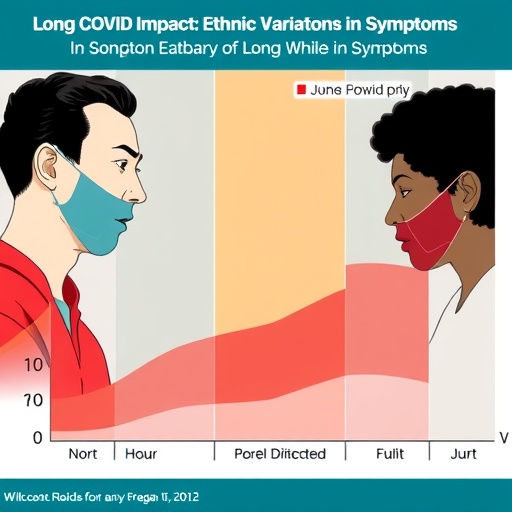
One compelling finding from the Danish study illustrates how individuals from different ethnic backgrounds report varying experiences of symptom burden. The data suggest that while some groups might experience a richer array of symptoms, others might battle particularly severe manifestations of a few. This disparity underscores the need for culturally competent healthcare providers who can tailor their approaches to meet the specific needs of diverse patient populations.
Moreover, workplace dynamics have shifted significantly due to Long COVID. Many employee assistance programs have struggled to adapt to this emerging challenge, with unclear guidelines resulting in inconsistent support for affected workers. This study provides crucial evidence that can guide these programs in addressing the unique challenges faced by long-term COVID sufferers, especially in recognizing the varied experiences among different ethnic groups.
Goldschmidt et al. also emphasize the importance of community support systems for Long COVID patients from various ethnic backgrounds, noting that such support can significantly mitigate feelings of isolation and enhance coping mechanisms. This perspective invites broader discussions about how community-based initiatives could play a crucial role in enhancing the lives of individuals experiencing Long COVID, especially during a time when social connections are more essential than ever.
In light of this research, healthcare systems must prioritize the integration of mental health resources alongside physical health assessments in Long COVID patients. Patients often confront mental health challenges as they navigate their symptoms and the accompanying social stigma. Understanding the mental health ramifications of Long COVID can help healthcare professionals create more comprehensive treatment plans.
Furthermore, health initiatives that aim to educate the public on the complexities of Long COVID, particularly its ethnic dimensions, are necessary. With increasing awareness, individuals will be better equipped to seek care and support while encouraging a societal shift toward empathy and understanding of those who suffer from lingering symptoms.
In summary, the Danish study stands as a pivotal contribution to the growing discourse surrounding Long COVID, shedding light on the intricate tapestry of ethnic differences that shape patients’ experiences. As researchers continue to unravel the complexities of this condition, the findings from Goldschmidt et al. serve as a reminder of the importance of tailoring healthcare solutions to accommodate the diverse needs of affected populations. In doing so, society can endeavor to create a more inclusive and effective healthcare landscape for all.
Subject of Research: Long COVID patient experiences and ethnic differences.
Article Title: Ethnic Differences in Symptom Burden, Work and Daily Life: A Study of Long COVID Patients in Denmark.
Article References: Goldschmidt, M.I., Mkoma, G.F., Petersen, J.H. et al. Ethnic Differences in Symptom Burden, Work and Daily Life: A Study of Long COVID Patients in Denmark. J GEN INTERN MED (2026). https://doi.org/10.1007/s11606-026-10214-y
Image Credits: AI Generated
DOI: https://doi.org/10.1007/s11606-026-10214-y
Keywords: Long COVID, ethnic differences, symptom burden, healthcare disparities, mental health, community support.
Tags: cognitive impairments in Long COVIDDanish study on Long COVIDethnic backgrounds and health outcomesethnic disparities in healthfatigue and Long COVIDimpact of Long COVID symptomsLong COVID ethnic variationslong-term effects of COVID-19research on long COVIDsocietal health disparitiessymptoms of post-acute COVID syndromeunderstanding Long COVID experiences