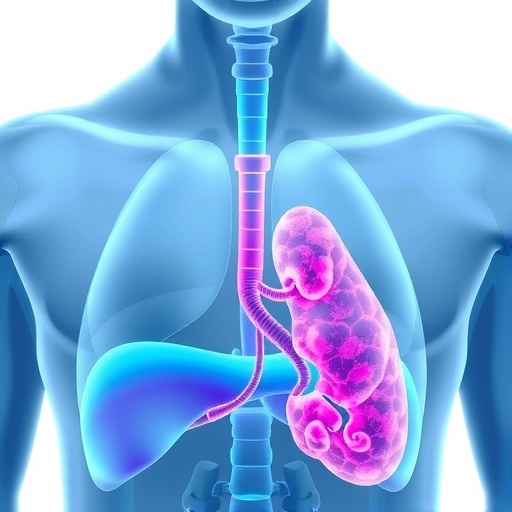
Light-chain amyloidosis (AL amyloidosis) has emerged as a critical area of research in recent years due to its complex and often devastating impact on organ function, particularly the liver. The accumulation of misfolded proteins, specifically light chains, can lead to significant hepatic dysfunction, which places patients at risk for a range of complications. A recent retrospective cohort study led by Xu, Guan, and Zhang et al. delves into the hepatic response dynamics in newly diagnosed patients, shedding light on this critical issue and providing valuable insights into disease management.
Understanding the nuances of hepatic responses in AL amyloidosis is essential for clinicians. The liver plays a pivotal role in metabolizing and clearing proteins. When misfolded light chains accumulate, the organ’s ability to perform these functions efficiently becomes compromised. The intricacies of this hepatic response were highlighted in the study, demonstrating that even subtle dynamics can have extensive clinical implications. The researchers aimed to elucidate how liver function varies among newly diagnosed patients and how these variations correlate with outcomes.
The analysis involved a cohort of patients who had received a definitive diagnosis of AL amyloidosis. They utilized comprehensive liver function tests and imaging modalities to assess hepatic response and structure. Results indicated that a significant proportion of patients exhibited abnormal liver function tests at the time of diagnosis, underscoring the critical need for early detection and intervention. These findings are vital, given that prompt treatment can lead to improved patient outcomes and potentially reverse some of the hepatic involvement.
One striking finding from the research is the variability of hepatic responses in patients with identical plasma cell disorders. This variability indicates that personalized assessment and treatment plans are essential. Some patients displayed mild transaminitis, while others faced severe hepatic impairment. This heterogeneity could be influenced by various factors, including the underlying burden of amyloid deposits and individual metabolic capacities. Understanding these factors can aid in selecting optimal therapeutic strategies tailored to individual needs.
Moreover, the study emphasized the importance of monitoring liver function throughout treatment. In instances where patients are receiving therapy for AL amyloidosis, ongoing assessments of hepatic function can provide crucial feedback regarding the efficacy of treatment. If liver function parameters improve, it may suggest a favorable response to therapy, whereas deterioration could herald the need for intervention adjustments or more aggressive management strategies.
The retrospective nature of the study, while illuminating, does have limitations worth noting. Data were gleaned from clinical records, which can sometimes lead to gaps in information. The authors have suggested that further prospective studies with controlled designs would help validate their findings and provide a more nuanced understanding of liver involvement in AL amyloidosis. As with many areas of clinical research, future studies will be essential in solidifying the foundations laid down by this recent work.
Importantly, the research aligns with broader trends in hematological studies emphasizing the importance of multidisciplinary approaches. The interplay between hematology and hepatology is crucial in diseases like AL amyloidosis, where the consequences of one organ’s dysfunction can dramatically impact overall health and disease prognosis. Collaborative care models can lead to improved patient outcomes, as different specialists bring their unique insights to the patient’s care.
As patients with AL amyloidosis are often treated with novel therapies aimed at reducing amyloid burden, the potential for hepatic recovery becomes an intriguing topic of discussion. Understanding how liver function evolves in response to these therapies can inform future clinical trials and patient management strategies. The goal is not only to target the underlying plasma cell dyscrasia but to enhance the quality of life and organ function for patients.
The findings from Xu et al.’s study will likely pave the way for future research into biomarkers that could predict hepatic involvement in AL amyloidosis. Such biomarkers could assist in identifying patients at risk for severe liver dysfunction early in their disease course, thus allowing for proactive monitoring and management. This could significantly alter clinical practice, moving towards a more preventative approach rather than a reactive one.
Indeed, as knowledge surrounding AL amyloidosis grows, so does the potential for targeted therapies to emerge. With advancements in our understanding of the pathophysiological mechanisms underpinning liver involvement, researchers may begin to uncover treatments that specifically mitigate hepatic damage while addressing the underlying hematologic disorder.
In summary, the retrospective cohort study by Xu and colleagues provides critical insights into the dynamics of hepatic responses in newly diagnosed patients with light-chain amyloidosis. The findings emphasize the need for heightened awareness of liver dysfunction in these patients and underscore the importance of ongoing liver function monitoring. As research continues to evolve, the implications for clinical practice and patient management are increasingly profound, highlighting a new era of personalized medicine in the treatment of amyloidosis and its associated complications.
The study serves as a reminder of the delicate interplay between various organ systems and the need for holistic treatment approaches. As researchers and clinicians work together to unravel the complexities of AL amyloidosis, the potential for improved patient outcomes grows ever closer, heralding a future where organ damage may be mitigated, and life quality enhanced.
In conclusion, the advancements highlighted in this study exemplify the progress made in understanding light-chain amyloidosis and its ramifications on hepatic function. With continued investigation and collaborative efforts, the ultimate goal remains to refine treatment strategies that will lead to better prognoses for those affected by this challenging condition.
Subject of Research: Hepatic response dynamics in light-chain amyloidosis
Article Title: Hepatic Response Dynamics in Newly Diagnosed Patients with Light-chain Amyloidosis: A Retrospective Cohort Study
Article References:
Xu, C., Guan, A., Zhang, L. et al. Hepatic Response Dynamics in Newly Diagnosed Patients with Light-chain Amyloidosis: A Retrospective Cohort Study. Adv Ther (2026). https://doi.org/10.1007/s12325-025-03474-3
Image Credits: AI Generated
DOI: https://doi.org/10.1007/s12325-025-03474-3
Keywords: Light-chain amyloidosis, hepatic dysfunction, liver response, retrospective cohort study, plasma cell disorder, patient outcomes, novel therapies, biomarker discovery, personalized medicine, multidisciplinary approach.
Tags: clinical implications of hepatic responsecomplications of liver dysfunctionhepatic dysfunction in AL amyloidosisinsights into disease management in amyloidosisLight-chain amyloidosis researchliver function tests in amyloidosis patientsliver response dynamics in light-chain amyloidosismisfolded proteins and liver healthoutcomes in newly diagnosed AL amyloidosisretrospective cohort study on amyloidosissignificance of liver in protein metabolismunderstanding hepatic response variations