• HOME
  • NEWS
  • EXPLORE
    • CAREER
      • Companies
      • Jobs
    • EVENTS
    • iGEM
      • News
      • Team
    • PHOTOS
    • VIDEO
    • WIKI
  • BLOG
  • COMMUNITY
    • FACEBOOK
    • INSTAGRAM
    • TWITTER
Wednesday, April 1, 2026
BIOENGINEER.ORG
No Result
View All Result
  • Login
  • HOME
  • NEWS
  • EXPLORE
    • CAREER
      • Companies
      • Jobs
        • Lecturer
        • PhD Studentship
        • Postdoc
        • Research Assistant
    • EVENTS
    • iGEM
      • News
      • Team
    • PHOTOS
    • VIDEO
    • WIKI
  • BLOG
  • COMMUNITY
    • FACEBOOK
    • INSTAGRAM
    • TWITTER
  • HOME
  • NEWS
  • EXPLORE
    • CAREER
      • Companies
      • Jobs
        • Lecturer
        • PhD Studentship
        • Postdoc
        • Research Assistant
    • EVENTS
    • iGEM
      • News
      • Team
    • PHOTOS
    • VIDEO
    • WIKI
  • BLOG
  • COMMUNITY
    • FACEBOOK
    • INSTAGRAM
    • TWITTER
No Result
View All Result
Bioengineer.org
No Result
View All Result
Home NEWS Science News Biology

Lion conservation requires effective international cooperation

Bioengineer by Bioengineer
September 13, 2017
in Biology
Reading Time: 2 mins read
0
Share on FacebookShare on TwitterShare on LinkedinShare on RedditShare on Telegram
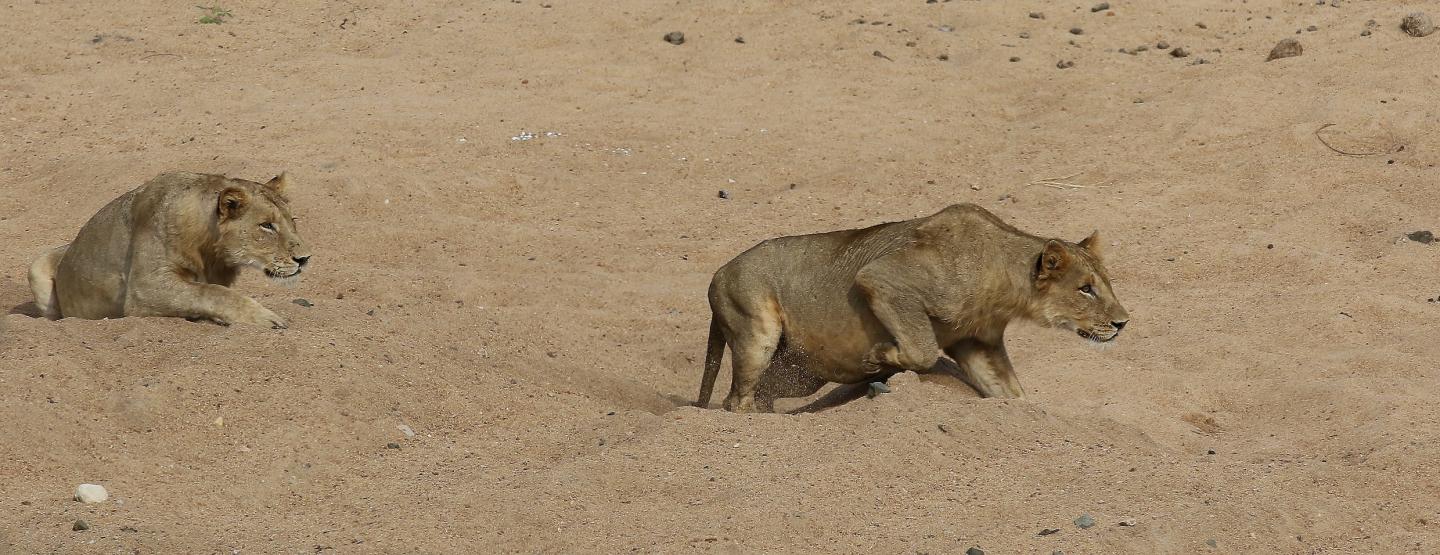
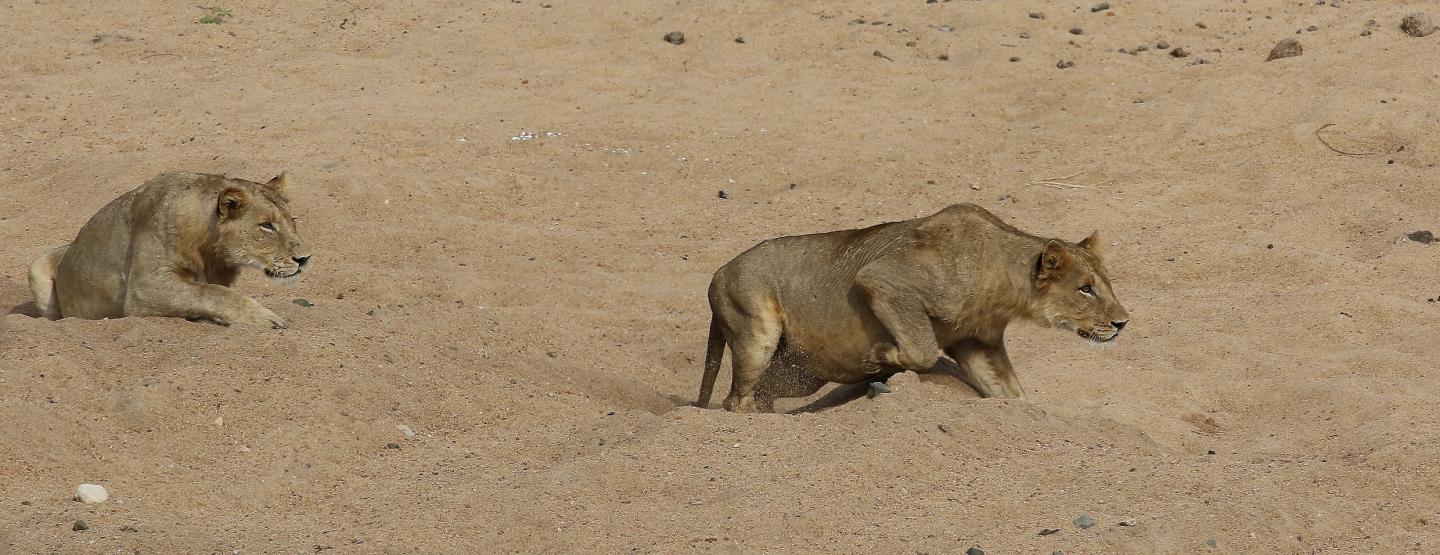
IMAGE

Credit: John L Lewis

Lions belong to the world's most charismatic megafauna. However, lion numbers and range have declined alarmingly over the last two decades.

"To turn the tide, international cooperation is crucial," says a team of lawyers, conservation biologists and social scientists.

In their recently published review article in the journal Nature Conservation, they assess the current and potential future role of international treaties regarding lion conservation.

To conduct this study, international wildlife lawyers Arie Trouwborst and Melissa Lewis from Tilburg Law School in the Netherlands teamed up with lion experts David Macdonald, Amy Dickman and other scientists from the University of Oxford's Wildlife Conservation Research Unit (WildCRU) – the research group that made Cecil the lion famous.

Their analysis clearly shows the importance of various global and regional treaties for lion conservation.

For instance, dozens of important lion areas have received international protection under treaties like the World Heritage Convention and the Ramsar Wetlands Convention, whereas trade in lion bones and hunting trophies is regulated through the Convention on International Trade in Endangered Species (CITES).

"There is still much room for improvement in the way the international commitments of lion range states are applied on the ground," the review notes.

However, the authors conclude that it is worthwhile to invest in such improvements, and stress the importance of strategies involving the local people who live alongside lions. The review offers many concrete recommendations for optimising the contributions of the various treaties to lion conservation.

A particularly important recommendation is to formally list lions under the Convention on the Conservation of Migratory Species (CMS). A proposal to list lions is on the agenda of the next intergovernmental summit of the parties to the CMS in October this year.

As lead author Arie Trouwborst explains:

"Listing the lion would raise the profile of this iconic species, and would moreover enable the CMS to provide a framework for coordinating and assisting conservation efforts in the 25 countries where lions still occur in the wild."

According to David Macdonald, Director of WildCRU:

"Biology is necessary, but not sufficient, to inform and deliver wildlife conservation. Our approach at the WildCRU in Oxford is holistic – this new partnership with international lawyers is a symbol of our determination to embrace knowledge from every discipline, leaving no stone unturned in our quest to conserve these iconic animals."

###

Original source:

Trouwborst A, Lewis M, Burnham D, Dickman A, Hinks A, Hodgetts T, Macdonald E, Macdonald D (2017) International law and lions (Panthera leo): understanding and improving the contribution of wildlife treaties to the conservation and sustainable use of an iconic carnivore. Nature Conservation 21: 83-128. https://doi.org/10.3897/natureconservation.21.13690

Contacts:

Arie Trouwborst, Tilburg Law School
Email: [email protected]

David Macdonald, WildCRU
Email: [email protected]

Media Contact

Arie Trouwborst
[email protected]
@Pensoft

http://www.pensoft.net

Related Journal Article

http://dx.doi.org/10.3897/natureconservation.21.13690

Share12Tweet8Share2ShareShareShare2

Related Posts

Do Your Genes Influence How Lifestyle Choices Affect Aging?

Do Your Genes Influence How Lifestyle Choices Affect Aging?

April 1, 2026
Combining Single-Cell Multiomics Unlocks Precise Identification of Rare Cell Types and States

Combining Single-Cell Multiomics Unlocks Precise Identification of Rare Cell Types and States

March 31, 2026

Genetically Engineered Marmosets Pave the Way for Advancements in Human Deafness Research

March 31, 2026

How Great Hammerhead Sharks Outsmart Ocean Temperature Swings: Insights from FIU Researchers

March 31, 2026
Please login to join discussion

POPULAR NEWS

  • blank

    Revolutionary AI Model Enhances Precision in Detecting Food Contamination

    96 shares
    Share 38 Tweet 24
  • Imagine a Social Media Feed That Challenges Your Views Instead of Reinforcing Them

    1006 shares
    Share 398 Tweet 249
  • Promising Outcomes from First Clinical Trials of Gene Regulation in Epilepsy

    51 shares
    Share 20 Tweet 13
  • Popular Anti-Aging Compound Linked to Damage in Corpus Callosum, Study Finds

    43 shares
    Share 17 Tweet 11

About

We bring you the latest biotechnology news from best research centers and universities around the world. Check our website.

Follow us

Recent News

Tracking Research on Adult Outcomes After Complex Perinatal History

Unveiling the Biological Pathways Linking Pesticides to Cancer Risk: New Study Sheds Light on Environmental Health Impacts

Inequities in Family Engagement Within the NICU

Subscribe to Blog via Email

Enter your email address to subscribe to this blog and receive notifications of new posts by email.

Join 78 other subscribers
  • Contact Us

Bioengineer.org © Copyright 2023 All Rights Reserved.

Welcome Back!

Login to your account below

Forgotten Password?

Retrieve your password

Please enter your username or email address to reset your password.

Log In
No Result
View All Result
  • Homepages
    • Home Page 1
    • Home Page 2
  • News
  • National
  • Business
  • Health
  • Lifestyle
  • Science

Bioengineer.org © Copyright 2023 All Rights Reserved.