In a groundbreaking synthesis of contemporary mental health research, Yan, Jiang, and Zhang have meticulously examined the intricate relationship between social exclusion and depressive symptomatology. Published in the International Journal of Mental Health and Addiction in 2025, their systematic review and meta-analysis offers a comprehensive lens through which the multifaceted impacts of social alienation upon mental health can be understood. This pivotal work aggregates evidence from diverse populations and employs rigorous statistical techniques to unearth patterns that deepen our understanding of how social factors intersect with psychological well-being.
At the core of this analysis lies the phenomenon of social exclusion—a complex social process characterized by the marginalization or ostracism of individuals or groups from societal participation. The authors outline social exclusion not merely as a physical or economic condition but as a profound psychosocial stressor capable of disrupting an individual’s sense of belonging, social identity, and perceived self-worth. This deprivation of social bonds, they argue, catalyzes a cascade of neurobiological, emotional, and cognitive effects that contribute significantly to the onset and maintenance of depressive symptoms.
The study systematically aggregated and synthesized data from numerous empirical investigations, drawing on quantitative studies that assess the relationship between social exclusion and depression across diverse age groups, cultural contexts, and socioeconomic statuses. By doing so, the authors transcended the limitations of localized findings to produce generalized conclusions with heightened external validity. The methodological robustness of this meta-analysis was grounded in strict inclusion criteria, rigorous bias assessment, and advanced statistical modeling, including random-effects models to accommodate heterogeneity among study outcomes.
Findings from the meta-analysis revealed a consistent, positive correlation between experiences of social exclusion and the severity of depressive symptoms. This association remained significant even after controlling for potential confounding variables such as socioeconomic status, physical health conditions, and pre-existing mental health disorders. These results underscore the potent psychological mechanisms through which exclusion functions—not merely as a parallel stressor but as an active contributor to mood dysregulation and depressive pathology.
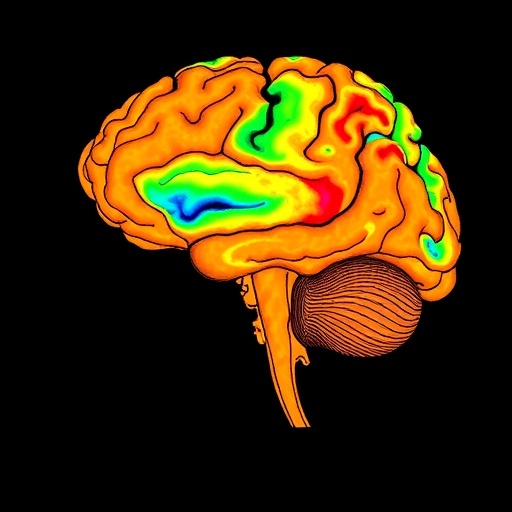
Delving deeper into mechanistic hypotheses, the authors explore neurobiological underpinnings, drawing on contemporary neuroscientific literature that implicates social pain as intertwined with somatic pain pathways in the brain. Neuroimaging studies cited highlight increased activity in the anterior cingulate cortex and insula during social exclusion experiences, regions integral to processing both physical pain and emotional distress. This biological overlap may explain why social exclusion can precipitate depressive symptoms, given the chronic activation of neural circuits responsible for affective pain processing.
Moreover, the meta-analysis elucidates the role of cognitive appraisal in modulating the impact of social exclusion. The authors discuss how individuals’ subjective interpretations of their social environments critically influence the degree to which exclusion triggers depressive symptoms. Rumination, self-criticism, and maladaptive attribution styles form cognitive pathways that exacerbate the psychological toll of exclusion, creating a feedback loop that entrenches depressive affect and hinders recovery.
Importantly, this systematic review traverses demographic variables to reveal differential susceptibilities across populations. Adolescents, whose developmental trajectories are intensely shaped by peer integration, exhibit heightened vulnerability to social exclusion, correlating with early onset depression and subsequent mental health trajectories. Conversely, older adults facing exclusion may experience compounded risks due to concurrent losses in physical health and social roles, situating social exclusion as a critical risk factor in geriatric depressive syndromes.
The socio-cultural dimensions of social exclusion also receive extensive treatment in the analysis. Variations in collectivist versus individualist cultural frameworks modulate the experience and consequences of exclusion, affecting both subjective distress and societal stigmatization. This adds a layer of complexity to intervention design, emphasizing the need for culturally sensitive approaches that account for community norms and social expectations in mitigating depression linked to exclusion.
In addressing clinical implications, Yan and colleagues highlight the necessity for mental health interventions to incorporate strategies targeting social reintegration and resilience-building. Psychotherapeutic approaches that bolster social skills, enhance self-efficacy, and reframe maladaptive thought patterns show promise in reducing depressive symptoms associated with exclusion. Additionally, community-based programs aimed at fostering inclusivity can serve as preventative measures that buffer against exclusionary experiences on a societal scale.
From a public health perspective, this meta-analysis serves as a clarion call to reevaluate how social policies impact mental health outcomes. The systemic nature of social exclusion, often rooted in discrimination, poverty, and institutional biases, demands a multidimensional response. Interdisciplinary collaboration is advocated to design policies that not only address economic disparities but also promote social cohesion and inclusion, thereby mitigating one of the key environmental determinants of depression.
The authors also acknowledge limitations inherent in the extant literature, such as variability in operational definitions of social exclusion and measurement heterogeneity across studies. These challenges point toward future research directions emphasizing standardized assessment tools and longitudinal designs capable of disentangling causality from association in the social exclusion-depression nexus.
Technological advancements in real-time social data monitoring and ecological momentary assessment present novel avenues for capturing the dynamics of social exclusion as they unfold in daily life. Integrating these with neurobiological and psychological assessments could revolutionize personalized intervention strategies and empower clinicians with tools for early detection and tailored treatment.
Critically, the meta-analysis emphasizes the bidirectional nature of the relationship between social exclusion and depression. While exclusion contributes to depressive symptoms, depression itself can provoke social withdrawal and impaired interpersonal functioning, fostering a self-perpetuating cycle. Understanding this reciprocity is essential to designing therapeutic modalities that disrupt these feedback loops and promote durable recovery.
In conclusion, Yan, Jiang, and Zhang’s systematic review and meta-analysis illuminate the psychological, neurobiological, and sociocultural intricacies linking social exclusion to depressive symptoms. Their work represents an essential advancement in mental health research, underscoring the necessity of addressing social determinants of mental health within clinical practice and public policy. As societies grapple with rising mental health burdens, this synthesis lays a critical foundation for integrated approaches that prioritize social inclusion as a keystone of mental well-being.
Subject of Research: Association Between Social Exclusion and Depressive Symptoms
Article Title: Association Between Social Exclusion and Depressive Symptoms: A Systematic Review and Meta-analysis
Article References:
Yan, Y., Jiang, H. & Zhang, Y. Association Between Social Exclusion and Depressive Symptoms: A Systematic Review and Meta-analysis. Int J Ment Health Addiction (2025). https://doi.org/10.1007/s11469-025-01609-9
Image Credits: AI Generated
DOI: https://doi.org/10.1007/s11469-025-01609-9
Tags: belongingness and psychological healthemotional consequences of social ostracismempirical research on social factors and depressionimpact of social exclusion on well-beingmeta-analysis on mental healthneurobiological effects of social exclusionpsychosocial stressors and depressionquantitative studies on mental healthrelationship between social alienation and depressionsocial exclusion and mental healthsocial identity and depressive symptomssystematic review of social exclusion