• HOME
  • NEWS
  • EXPLORE
    • CAREER
      • Companies
      • Jobs
    • EVENTS
    • iGEM
      • News
      • Team
    • PHOTOS
    • VIDEO
    • WIKI
  • BLOG
  • COMMUNITY
    • FACEBOOK
    • INSTAGRAM
    • TWITTER
Saturday, February 7, 2026
BIOENGINEER.ORG
No Result
View All Result
  • Login
  • HOME
  • NEWS
  • EXPLORE
    • CAREER
      • Companies
      • Jobs
        • Lecturer
        • PhD Studentship
        • Postdoc
        • Research Assistant
    • EVENTS
    • iGEM
      • News
      • Team
    • PHOTOS
    • VIDEO
    • WIKI
  • BLOG
  • COMMUNITY
    • FACEBOOK
    • INSTAGRAM
    • TWITTER
  • HOME
  • NEWS
  • EXPLORE
    • CAREER
      • Companies
      • Jobs
        • Lecturer
        • PhD Studentship
        • Postdoc
        • Research Assistant
    • EVENTS
    • iGEM
      • News
      • Team
    • PHOTOS
    • VIDEO
    • WIKI
  • BLOG
  • COMMUNITY
    • FACEBOOK
    • INSTAGRAM
    • TWITTER
No Result
View All Result
Bioengineer.org
No Result
View All Result
Home NEWS Science News Biology

Light pollution makes fish more courageous

Bioengineer by Bioengineer
September 21, 2018
in Biology
Reading Time: 2 mins read
0
Share on FacebookShare on TwitterShare on LinkedinShare on RedditShare on Telegram
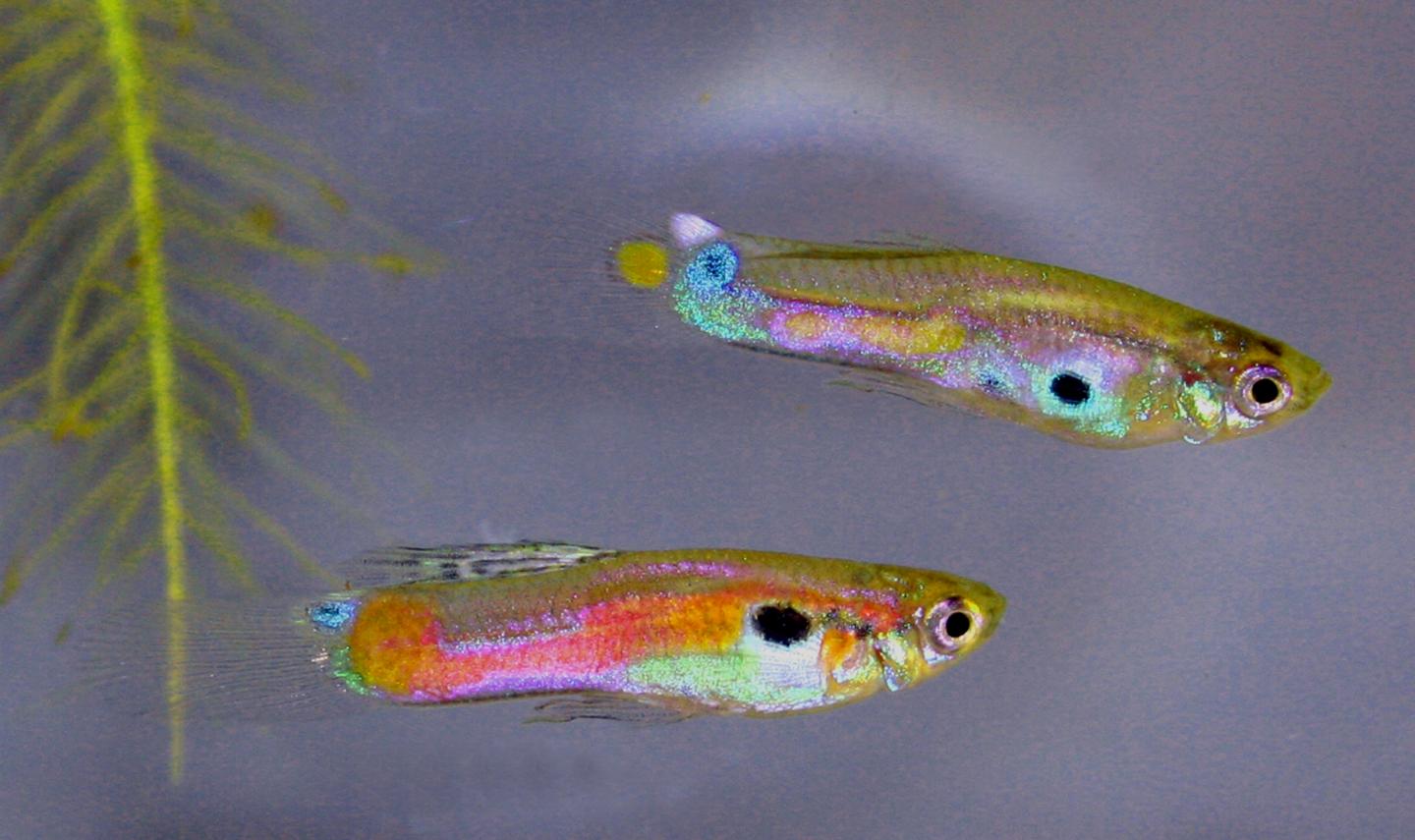
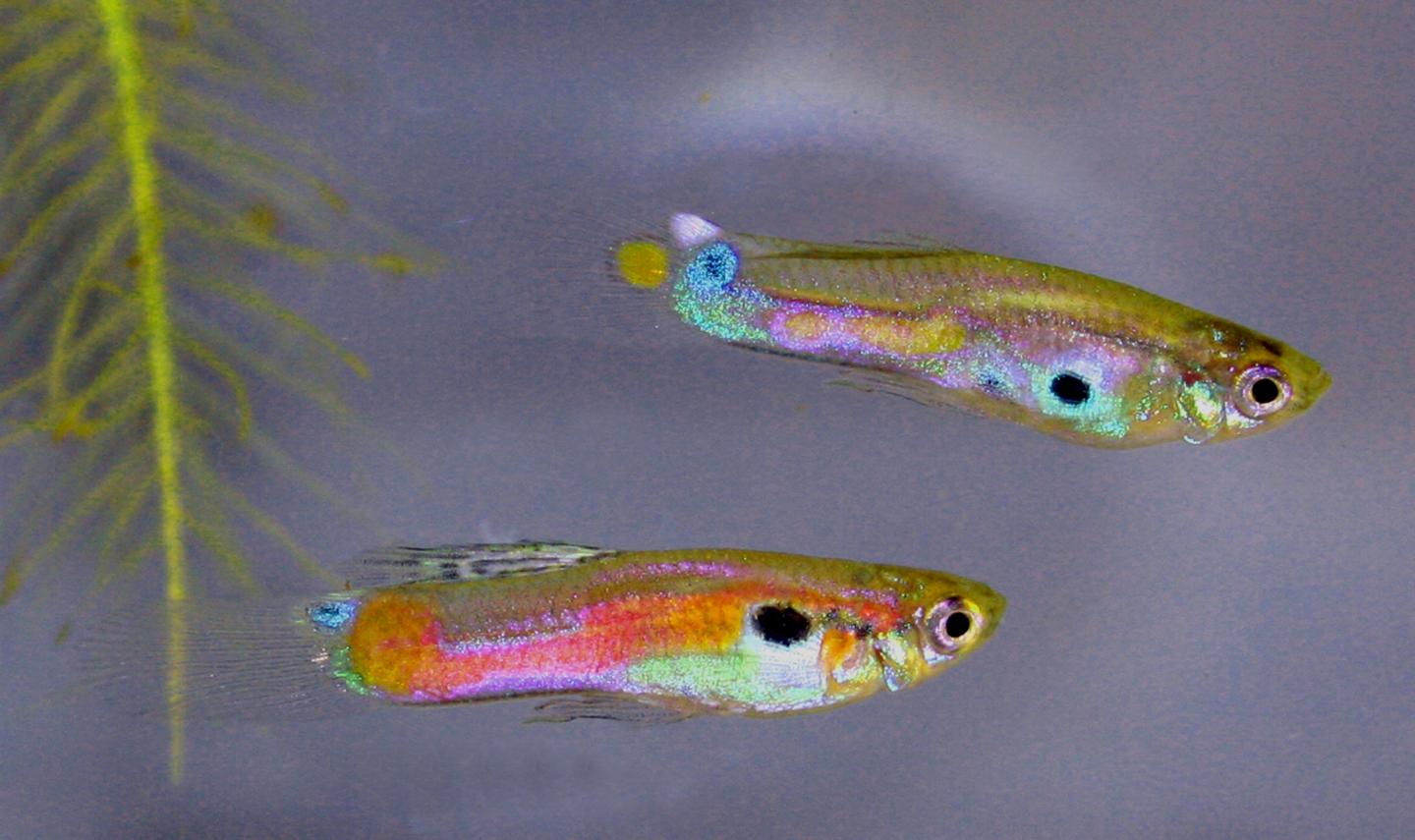
IMAGE

Credit: David Bierbach, IGB

Artificial light at night also makes guppies more courageous during the day, according to a behavioural study led by researchers from the Leibniz-Institute of Freshwater Ecology and Inland Fisheries (IGB) and the Max Planck Institute for Human Development. Exposing fish to artificial light at night, not only made fish more active during the night, but also made them emerge quicker from hiding places during the day, which could increase their exposure to predators. Nocturnal lighting, however, did not affect their swimming speed or social behaviour during the day.

Light pollution can have many influences on ecological processes. Previous research has shown that artificial light at night can have several direct consequences on night-time activity and movement patterns of animals. Many animal species, for example birds and insects, are attracted by artificial light sources at night and can, as a result, loose their orientation. But how artificial light at night impacts the behaviour of individuals during the day, when the source of light pollution is absent, is largely unknown. In this study, a team led by Ralf Kurvers of the MPI for Human Development in collaboration with the IGB, tested how exposure to artificial light at night affected the behaviour of fish during the day. As study species, they used guppies, a tropical freshwater fish and one of the model organisms of animal behavioural science. The scientists studied three groups of animals. Each group was exposed to the same bright light conditions during the day, but to different illuminations during the night. The first group experienced complete darkness at night; the second group was kept at a low light level at night, comparable to nocturnal illuminance under a street lamp; and the third group experienced bright light at night. After ten weeks of exposure, the scientists conducted behavioural tests to study the consequences of nightly light exposure on daytime behaviours.

The results: Fish left their hiding places faster during the day and swam more often in the riskier, open areas of the aquarium when exposed to strong, but also weak, artificial light at night. The light exposed fish thus increased their willingness to take risks. "The consequences of this increased risk taking behaviour are difficult to predict, but it is possible that they could be more at risk of predation by birds or other fish" says IGB researcher David Bierbach, co-author of the study. The light exposed fish did not differ in swimming speed and sociality, as compared to the control fish. "We suspect that the nocturnal light causes a stress response in the fish, and fish generally increase their risk taking when experiencing stress", explains Ralf Kurvers, lead author of the study. Also in humans, a disruption of the night can cause a stress response. For example, firefighters who slept fewer hours during the night had elevated levels of the stress hormone cortisol.

###

Media Contact

David Bierbach
[email protected]
49-306-418-1615

http://www.fv-berlin.de

Original Source

https://www.igb-berlin.de/en/news/light-pollution-makes-fish-more-courageous http://dx.doi.org/10.1038/s41598-018-32466-3
Share16Tweet8Share2ShareShareShare2

Related Posts

Florida Cane Toad: Complex Spread and Selective Evolution

Florida Cane Toad: Complex Spread and Selective Evolution

February 7, 2026
New Study Uncovers Mechanism Behind Burn Pit Particulate Matter–Induced Lung Inflammation

New Study Uncovers Mechanism Behind Burn Pit Particulate Matter–Induced Lung Inflammation

February 6, 2026

DeepBlastoid: Advancing Automated and Efficient Evaluation of Human Blastoids with Deep Learning

February 6, 2026

Navigating the Gut: The Role of Formic Acid in the Microbiome

February 6, 2026
Please login to join discussion

POPULAR NEWS

  • Robotic Ureteral Reconstruction: A Novel Approach

    Robotic Ureteral Reconstruction: A Novel Approach

    82 shares
    Share 33 Tweet 21
  • Digital Privacy: Health Data Control in Incarceration

    63 shares
    Share 25 Tweet 16
  • Study Reveals Lipid Accumulation in ME/CFS Cells

    57 shares
    Share 23 Tweet 14
  • Breakthrough in RNA Research Accelerates Medical Innovations Timeline

    53 shares
    Share 21 Tweet 13

About

We bring you the latest biotechnology news from best research centers and universities around the world. Check our website.

Follow us

Recent News

TPMT Expression Predictions Linked to Azathioprine Side Effects

Improving Dementia Care with Enhanced Activity Kits

Decoding Prostate Cancer Origins via snFLARE-seq, mxFRIZNGRND

Subscribe to Blog via Email

Enter your email address to subscribe to this blog and receive notifications of new posts by email.

Join 73 other subscribers
  • Contact Us

Bioengineer.org © Copyright 2023 All Rights Reserved.

Welcome Back!

Login to your account below

Forgotten Password?

Retrieve your password

Please enter your username or email address to reset your password.

Log In
No Result
View All Result
  • Homepages
    • Home Page 1
    • Home Page 2
  • News
  • National
  • Business
  • Health
  • Lifestyle
  • Science

Bioengineer.org © Copyright 2023 All Rights Reserved.