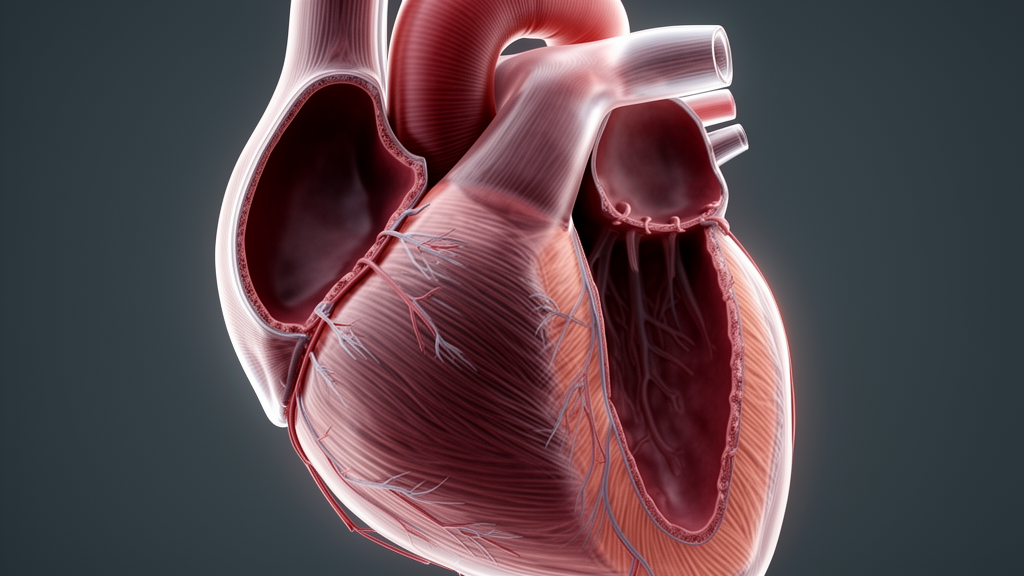
In an evaluation of cardiac mechanics, left ventricular diastolic dysfunction has been identified as a key mediator linking higher cardiovascular risk scores to impaired left atrial function among patients in sinus rhythm. The investigation, conducted by Mahmoud and colleagues and evaluated in an editorial in the Journal of Cardiovascular Imaging, examined how risk factor accumulation influences atrial mechanics in individuals without atrial fibrillation.
Originally developed for stroke risk stratification in patients with atrial fibrillation, the CHA₂DS₂-VASc score aggregates several cardiovascular risk factors that promote left ventricular diastolic dysfunction and left atrial remodeling. To examine early functional changes within this population, researchers analyzed speckle-tracking echocardiography measurements collected from 150 patients who maintained sinus rhythm.
The echocardiographic data revealed that left atrial reservoir strain and conduit strain decreased progressively as clinical risk scores increased. In contrast, the left atrial volume index showed no significant differences across risk categories. This notable divergence demonstrated that subclinical mechanical impairment of the left atrium developed well before measurable, overt structural enlargement occurred in the examined cohort.
Through statistical mediation analysis, the investigators demonstrated that the observed decline in left atrial conduit strain was largely mediated by left ventricular diastolic dysfunction. However, left atrial reservoir strain preserved a distinct direct association with the risk score. This residual relationship points toward an intrinsic atrial component, aligning with the pathological concept of primary atrial cardiomyopathy.
Commentators Yu Jin Chung and Ji-won Hwang emphasized that while these contemporary echocardiographic findings clarify atrial remodeling pathways, the underlying research carries principal limitations that warrant careful consideration. Further prospective longitudinal studies remain necessary to establish whether subclinical left atrial strain reduction carries long-term prognostic significance in patients without atrial fibrillation.
Subject of Research: Echocardiographic assessment of left atrial strain and left ventricular diastolic dysfunction
Article Title: Left ventricular diastolic dysfunction as a mediator between the CHA2DS2-VASc score and left atrial strain
Article References: Chung, Y. J., & Hwang, J.-W. (2026). Left ventricular diastolic dysfunction as a mediator between the CHA2DS2-VASc score and left atrial strain. Journal of Cardiovascular Imaging, 34(1), Article 35. https://doi.org/10.1186/s44348-026-00097-2
Image Credits: AI Generated
DOI: 10.1186/s44348-026-00097-2
Keywords: CHA2DS2-VASc score, left ventricular diastolic dysfunction, left atrial strain, speckle-tracking echocardiography, sinus rhythm, reservoir strain, conduit strain, left atrial volume index, atrial remodeling, atrial cardiomyopathy, stroke risk stratification, cardiovascular risk factors, mediation analysis, subclinical left atrial dysfunction, atrial fibrillation, cardiovascular imaging
News Source: Ophelia Keating. (November 17, 2026). Left Ventricular Dysfunction Mediates Atrial Strain Decline in Sinus Rhythm Patients. Scienmag.