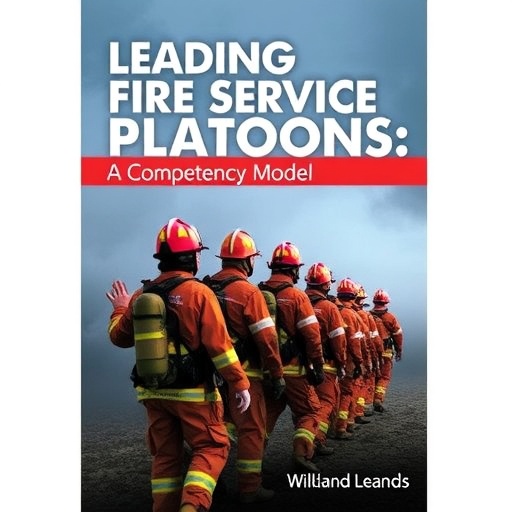
In the face of escalating natural disasters and increasingly complex emergency situations, the role of leadership within fire services is evolving at an unprecedented pace. A groundbreaking study published in the International Journal of Disaster Risk Science in 2025 introduces a pioneering competency model specifically tailored for platoon leaders in fire services. This model seeks to redefine the benchmarks of leadership effectiveness amid the turbulent and unpredictable environments firefighters encounter daily. The study offers a comprehensive framework that encapsulates the multifaceted skill sets essential for leading teams through immediate crises and the subsequent recovery phases.
Firefighting has long demanded exceptional courage and physical resilience, but the challenges of modern emergency response extend far beyond these traditional qualities. The newly formulated competency model highlights the necessity for platoon leaders to possess advanced decision-making capabilities rooted in situational awareness and rapid risk assessment. The research underscores that effective leadership in fire services integrates technical expertise with interpersonal skills, enabling leaders to manage both the tangible dangers of fire incidents and the intangible dynamics of team cohesion and morale.
At the heart of this innovative model lies a recognition that leadership competency must be adaptive to the context of disaster risk environments. The study identifies a spectrum of competencies covering operational, cognitive, and emotional domains, each critical to managing the high-pressure scenarios characteristic of fire emergencies. Platoon leaders must exhibit not only strategic foresight to anticipate unfolding hazards but also emotional intelligence to maintain team focus and resilience under extreme stress.
One of the most striking aspects of the research is its emphasis on the role of communication and information flow in effective leadership. As fire incidents often involve high stakes with rapidly changing variables, the ability to convey clear, concise commands and to interpret incoming data swiftly is paramount. The model elucidates how leaders who excel in maintaining situational transparency and facilitating team feedback loops can significantly improve outcomes, reducing casualties and property damage.
The competence framework also ventures into areas traditionally underexplored in emergency service leadership. It addresses the mental health and psychological well-being of both leaders and their teams, recognizing that sustained exposure to traumatic events can impair judgment and operational effectiveness. By integrating competency in resilience-building and psychological support strategies, the model advocates for leaders who are not only tactically competent but also emotionally supportive guides.
Technological integration forms another cornerstone of the competency model. In an era where fire services increasingly rely on sophisticated tools such as geographic information systems, drones, and real-time data analytics, platoon leaders must demonstrate proficiency in leveraging these resources to enhance situational understanding and operational control. The study delineates how mastery of technology enhances leadership capabilities by providing accurate, timely intelligence critical for informed decision-making.
Beyond incident response, the model encourages leaders to embrace a holistic leadership approach that includes pre-incident preparation and post-incident evaluation. This comprehensive leadership cycle fosters an environment of continuous learning and improvement, essential for adapting to the shifting landscape of disaster risks. Leaders adept in these areas can cultivate organizational cultures that prioritize safety, innovation, and resilience over rigid procedural adherence.
Interestingly, the research does not overlook the importance of cultural competence within fire service leadership. Given increasingly diverse communities and multicultural teams, platoon leaders must be adept at navigating and integrating diverse perspectives. The model articulates how inclusive leadership fosters trust and cooperation both within fire crews and in interactions with affected populations, thereby enhancing community resilience.
The competency model draws from an extensive analysis of existing leadership theories, integrating them with empirical data collected from field observations, interviews, and simulations across various fire service units. This rigorous, evidence-based approach lends credibility and practical applicability to the proposed framework, ensuring that it resonates with frontline firefighters and administrative leaders alike.
Moreover, the study outlines the implications of adopting this competency model for training programs and leadership development pathways within fire services. It proposes that curricula need to be recalibrated to emphasize experiential learning, scenario-based exercises, and mentorship focused on the identified competencies. Such educational reforms promise to produce leaders who are not only proficient in technical operations but are also adept at navigating the complexities of modern emergency management.
This new framework also aligns with broader trends in disaster risk reduction and emergency management, which prioritize integrated, multi-hazard approaches and community-centered strategies. By equipping platoon leaders with a multifaceted toolkit, the model contributes to enhancing the overall resilience of fire services, enabling them to operate effectively across the full spectrum of disaster phases—from preparedness to recovery.
While the research focuses primarily on fire services, its findings have implications that extend into other emergency response domains. The competencies identified—strategic foresight, effective communication, emotional resilience, technological adeptness, cultural sensitivity—are universally beneficial for leaders operating under pressure in volatile, uncertain environments.
The publication of this competency model marks a significant milestone in the professionalization and modernization of emergency service leadership. As climate change and urbanization continue to exacerbate disaster risks worldwide, such innovative frameworks become indispensable for safeguarding lives and property. The study serves as both a call to action and a blueprint for fire services aspiring to cultivate the leaders of tomorrow who are ready to navigate the ever-changing fireground landscapes with skill and humanity.
This initiative also highlights the importance of ongoing research and collaboration between academic institutions, emergency agencies, and policymakers to keep pace with emerging challenges. Continuous validation and refinement of the model through real-world applications and feedback will be crucial to ensure it remains relevant and impactful.
In conclusion, the competency model crafted by Fischer, Röseler, Bunk-Werner, and their colleagues represents a visionary step forward in shaping leadership that is not only reactive but proactive, adaptive, and deeply human-centric. It redefines what it means to lead through fire and beyond, constructing the foundation for fire service platoon leaders who can withstand the pressures of today and the uncertainties of tomorrow with unwavering competence and courage.
Subject of Research: Competency model development for platoon leaders in fire services.
Article Title: Leading Through the Fire and Beyond: A Competency Model for Platoon Leaders in Fire Services.
Article References:
Fischer, L., Röseler, S., Bunk-Werner, J. et al. Leading Through the Fire and Beyond: A Competency Model for Platoon Leaders in Fire Services. Int J Disaster Risk Sci (2025). https://doi.org/10.1007/s13753-025-00680-z
Image Credits: AI Generated
Tags: advanced risk assessment for firefighterscompetency model for emergency responderscrisis management in firefightingdisaster risk management strategiesemergency response leadership trainingevolving role of fire service leadersfire service leadership competenciesinterpersonal skills for fire leadersleadership effectiveness in fire servicesplatoon leader decision-making skillssituational awareness in fire serviceteam cohesion in firefighting