A retrospective cohort study published in BMC Endocrine Disorders investigated whether hypercalcaemic crisis represents a distinct clinical phenotype in primary hyperparathyroidism. The study investigated whether hypercalcaemic crisis represents a distinct phenotype shaped by the interaction between host vulnerability and tumour biology. The study included 31 patients who experienced hypercalcaemic crisis and 369 patients with primary hyperparathyroidism who did not experience a crisis. The patient cohort covered the period between September 2023 and May 2025.
Hypercalcaemic crisis was strictly defined in the study as an albumin-corrected serum calcium level of 14 mg/dL or higher, accompanied by an emergency department presentation. The researchers measured pre-crisis calcium levels as the last value recorded before the crisis occurred, allowing for a comparison of baseline biochemical states between the two groups.
The median duration of primary hyperparathyroidism before hypercalcaemic crisis was 64 months. Interestingly, the baseline parathyroid hormone levels were similar between the crisis group and the non-crisis group, with medians of 122 ng/L and 127 ng/L respectively. However, pre-crisis calcium levels were lower in the hypercalcaemic crisis group compared to the non-crisis group (10.6 vs. 11.2 mg/dL, p < 0.001).
Demographic and clinical differences were evident between the two groups. Patients who experienced hypercalcaemic crisis were older and more frequently male than those who did not. Additionally, the crisis group had lower body mass index values (p < 0.05).
The burden of comorbidities was significantly higher in the hypercalcaemic crisis group. Hypertension was present in 90.3% of crisis patients compared to 68.0% in the non-crisis group, while coronary artery disease affected 51.6% of the crisis group versus 27.9% of the non-crisis group. Renal impairment, defined as an estimated glomerular filtration rate below 60 mL/min, was observed in 48.4% of crisis patients compared to only 13.0% in the non-crisis group.
Bone health indicators also differed significantly between the groups. Femoral osteoporosis was more prevalent in the crisis group, affecting 35.5% of patients compared to 18.2% in the non-crisis group. Lumbar osteoporosis was observed in 54.8% of crisis patients versus 30.4% in the non-crisis group. Furthermore, vertebral compression fractures were significantly more common in the crisis group, with a prevalence of 9.7% compared to 0.3% in the non-crisis group.
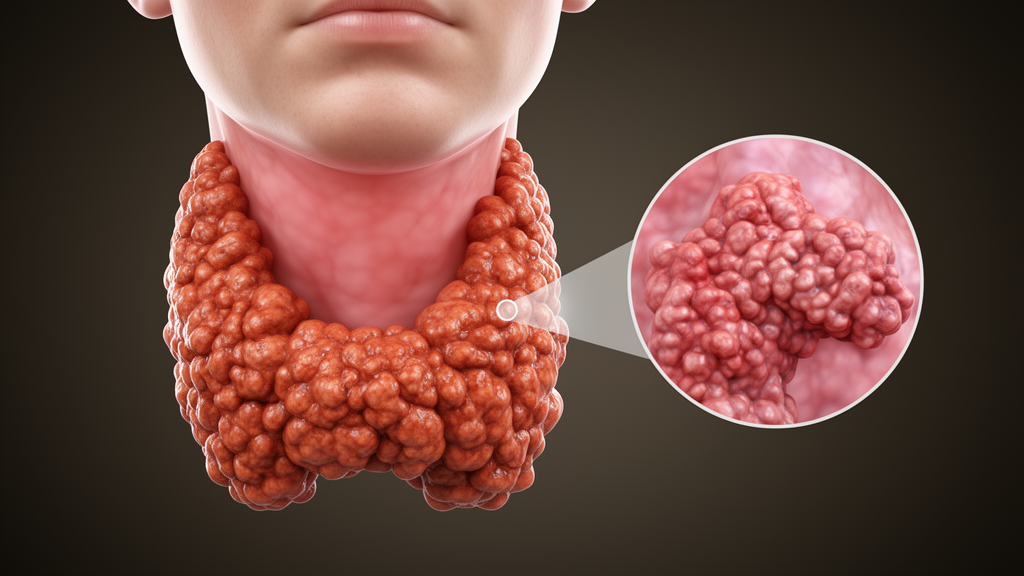
Parathyroid lesion size emerged as a key differentiator between the two groups. Lesions in the hypercalcaemic crisis group were significantly larger, with a median diameter of 18 mm compared to 12 mm in the non-crisis group. Binary logistic regression analysis identified lesion diameter as an independent predictor of hypercalcaemic crisis. Receiver operating characteristic analysis determined a cut-off diameter of 11.5 mm, which demonstrated a high sensitivity of 96.8% but a lower specificity of 45.8%.
The authors concluded that larger parathyroid lesions are associated with hypercalcaemic crisis, particularly in the context of a greater burden of cardiovascular and renal disease. However, they noted that the limited specificity of the 11.5-mm cut-off restricts its utility for routine risk assessment. The authors noted that the findings warrant independent validation.
Subject of Research: Clinical predictors of hypercalcaemic crisis in primary hyperparathyroidism
Article Title: Biochemical similarity but different clinical impact: could hypercalcemic crisis indicate different primary hyperparathyroidism phenotypes?
Article References: Ertek, E., Güneş, E., Güneş, M., Garip, G., Koç, H., Kocaman, G., Tufanoğlu, F. H., & Oral, B. (2026). Biochemical similarity but different clinical impact: could hypercalcemic crisis indicate different primary hyperparathyroidism phenotypes?. BMC Endocrine Disorders. https://doi.org/10.1186/s12902-026-02706-z
Image Credits: AI Generated
DOI: 10.1186/s12902-026-02706-z
Keywords: primary hyperparathyroidism, hypercalcemic crisis, parathyroid lesion, retrospective cohort, endocrine disorders, calcium homeostasis, comorbidity burden, clinical phenotype, Biochemical, similarity, different, clinical
News Source: Ophelia Keating. (November 10, 2026). Larger Parathyroid Lesions Linked to Hypercalcemic Crisis in Study. Scienmag.