In an increasingly competitive field of livestock genetics and metabolic research, scientists have made remarkable strides in unraveling the complex biological processes that regulate fat deposition in animals. A recent study led by an esteemed research team, including key authors Chen, T., Zhou, J., and Li, M., provides an intriguing insight into the epigenetic landscape influencing intramuscular fat deposition specifically in Xidu black pigs. The integration of advanced proteomic techniques with a focus on lactylation modifications presents a groundbreaking perspective on how these molecular processes can impact agricultural practices and improve meat quality.
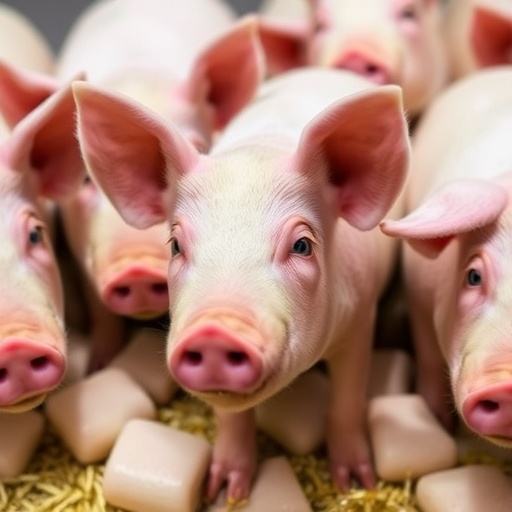
Intramuscular fat is a critical aspect of livestock quality, often serving as a primary determinant of meat tenderness, flavor, and overall consumer preference. The Xidu black pig, a breed characterized by its superior meat quality and unique flavor profile, has attracted the attention of researchers eager to enhance its breeding and rearing techniques. A thorough understanding of the molecular mechanisms behind fat deposition not only has implications for genetic selection but also for nutritional management and health assessment in livestock.
Lactylation, a novel post-translational modification that involves the addition of lactate to proteins, has recently emerged as a potential regulator of protein function and cell signaling. Evidence suggests that lactylation can influence various biological processes, including metabolism, gene expression, and stress responses. The study in question focuses on the potential role of lactylation in the intramuscular fat deposition of Xidu black pigs, shedding light on how this modification could be utilized to enhance desirable traits in meat production.
Employing a comprehensive proteomic analysis alongside lactylation profiling, the researchers employed mass spectrometry to detect and quantify lactylated proteins within muscle tissues of Xidu black pigs. The results revealed significant differences in the lactylation landscape between muscle tissues from different pigs, suggesting that individual genetic backgrounds may influence the degree and functionality of this modification. This underlines the potential for selective breeding strategies that take into account not just the physical attributes of the pigs but also their molecular makeup.
One particularly fascinating finding from the study indicates that lactylation may affect critical metabolic pathways involved in fatty acid synthesis and degradation. By regulating enzymes within these pathways, the modified proteins potentially control the balance of fat storage versus fat utilization. This forms a crucial nexus between nutritional physiology and genetic regulation, presenting further avenues for breeding more efficient livestock that not only gain weight faster but do so with a healthier fat profile.
Moreover, the researchers highlighted the interaction between lactylation and traditional epigenetic mechanisms such as DNA methylation and histone modifications. The relationship between these layers of regulation paints a more intricate picture of how gene expression is managed in response to environmental and physiological cues. Understanding these connections may revolutionize how scientists approach gene editing technologies and selective breeding practices in livestock.
Beyond its applicative relevance to livestock management, this study contributes to the broader scientific understanding of lactylation as a modulator of cellular functions. While research in this area is still considered nascent, it opens a plethora of questions regarding its implications in human health and disease, particularly metabolic disorders related to fat metabolism.
The implications of this research extend beyond the confines of the laboratory. With the growing emphasis on sustainable agricultural practices and meat production, the ability to manipulate fat deposition through genetic means provides a viable pathway toward more efficient farming strategies. In an era where livestock raising often involves significant ecological footprints, targeting the molecular factors behind fat deposition may offer substantial improvements in feed efficiency, ultimately leading to reduced greenhouse gas emissions.
The collaboration among researchers in this study exemplifies the interdisciplinary nature of modern genetic research. Bringing together experts from fields such as molecular biology, proteomics, and animal husbandry allows for more robust insights into the multifaceted nature of livestock breeding. This synergy not only enhances our understanding of lactylation and fat metabolism but also encourages the diffusion of knowledge across scientific realms, fostering innovations that stand to benefit both industry and academia alike.
As researchers continue to explore the complex roles of post-translational modifications in livestock, there’s a promising horizon for translating basic scientific discoveries into practical applications. By focusing on lactylation’s role in intramuscular fat deposition, the findings from this integrated analysis could effectively inform livestock management practices, breeding decisions, and competitive strategies within the agricultural industry.
In conclusion, the comprehensive study led by Chen, T., Zhou, J., and Li, M. has opened new avenues of inquiry into the metabolic and epigenetic regulation of intramuscular fat in Xidu black pigs through lactylation modifications. As this field of research continues to unfold, it is likely that future studies will elaborate on these findings, revealing ever more sophisticated strategies for enhancing livestock quality and sustainability.
As we stand on the cusp of a potential revolution in agricultural science, this work underscores the importance of integrating various lines of inquiry to better understand the biological mechanisms underlying livestock production. The journey to optimize meat quality while addressing environmental sustainability requires the concerted efforts of the scientific community, and studies such as this are the cornerstones upon which future advancements can be built.
Subject of Research:
Intramuscular fat deposition and its genetic and epigenetic regulation in Xidu black pigs through lactylation modifications.
Article Title:
Integrated analysis of lactylation modification and proteomics revealed potential epigenetic regulation in intramuscular fat deposition of Xidu black pigs.
Article References:
Chen, T., Zhou, J., Li, M. et al. Integrated analysis of lactylation modification and proteomics revealed potential epigenetic regulation in intramuscular fat deposition of Xidu black pigs.
BMC Genomics (2025). https://doi.org/10.1186/s12864-025-12428-6
Image Credits:
AI Generated
DOI:
Keywords:
Lactylation, Proteomics, Intramuscular Fat, Xidu Black Pigs, Epigenetic Regulation, Livestock Genetics.
Tags: advanced proteomic techniques in agricultureconsumer preferences for meat qualityepigenetic regulation of fat storagefat deposition mechanisms in livestockintramuscular fat deposition in pigslactylation in livestocklivestock breeding and rearing techniquesmeat quality improvement strategiesmolecular biology in livestock researchnutritional management in livestockpost-translational modifications in animal scienceXidu black pig genetics