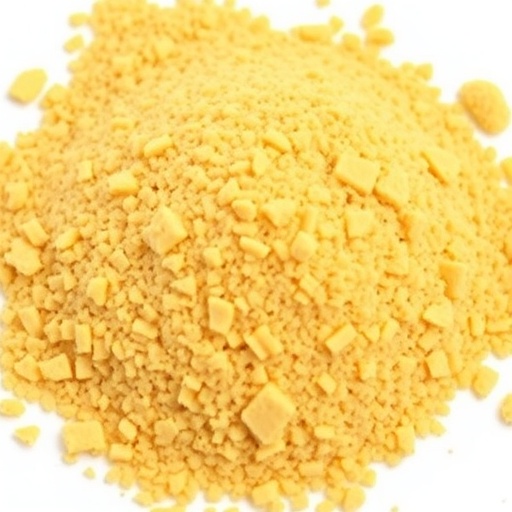
In the ever-evolving landscape of food science and nutrition, the quest for novel and sustainable food ingredients has become paramount. One such ingredient attracting considerable attention is Kodo millet (Paspalum scrobiculatum), a resilient and nutrient-rich cereal traditionally cultivated across various parts of Asia and Africa. Recent research spearheaded by Saraswat, Mahajan, and Bera has delivered groundbreaking insights into the intrinsic properties of Kodo millet starch—both in its native state and after undergoing physical modification. This comprehensive study, published in Food Science and Biotechnology in early 2026, delves deep into the structural, functional, and textural characteristics of this underexplored starch source while illuminating its digestibility in vitro. The results herald significant implications for the utilization of Kodo millet starch in the food industry, particularly as a functional ingredient tailored for health-conscious consumers.
Delving into the structural nuances of Kodo millet starch, the research team employed advanced analytical techniques to unravel the architecture of native starch granules. Kodo millet starch exhibits a distinctive granule morphology and crystalline arrangement, factors closely linked to its functionality in food systems. The crystalline pattern, which influences gelatinization and retrogradation behavior, was meticulously characterized. This affords a granular understanding of how physical modification—a process entailing mechanical and thermal treatments—alters the molecular organization within starch granules. The study’s analytical rigor provides a valuable foundation for interpreting subsequent changes in starch behavior post-modification, spotlighting the molecular resilience or vulnerability of Kodo millet starch to physical interventions.
Functional attributes of starch, such as swelling power, solubility, and pasting behavior, dictate its performance during food processing and directly affect the sensory qualities of the final product. In the context of this study, physical modification induced marked shifts in these parameters. The native starch demonstrated baseline levels in swelling power and paste viscosity, essential for applications demanding controlled thickening or gel formation. Post-modification, an intriguing enhancement in solubility and altered pasting profiles were observed. This modulation of functional properties not only broadens the spectrum of potential applications for Kodo millet starch but also paves the way for its integration into novel food formulations requiring tailored textural and rheological properties.
Texture is a critical sensory attribute that shapes consumer acceptance and overall eating experience. By leveraging sophisticated texture profile analysis, the study dissected the impact of physical modifications on starch gel formation and stability. Notably, gels derived from physically modified Kodo millet starch showed a more cohesive and resilient texture compared to their native counterparts. Modifications yielded a starch matrix with augmented firmness and lower syneresis—attributes highly desirable in products like sauces, puddings, and bakery items. Furthermore, these textural enhancements were attributable to structural rearrangements within the starch granules, evidencing a direct link between microstructural alteration and macroscopic textural quality.
One of the most compelling aspects of this research lies in the examination of in vitro digestibility—a critical factor in nutrition science with profound implications for managing glycemic response and metabolic health. The digestibility assays revealed that physically modified starch displayed a distinctive digestion kinetics compared to native starch. Specifically, modification yielded starch variants with slower enzymatic degradation rates, indicating a potential to act as a low glycemic index carbohydrate. This property holds immense promise for developing health-oriented food products targeted at diabetic individuals or those seeking to regulate postprandial blood glucose levels. By modulating starch digestibility through physical means, the study presents a naturalistic approach to crafting functional foods aligned with modern dietary needs.
The significance of this research extends beyond fundamental starch science, casting a spotlight on Kodo millet as a sustainable and nutritionally relevant crop. Millennia-old cultivation traditions are being reinterpreted through the lens of cutting-edge food science, positioning Kodo millet not just as a humble source of calories but as a versatile ingredient with techno-functional benefits. This aligns with global efforts to diversify food sources, reduce reliance on staple cereals like wheat and maize, and promote climate-resilient agricultural practices. Moreover, the physical modification techniques employed are eco-friendly, presenting an attractive alternative to chemical modifications that often bear environmental and health concerns.
In terms of practical applications, the modified Kodo millet starch exhibits promising potential for inclusion in gluten-free formulations, where starches play a pivotal role in mimicking the viscoelastic properties of gluten. These findings could revolutionize bakery products designed for celiac disease sufferers and gluten-sensitive populations, enhancing texture and shelf life without reliance on synthetic additives. Additionally, the starch’s improved gel stability and water-holding capacity suggest utility in meat analogues and dairy-free desserts, responding to surging consumer demands for plant-based and allergen-friendly options.
From an industrial perspective, the adaptability of physical modification processes offers a scalable and cost-effective pathway to customize starch properties in line with specific product development goals. The ability to fine-tune starch digestibility and textural attributes by manipulating physical parameters—temperature, pressure, mechanical shearing—introduces unprecedented flexibility for food technologists. This empowers manufacturers to design ingredients that meet exacting specifications, facilitating innovation cycles and product differentiation in a crowded market.
The implications for public health and nutrition are equally profound. As modern diets increasingly emphasize complex carbohydrates and dietary fibers, the potential of Kodo millet starch as a functional food ingredient aligns well with these nutritional trends. By reducing the glycemic impact and contributing to satiety via slow digestion, modified Kodo millet starch can play a role in managing obesity, type 2 diabetes, and cardiovascular diseases. The integration of such ingredients into commonplace food items could usher in a new era of preventive nutrition, marrying traditional crops with contemporary health imperatives.
Beyond starch functionality, the study opens avenues for exploring the bioactive phytochemicals inherently present in Kodo millet. Future research building on this foundational work may investigate synergistic effects between modified starch and millet polyphenols or dietary fibers, amplifying the health-promoting attributes of millet-based foods. The potential development of tailored functional ingredients combining multiple health benefits could significantly impact nutritional strategies worldwide.
It is also worth noting the methodological sophistication underpinning this investigation. The multi-dimensional characterization employing techniques such as X-ray diffraction for crystallinity, rheological assessments for functional behavior, and texture profile analysis for physical attributes illustrates the comprehensive approach adopted by the researchers. This offers a valuable template for similar studies targeting other underutilized starch sources, encouraging systematic exploration of plant-based starches in diverse agroecological contexts.
The ecological advantages of promoting Kodo millet cultivation, coupled with the versatile utility of its starch, resonate with global sustainability goals aimed at reducing carbon footprints and enhancing food system resilience. By valorizing an ancient grain through modern scientific innovation, this research bridges tradition and technology, creating new pathways toward food security and environmental stewardship. The encouraging results serve as a clarion call to policymakers, industry leaders, and researchers to invest in millet-based value chains.
In conclusion, the comparative evaluation of native and physically modified Kodo millet starch encapsulates a remarkable convergence of food science, nutrition, and sustainability. The study not only elucidates fundamental starch characteristics but also positions Kodo millet as a multifunctional ingredient primed for the future of functional food innovation. As global food systems grapple with challenges of health, sustainability, and consumer diversity, such pioneering research exemplifies the transformative potential of combining traditional crops with modern technology to deliver healthier, tastier, and more sustainable food options.
Subject of Research: Structural, functional, textural characterization, and in vitro digestibility of native and physically modified Kodo millet (Paspalum scrobiculatum) starch.
Article Title: Comparative evaluation of structural, functional, textural characterization, and in vitro digestibility of native and physically modified Kodo millet (Paspalum scrobiculatum) starch.
Article References:
Saraswat, S., Mahajan, P. & Bera, M.B. Comparative evaluation of structural, functional, textural characterization, and in vitro digestibility of native and physically modified Kodo millet (Paspalum scrobiculatum) starch. Food Sci Biotechnol (2026). https://doi.org/10.1007/s10068-026-02094-z
Image Credits: AI Generated
DOI: 24 January 2026