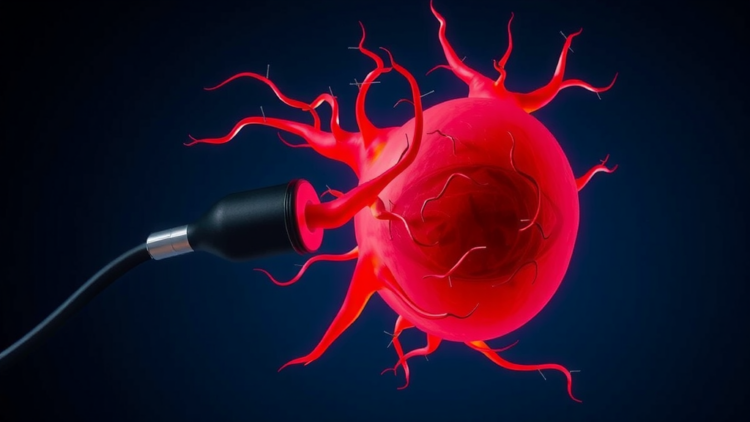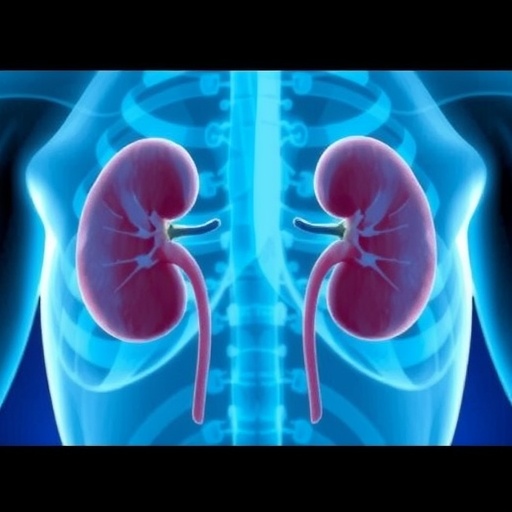
A groundbreaking study conducted by researchers at the University Hospital Bonn and the University of Bonn reveals a molecular mechanism behind fatal nephritis driven by a mutant immune receptor and a small, naturally occurring RNA molecule. In collaboration with international partners including Nanyang Technological University Singapore and the University Hospital Würzburg, this landmark research elucidates how a point mutation in the immune receptor RIG-I converts the body’s immune defense into a destructive force, causing severe, organ-specific autoimmune disease. The full findings appear in the latest issue of Science Immunology.
RIG-I is a crucial sensor of the innate immune system tasked with detecting RNA from viruses. Upon recognition, it instigates antiviral defenses by activating signaling pathways that produce interferons and pro-inflammatory molecules. However, certain genetic mutations can render RIG-I hypersensitive. This heightened state causes the receptor to misidentify endogenous — or self-derived — RNA as foreign viral material, inadvertently triggering self-targeting immune responses. The study focuses on a particular mutation, RIG-I E373A, which was found to provoke spontaneous lupus-like nephritis in mutant mice models.
Distinct from traditional lupus mechanisms — which primarily involve immune complex deposition — the nephritis observed in these mutant mice is driven by direct inflammation within the kidney triggered by the aberrant activation of this mutant RIG-I receptor. This local hyperactivation leads to an aggressive, self-inflicted immune attack on renal tissue, ultimately resulting in fatal kidney damage. By dissecting the molecular underpinnings, the researchers uncovered a previously hidden, tissue-specific driver of this autoimmune pathology.
Key to the discovery is the identification of a small non-coding RNA species, known as Y-RNA, highly expressed in kidney tissue. Y-RNA was demonstrated to bind selectively and abnormally to the mutant RIG-I receptor, acting essentially as a “false alarm.” This aberrant interaction activates the mutated receptor in the absence of viral infection, triggering a pathological immune signaling cascade. According to Prof. Hiroki Kato, the lead investigator, “Y-RNA serves as a rogue molecular activator for mutated RIG-I specifically in kidney cells, instigating a localized autoimmune response.”
The team employed advanced molecular and structural biology techniques to elucidate the precise binding dynamics between RIG-I E373A and Y-RNA. This receptor mutation alters the RNA recognition domain, enabling an unusual mode of binding that bypasses normal regulatory checkpoints. This defective sensing prompts the RIG-I receptor to signal incessantly, causing kidney cells to release large amounts of interferons and chemokines. These pro-inflammatory factors attract immune cells, particularly monocytes, which infiltrate the kidney and exacerbate tissue inflammation.
Importantly, the researchers also identified potential therapeutic avenues. Blocking the CCR2 signaling pathway, which mediates monocyte recruitment, significantly alleviated renal inflammation in the mutant mice. This raises hope for targeted interventions that could mitigate organ-damaging autoimmune cascades by interrupting downstream inflammatory cell trafficking.
Mutations in RIG-I have previously been implicated in rare inherited diseases like Singleton-Merten syndrome and systemic lupus erythematosus. This study sheds light on how these genetic aberrations result in selective organ damage by unveiling tissue-specific molecular interactions. The findings open the door to novel pharmacological strategies aimed at preventing or reversing immune receptor hyperactivation, potentially revolutionizing treatment paradigms for these devastating autoimmune diseases.
Given the severity and fatal outcomes associated with lupus nephritis and related immune disorders, understanding the mechanistic link between mutant RIG-I activation and renal pathology is a scientific breakthrough of immense clinical significance. This research not only deepens fundamental insight into immune dysregulation but also provides a compelling rationale for developing specific antagonists against aberrant RNA-receptor interactions in autoimmune settings.
The interdisciplinary and multinational collaboration underscores the importance of combining expertise in immunology, molecular biology, and structural analysis to unravel complex disease mechanisms. By spotlighting the role of non-coding RNA and immune sensor mutations, this study exemplifies the frontiers of precision medicine approaches to autoimmune nephritis and beyond.
Looking forward, future research will aim to explore the broader applicability of these discoveries across other tissues afflicted by autoimmune damage caused by mutant RNA sensors. It also sets the stage for clinical trials focused on therapeutic blockade of the Y-RNA-RIG-I interaction axis or CCR2-dependent immune cell infiltration in affected patients.
As autoimmune diseases continue to impose enormous burdens worldwide, this seminal work marks a significant stride toward transforming molecular insights into tangible medical therapies that can save lives and improve the quality of life for countless individuals afflicted by kidney inflammation and systemic autoimmunity.
Subject of Research: Molecular mechanisms underlying fatal nephritis caused by mutant RIG-I activation through kidney-specific Y-RNA interaction.
Article Title: Local activation of mutant RIG-I by short non-coding Y-RNA in the kidney triggers lethal nephritis
News Publication Date: 31-Oct-2025
Web References: 10.1126/sciimmunol.adx1135
Image Credits: University Hospital Bonn (UKB)
Keywords: RIG-I, nephritis, lupus, Y-RNA, autoimmune disease, innate immune receptor, interferon signaling, CCR2 pathway, monocyte recruitment, kidney inflammation, autoimmune nephritis, RNA sensor mutation.
Tags: antiviral defense pathwaysautoimmune nephritis studygenetic mutations in immune responseinflammatory responses in kidneysinnate immune system mechanismskidney disease researchlupus-like symptoms in micemolecular mechanisms of nephritisorgan-specific autoimmune diseasesRIG-I immune receptor mutationRNA molecule role in immunityScience Immunology findings