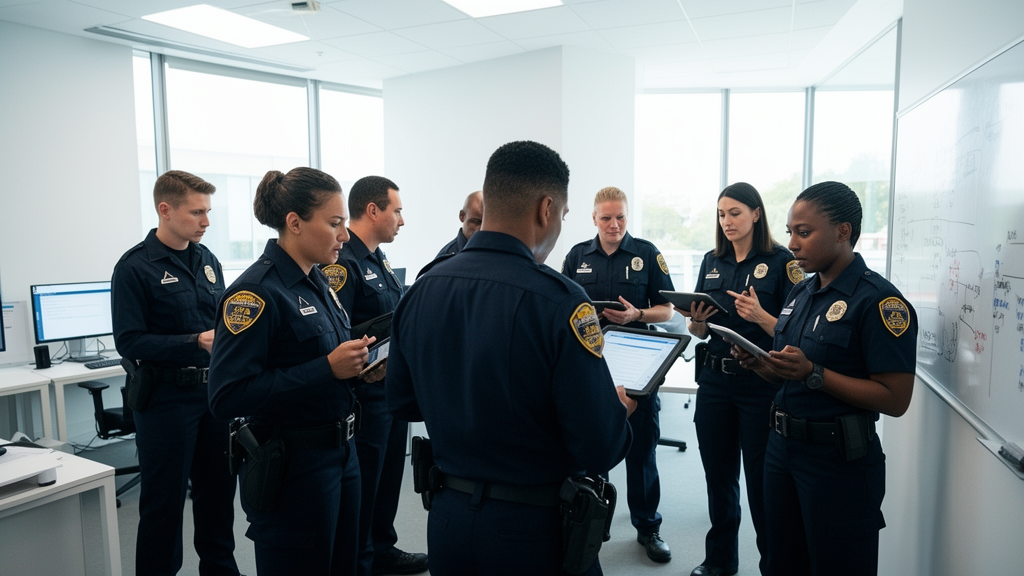
A qualitative investigation evaluating mobile crisis team implementation across Kentucky has identified major operational barriers centered on workforce shortages, service access, and interagency collaboration. The use of mobile crisis teams to address acute behavioral health crises has established important positive benefits for individuals experiencing crisis episodes as well as for regional healthcare systems. However, establishing these community-based intervention models continues to present substantial practical hurdles for regional service providers and coordinating administrative bodies across the state.
Recent opportunities to establish and expand these crisis intervention services emerged through dedicated federal funding mechanisms. Medicaid expansion grants distributed as part of the American Rescue Plan provided numerous states and local agencies with resources to broaden mobile crisis response capacity. Despite this federal grant support, agency approaches and implementation timelines differed widely both within individual states and across state boundaries, creating varied operational conditions for emerging community crisis teams.
To investigate how service providers perceive these implementation challenges, researchers utilized a multi-site qualitative research design focusing on both urban and rural regions of Kentucky. The study gathered qualitative data through semi-structured interviews and focus groups involving a total sample of sixty participants. This sample comprised individuals in administrative and leadership positions across four community mental health centers charged with coordinating regional initiatives, alongside key stakeholders from first response organizations and local government agencies.
Workforce shortages emerged as a primary implementation barrier confronting the participating mental health centers and partner agencies. Administrators and leaders reported substantial difficulties regarding the recruitment and long-term retention of qualified personnel required to sustain community mobile crisis intervention efforts. Based on these findings, the researchers suggest that diversifying staffing compositions could help offset persistent workforce shortages and support the operational demands of community-based behavioral health teams.
Access to services and physical reach presented another major operational hurdle identified during the qualitative assessment. Teams encountered ongoing challenges with accessing individuals in need across diverse urban and rural operational environments. To address operational difficulties and protect team members in community environments, the study findings suggest that developing structured partnerships with local first response agencies can provide personnel with enhanced feelings of safety during mobile deployments.
A widespread lack of collaboration and the siloing of efforts between distinct organizations further impeded mobile crisis team implementation. Coordinating mental health centers, first response entities, and municipal bodies frequently operated in isolation rather than through integrated networks. The study authors conclude that these qualitative findings can help inform targeted, context-specific investments in community crisis response systems for other jurisdictions seeking to establish or expand mobile behavioral health teams.
Subject of Research: Implementation barriers to mobile crisis teams in Kentucky
Article Title: “Everyone’s Just Trying to Figure it Out”: Identification of Barriers to Mobile Crisis Team Implementation Throughout Kentucky
Article References: Kearney, A., Schaefer, B. P., Roberson, P., Jones, G., Edwards, E., Decker, H., Choate, S., & Johnson, D. (2026). “Everyone’s Just Trying to Figure it Out”: Identification of Barriers to Mobile Crisis Team Implementation Throughout Kentucky. Community Mental Health Journal. https://doi.org/10.1007/s10597-026-01752-0
Image Credits: AI Generated
DOI: 10.1007/s10597-026-01752-0
Keywords: mobile crisis teams, Kentucky, behavioral health crises, community mental health centers, workforce shortages, service access, interagency collaboration, Medicaid expansion grants, American Rescue Plan, qualitative research, first response organizations, crisis intervention services, staff recruitment, staff retention, rural health services, urban health services, semi-structured interviews
News Source: Glenn Wilkins. (November 16, 2026). Kentucky Study Identifies Workforce and Collaboration Barriers in Mobile Crisis Teams. Scienmag.