• HOME
  • NEWS
  • EXPLORE
    • CAREER
      • Companies
      • Jobs
    • EVENTS
    • iGEM
      • News
      • Team
    • PHOTOS
    • VIDEO
    • WIKI
  • BLOG
  • COMMUNITY
    • FACEBOOK
    • INSTAGRAM
    • TWITTER
Friday, March 27, 2026
BIOENGINEER.ORG
No Result
View All Result
  • Login
  • HOME
  • NEWS
  • EXPLORE
    • CAREER
      • Companies
      • Jobs
        • Lecturer
        • PhD Studentship
        • Postdoc
        • Research Assistant
    • EVENTS
    • iGEM
      • News
      • Team
    • PHOTOS
    • VIDEO
    • WIKI
  • BLOG
  • COMMUNITY
    • FACEBOOK
    • INSTAGRAM
    • TWITTER
  • HOME
  • NEWS
  • EXPLORE
    • CAREER
      • Companies
      • Jobs
        • Lecturer
        • PhD Studentship
        • Postdoc
        • Research Assistant
    • EVENTS
    • iGEM
      • News
      • Team
    • PHOTOS
    • VIDEO
    • WIKI
  • BLOG
  • COMMUNITY
    • FACEBOOK
    • INSTAGRAM
    • TWITTER
No Result
View All Result
Bioengineer.org
No Result
View All Result
Home Headlines

Joslin researcher will work in MoTrPAC to map molecular changes from…

Bioengineer.org by Bioengineer.org
January 19, 2018
in Headlines, Health, Science News
Reading Time: 2 mins read
0
Share on FacebookShare on TwitterShare on LinkedinShare on RedditShare on Telegram
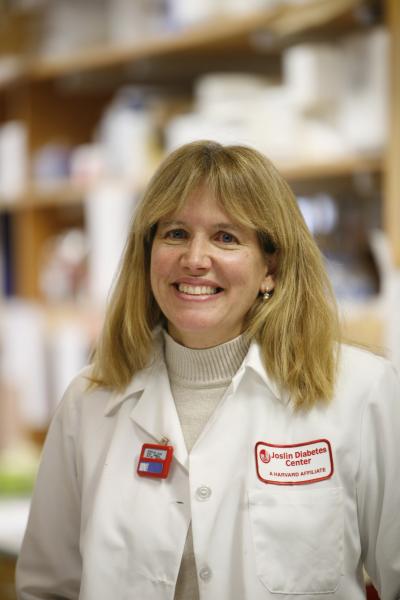
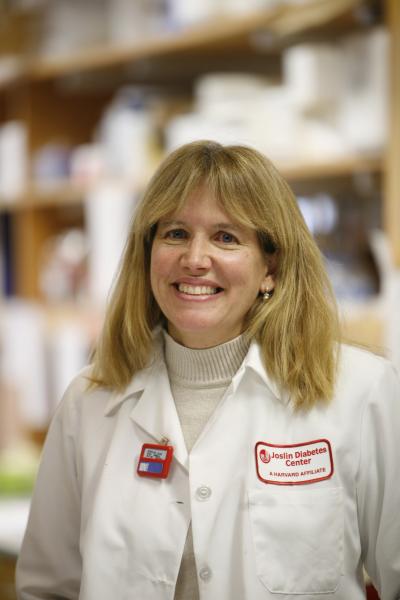
IMAGE

Credit: John Soares

Laurie J. Goodyear Ph.D., Senior Investigator and co-Head of the Section on Integrative Physiology and Metabolism at the Joslin Diabetes Center, and Associate Professor of Medicine at Harvard Medical School, has received one of the first awards for the Molecular Transducers of Physical Activity in Humans Consortium (MoTrPac) set up by the National Institutes of Health (NIH) to develop a comprehensive map of the molecular changes that occur in the body in response to physical activity.

"We know that exercise is probably the most important preventive "medicine" there is. Exercise benefits overall health, particularly for people with chronic diseases, like diabetes," Dr. Goodyear points out. "But we don't fully understand how those health benefits arise. If we can determine the changes that occur in the body during exercise on a molecular level, we could develop individually targeted exercise recommendations and also help people who are not able to exercise due to mobility issues."

According to a statement from the NIH, nineteen MoTrPac grants will support researchers across the country to collect samples for analysis from people of different races, ethnic groups, sex, ages, and fitness levels. Because exercise affects organs and tissues that are difficult or dangerous to sample in living patients (such as the brain, lungs and kidneys) the consortium will include animal models to provide data on changes in these tissues.

Dr. Goodyear's lab at Joslin, which is devoted to discovering the underlying molecular mechanisms by which exercise improves overall health, with particular emphasis on metabolic health, will study animal models in parallel with the clinical trials. Dr. Sarah Lessard, Assistant Investigator in the Section on Clinical, Behavioral & Outcomes Research at Joslin and Instructor of Medicine at Harvard Medical School will be a co-Investigator on the project with Dr. Goodyear.

According to George King, M.D., Director of Research at Joslin, "We expect the MoTrPac study to provide valuable insights into ways in which clinicians and researchers can harness these molecular changes to benefit patients and help to treat many disease such as type 1 and 2 diabetes."

###

Media Contact

Jeffrey L. Bright
[email protected]
508-653-6433

http://www.joslin.org

Share12Tweet8Share2ShareShareShare2

Related Posts

Starburst Winds Drain Supernova Energy Quickly

Starburst Winds Drain Supernova Energy Quickly

March 26, 2026
Decoding the Phosphorus Puzzle: How Microplastics and Hydrochar Transform Nutrient Dynamics in Rice Paddies

Decoding the Phosphorus Puzzle: How Microplastics and Hydrochar Transform Nutrient Dynamics in Rice Paddies

March 26, 2026

Microtubules Found to Actively Ensure Accurate Chromosome Distribution During Cell Division

March 25, 2026

Aversive Learning Hijacks Brain Sugar Sensor

March 25, 2026
Please login to join discussion

POPULAR NEWS

  • blank

    Revolutionary AI Model Enhances Precision in Detecting Food Contamination

    96 shares
    Share 38 Tweet 24
  • Imagine a Social Media Feed That Challenges Your Views Instead of Reinforcing Them

    1003 shares
    Share 397 Tweet 248
  • Uncovering Functions of Cavernous Malformation Proteins in Organoids

    54 shares
    Share 22 Tweet 14
  • Promising Outcomes from First Clinical Trials of Gene Regulation in Epilepsy

    51 shares
    Share 20 Tweet 13

About

We bring you the latest biotechnology news from best research centers and universities around the world. Check our website.

Follow us

Recent News

In-Sensor Cryptography Links Physical Process to Digital Identity

Can Psychosocial Factors Influence Cancer Risk?

Depression Factors in Elderly: Pre vs. Post-COVID Analysis

Subscribe to Blog via Email

Enter your email address to subscribe to this blog and receive notifications of new posts by email.

Join 78 other subscribers
  • Contact Us

Bioengineer.org © Copyright 2023 All Rights Reserved.

Welcome Back!

Login to your account below

Forgotten Password?

Retrieve your password

Please enter your username or email address to reset your password.

Log In
No Result
View All Result
  • Homepages
    • Home Page 1
    • Home Page 2
  • News
  • National
  • Business
  • Health
  • Lifestyle
  • Science

Bioengineer.org © Copyright 2023 All Rights Reserved.